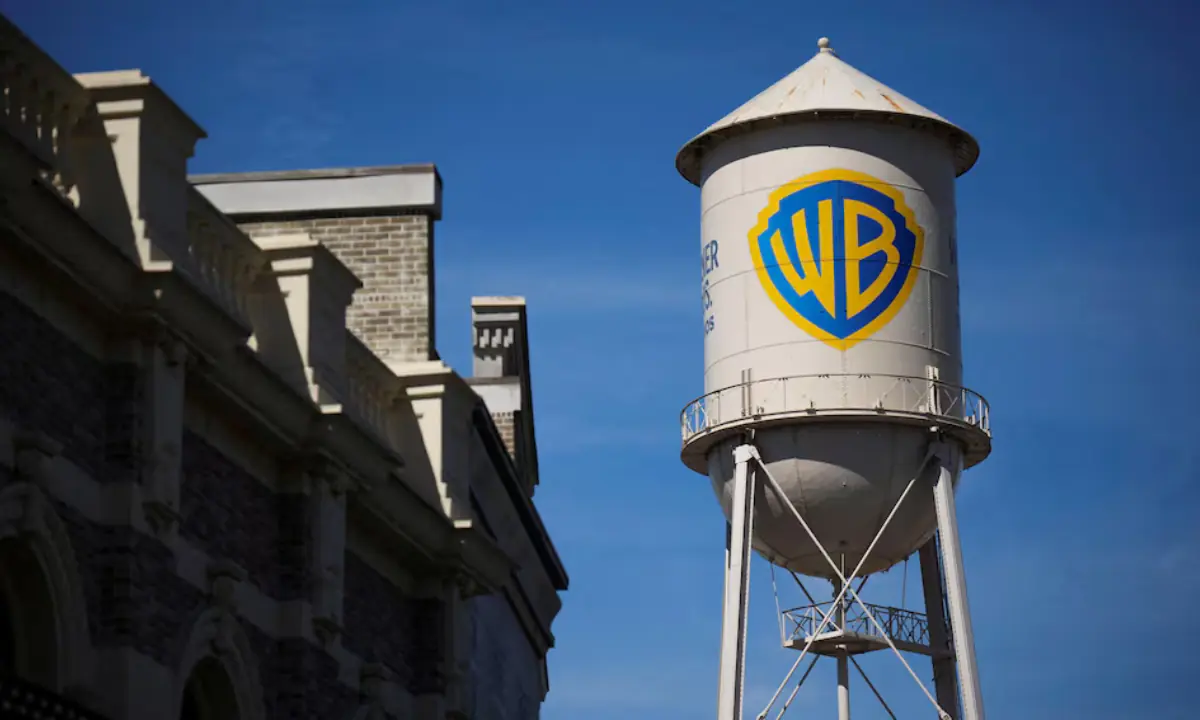
The Paramount Warner Bros merger approval marks a pivotal moment for the entertainment industry, after the Justice Department cleared Paramount Skydance’s roughly $110 billion acquisition of Warner Bros. Discovery following an eight-month antitrust review. Federal regulators concluded the deal is not likely to harm competition or American consumers, removing the single largest obstacle in its path, though the fight is far from over.
A Clean Bill of Health From the DOJ
On Friday, the Justice Department announced it had closed its antitrust investigation into the proposed acquisition, signing off without requiring any divestitures, behavioral remedies, or concessions. That outcome amounts to one of the most clear-cut approvals a deal of this scale could receive.
The Antitrust Division said its review was exhaustive, examining more than two million documents. Far from finding harm, the department concluded the deal could actually strengthen competition across several corners of the media and entertainment industry, including streaming video, traditional television, and theatrical film distribution.
In its determination, the DOJ stated that the extensive investigatory record suggested the transaction would increase competition across the media and entertainment ecosystem, delivering benefits for American consumers and workers. The department also pointed to robust existing competition in the industry, which it said had generated greater output and a wider diversity of film offerings.
Why Regulators Weren’t Worried
A central question in any media mega-merger is whether the combined company would gain too much power. The DOJ concluded it would not.
The department found that the merged entity would continue facing formidable competition from larger streaming rivals, and saw no evidence the deal would reduce consumer choice. The reasoning rested on a few key points:
- The combined company would still compete against giants like Netflix, Amazon, and Disney.
- Paramount and Warner Bros. were not found to be especially close competitors relative to other major studios.
- The merged firm was deemed unlikely to gain enough control over content to shut rivals out.
Interestingly, the DOJ also revealed that it had reviewed a separate proposal involving Netflix before Paramount ultimately struck its definitive agreement with Warner Bros. Discovery. Evaluating both bids, the department said, gave investigators competing perspectives on where the media industry is headed.
What the Combined Company Would Look Like
The stakes of the deal are enormous. The transaction would unite two of Hollywood’s most storied studios, carrying an enterprise value estimated at roughly $110 to $111 billion.
The resulting company would command a formidable portfolio, including HBO, Paramount+, CNN, CBS, and a vast content library spanning decades. According to industry analysis, it could create the largest theatrical distribution operation in the US and a top-five streaming service by subscriber count.
For Skydance founder David Ellison, who is orchestrating the consolidation, the deal represents a major step toward building a vertically integrated media empire capable of competing head-to-head with the dominant technology platforms.
Sharp Criticism From Opponents
Despite the regulatory green light, the merger has drawn fierce opposition from lawmakers and Hollywood figures who worry about concentrated control over what Americans watch and how much they pay.
Massachusetts Senator Elizabeth Warren was among the loudest critics. She called the approval terrible news for anyone who doesn’t want a small group of billionaires controlling their entertainment, and alleged that the deal reeked of corruption and influence-peddling. Warren urged state attorneys general to step in and block the merger, insisting the fight was not over.
Critics have also raised concerns that combining two of the largest US entertainment companies could depress pay for actors, writers, and other industry professionals. The Justice Department, however, rejected those claims, concluding the deal was unlikely to reduce competition for talent.
The Hurdles That Remain
Federal approval, while significant, is not the finish line. The merger still faces potential challenges from state attorneys general, who retain independent authority under antitrust laws and whose threatened lawsuits the DOJ’s decision does not preempt.
California Attorney General Rob Bonta made clear the matter remains live, stating that the merger is not a done deal and continues to be under investigation by his office. With several state officials signaling possible litigation, the path to closing could still encounter legal resistance even after Washington’s blessing.
The deal had already cleared several other milestones along the way. Warner Bros. Discovery shareholders approved the acquisition in April, bondholders gave their consent in late May, and the company secured various regulatory clearances in other jurisdictions, including in Germany.
Paramount’s Response and Next Steps
Paramount welcomed the decision, expressing gratitude for the Justice Department’s thorough review and the clearances obtained so far. The company described the deal as pro-competitive, arguing it would produce a stronger business better equipped to compete against dominant technology platforms in an industry defined by intense competition for audiences, talent, technology, and investment.
On the financial side, Paramount announced Friday that it had extended debt exchange and tender offers connected to the Warner Bros. Discovery transaction, saying it expects those offers to remain aligned with the anticipated closing timetable. The company also cautioned that the acquisition remains subject to closing conditions and other risks.
The Bigger Picture
The DOJ’s hands-off approval underscores a striking moment in the ongoing reshaping of the media landscape, as legacy studios race to consolidate in the face of streaming giants. By clearing the deal without conditions, regulators signaled they view the combination as a competitive necessity rather than a threat.
Yet with state attorneys general circling and prominent critics vowing to keep fighting, the future of one of Hollywood’s biggest-ever tie-ups is not yet sealed. For now, Ellison’s vision of a unified media powerhouse has cleared its toughest federal test, even as the battle over the deal’s ultimate fate continues to play out.
Author