A Madison police shooting at a busy Wisconsin intersection has left a man dead, a neighborhood shaken, and a city demanding answers. It happened in the middle of the afternoon on Wednesday, at the crossing of Williamson and Baldwin Streets, with dozens of ordinary people watching from their stopped cars.
What unfolded there has now become the center of a state investigation, a wave of protest, and a political conversation reaching all the way to the governor’s race.
A Struggle in the Middle of the Street
According to accounts of the incident, several officers took a man to the ground near the intersection. A taser was deployed. Moments later, an officer fired his weapon at close range.
Traffic came to a standstill. Drivers, unable to get through, stepped out of their vehicles and began recording. The footage that later circulated online captured something beyond the physical struggle itself: the sound of bystanders shouting, some in disbelief, others in fury.
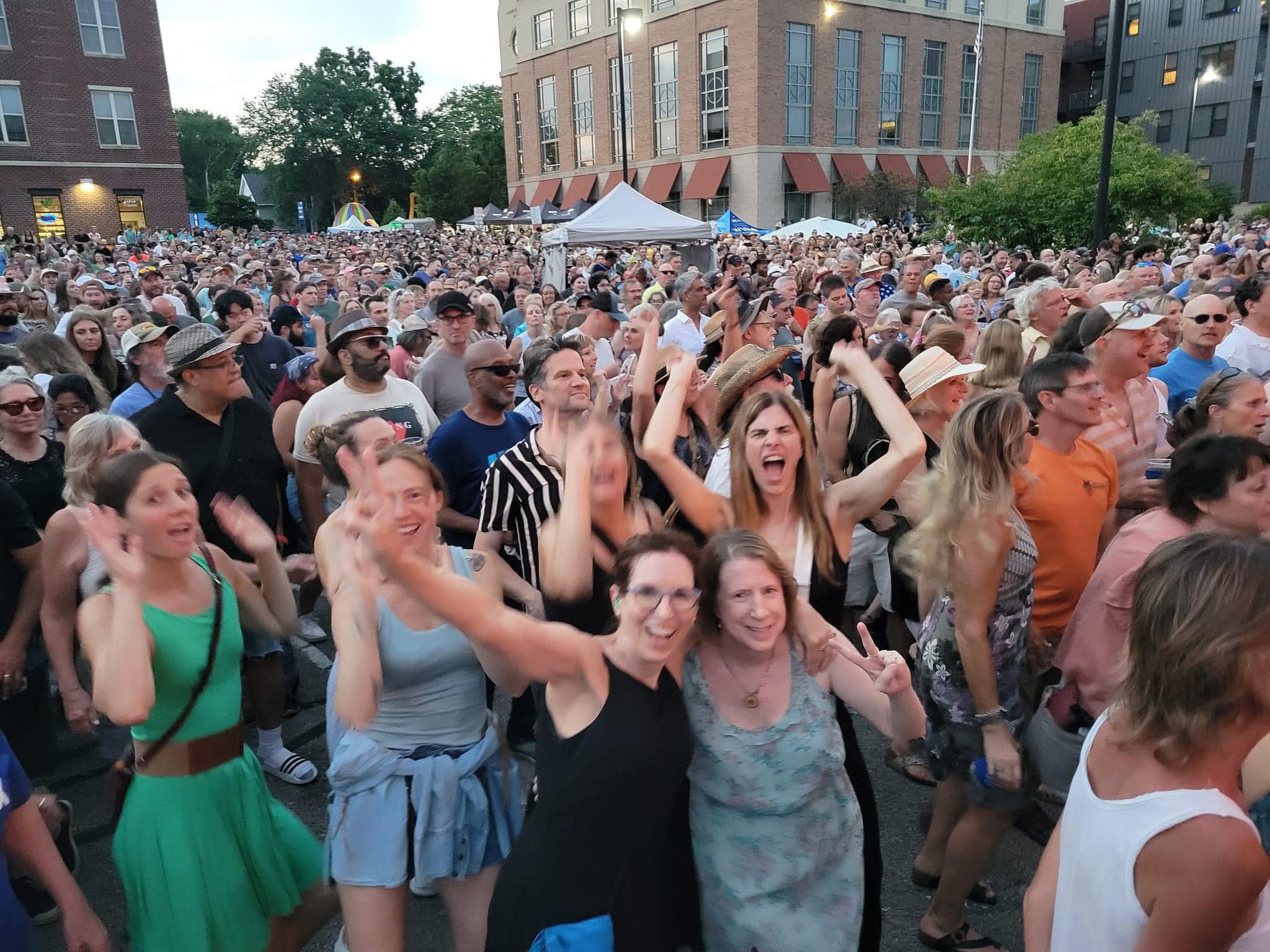
By evening, that raw reaction had grown into something organized. Hundreds of people gathered at the site before marching toward downtown. Their route took them through the Concert on the Square, an event that was interrupted as the crowd passed. Speakers at the demonstration named the man as Corey Ruiz, and the chant of his name carried through the streets.
What Police Have Said So Far
Madison Police Chief John Patterson addressed reporters the same day. He opened by asking residents to think about the Willy Street neighborhood and the weight of what he called historical trauma, the kind that resurfaces whenever officers shoot someone in a community.
Patterson laid out the sequence as the department understood it:
- Officers were dispatched after a report of someone apparently trying car doors on parked vehicles.
- When officers approached, the man rode away on a bicycle, cutting through backyards until he was out of sight.
- Officers located him a second time. Patterson said the man either came off the bike on his own or was removed from it by officers.
- During the ensuing struggle, Patterson said the man produced a fixed blade knife and injured an officer.
- That officer, described by the chief as a veteran, fired multiple rounds. He was the only one of the four officers involved to discharge a weapon.
One detail from the video has drawn particular scrutiny. Footage appears to show an officer bringing his foot down on the man while he was already on the ground, at roughly the same moment the first shot rang out.
The Investigation Now Underway
Because of how Wisconsin law is written, the Madison Police Department cannot investigate itself here. Officer-involved shootings must be examined by an outside agency that had no part in the incident, a rule meant to protect the objectivity of the findings.
That responsibility falls to the Division of Criminal Investigation, part of the Wisconsin Department of Justice.
The timeline is not quick. These reviews can stretch on for weeks, sometimes months. When the investigators finish, their findings go to the local district attorney, who then decides whether any officer should face criminal charges.
History suggests that outcome is unlikely. Charges against officers in these cases are rare in Wisconsin.
Citing the open investigation, Patterson declined to take questions about specifics. He did confirm that the man’s family had been informed before he stepped in front of the cameras, and he offered them his condolences.
No Body Cameras, No Official Footage
One gap looms over everything that follows: Madison police officers do not wear body cameras.
That means the only visual record of what happened comes from bystanders holding phones. There is no department-controlled footage to review, no standardized angle, no audio captured from the officers’ perspective.
Patterson has been advocating for body cameras to be funded in the city’s 2027 budget. Whether Wednesday’s events accelerate that push is likely to become part of the local debate in the coming weeks.
The Political Response
The shooting quickly entered the Democratic primary for governor, with several candidates issuing statements.
Rep. Francesca Hong of Madison was the most pointed. She noted the location, saying police had killed a Black man only blocks from her campaign office and near the site where Tony Robinson was killed by Madison police in 2015. She described herself as horrified and devastated, and said her thoughts were with the man’s loved ones and with everyone who watched it happen. Hong called for all footage to be preserved and made public, and said the department needs to explain why de-escalation was not possible.
Milwaukee County Executive David Crowley struck a similar note while acknowledging the incomplete picture. He said the reports emerging from Madison were painfully familiar, echoing what unfolded in Kenosha, in Minneapolis, and in too many other places. Each one, he argued, reopens old wounds and underscores how much work remains on trust, transparency, and accountability. His thoughts, he said, were with the family facing a sudden and unimaginable loss and with the wider Madison community.
Candidate Joel Brennan focused on the process itself. Madison, he said, is owed a complete, transparent, and independent account of what took place. He argued that no family should be left waiting for answers and no community should have to wonder whether the full truth will surface. The Wisconsin DOJ, in his view, must be permitted to finish its work without interference of any kind.
Dane County Executive Melissa Agard framed it as something the community has faced before. She said residents are once again reckoning with what happens when a life ends during an encounter with law enforcement. This is not just another headline, she said. It is someone’s child. She extended sympathy to the grieving family, to everyone affected, and to the bystanders and emergency responders who found themselves in an extraordinarily difficult moment. Every police shooting, she added, damages public trust and leaves people searching for explanations. Her warning was blunt: these tragedies cannot be allowed to feel normal or inevitable.
What Comes Next
For now, Madison waits. The investigation will take its own time, and the district attorney’s decision may not arrive for months.
What has already changed is the conversation. Questions about body cameras, about de-escalation training, and about what accountability actually looks like are no longer abstract policy items in this city. They are being asked in the street, at protests, and on a campaign trail heading toward an election.
Author