The Philippines’ GoreBox ban following a deadly school shooting has thrust the debate over violent video games back into the spotlight. Authorities temporarily blocked the online gaming app just days after a rare school shooting killed three students and injured 20 others in the country’s southeast.
The Tragedy That Prompted the Ban
Investigators said that one of the two teenagers accused of opening fire on students at San Jose National High School in Tacloban city had been a regular player of GoreBox, a game that allows players to wield various weapons and depicts graphic violence.
The connection prompted swift action from officials, who moved to restrict access to the app while they investigate what role, if any, it may have played in the attack.
What Is GoreBox?
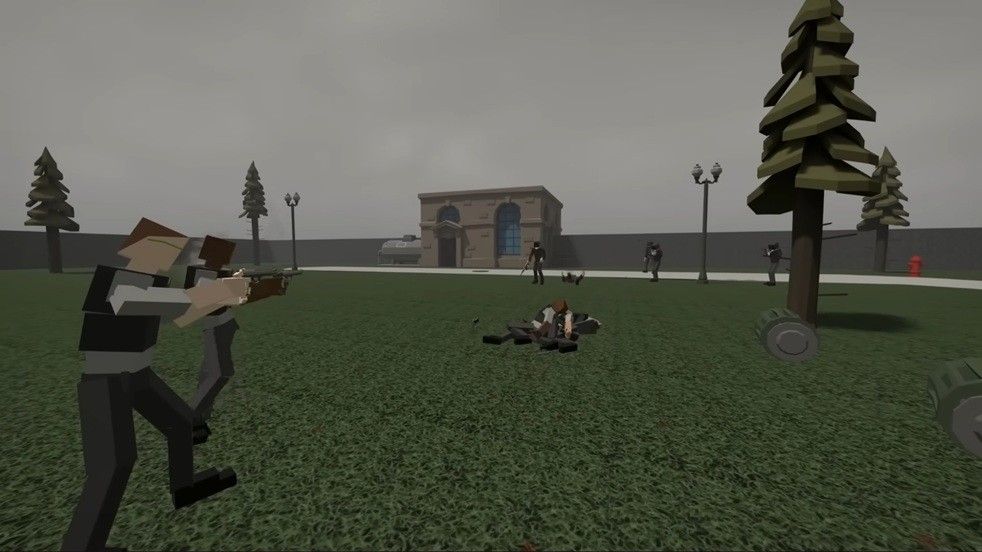
GoreBox is a game built around extreme violence. Its Google Play description invites players to engage in brutal combat with an extensive arsenal of weapons and explosives, while witnessing realistic rag-doll physics and an intense gore system that, in its own words, “brings dismemberment to life.”
A few key facts about the app:
- It was launched in 2023 by F2 Games.
- It has amassed more than 10 million downloads on Google Play.
- It carries an R18+ rating from the International Age Rating Coalition due to its depictions of extreme violence.
The company did not immediately respond to questions from reporters.
What the Science Says
Despite the intuitive appeal of linking violent games to real-world violence, the research tells a different story. Scientific studies have repeatedly found no credible connection between video games and actual violence.
A 2020 meta-analysis of multiple studies concluded that the long-term effects of violent games on youth aggression were “near zero.” This body of evidence complicates any attempt to draw a direct line from the game to the shooting, a nuance worth keeping in mind as the investigation unfolds.
The Government’s Justification
The Philippines’ Cybercrime Investigation and Coordinating Center (CICC) framed the temporary ban as a precautionary measure pending investigation.
CICC undersecretary Aboy Paraiso acknowledged the uncertainty while defending the move, saying authorities could not ignore possible online influences that may have contributed to the tragedy. He explained that blocking the game temporarily would allow officials to assess whether the platform played any role in the suspects’ actions.
Paraiso added that the government was reinforcing its monitoring efforts to identify online spaces that might pose risks to young users, emphasizing that the priority was the safety and wellbeing of Filipino children exposed to the internet.
A Closer Look at the Shooting
While firearm crimes are relatively common in the Philippines, partly due to the proliferation of unlicensed guns, school shootings remain rare.
Philippine police told local media that initial interviews suggested the grade 9 suspects, aged 14 and 15, may have been bullied, and that the alleged attack may have been carried out as retribution. Both suspects are in police custody.
The justice department indicated it was examining a more troubling possibility: that the shooting might be part of a trend of nihilistic violent extremism. This phenomenon is characterized by the perpetration of extreme violence without a coherent or traditional ideological framework.
Broader Concerns About School Violence
The shooting has not occurred in isolation. The Philippines’ human rights commission said it was alarmed by other recent reports of violence in schools.
In particular, the commission pointed to two separate stabbing incidents within the past week, one at Cavite National High School and another at Bethel Academy of General Trias in Cavite. It stressed that these incidents underscore the urgent need to strengthen measures that prevent violence and protect students.
Weighing Prevention Against Evidence
The Philippines’ GoreBox ban highlights a familiar tension that surfaces after tragedies like this one. On one side stands the understandable impulse to act decisively and address any possible contributing factor. On the other sits a substantial body of research suggesting that violent video games are not a meaningful cause of real-world violence.
As authorities continue their investigation, the temporary block may offer a sense of immediate action, but the deeper questions, about bullying, access to firearms, and the wellbeing of young people, are likely to demand far more sustained attention.
This is a sensitive topic involving violence and the loss of young lives. If you or someone you know has been affected by school violence and is struggling, reaching out to a mental health professional or a trusted person for support can make a meaningful difference.
Author