The California billionaire tax Proposition 40 fight has done something unusual: it has turned natural allies into opponents. Labor unions that normally campaign side by side spent a weekend in San Diego arguing against each other, and the state Democratic Party emerged with an endorsement that barely survived the process.
A Narrow, Bruising Vote
The party’s executive board backed the measure after three days of heated debate. The margin was razor thin, and it took a second attempt. An initial vote by delegates failed to reach the threshold needed for endorsement.
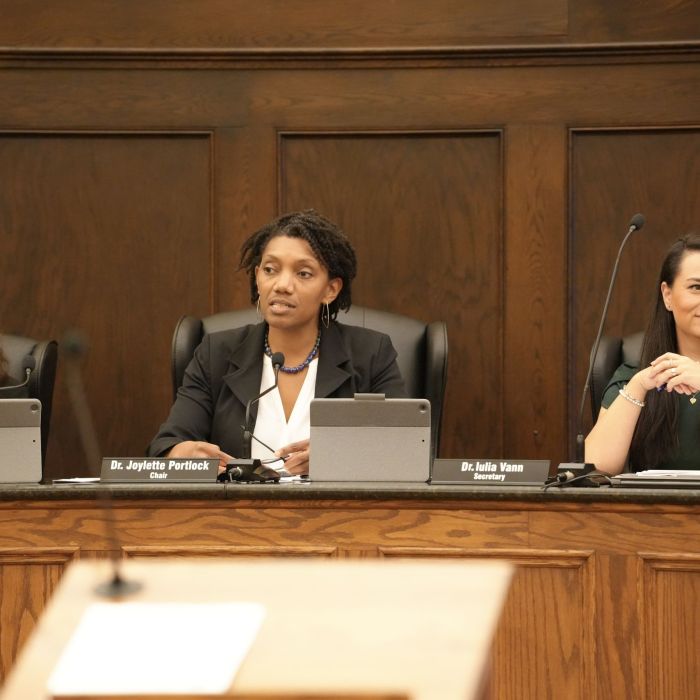
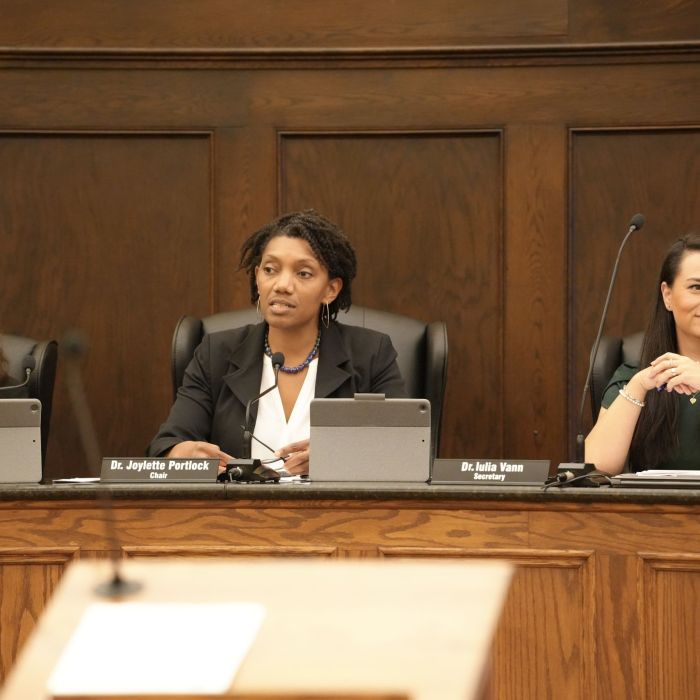
The tension was visible from the floor. Teri Holoman, associate executive director of the California Teachers Association, stood in a ballroom full of activists wearing shirts reading “Tax the Billionaires” and acknowledged how strange the moment felt for people used to being on the same side.
Her union supports taxing the wealthy. It simply does not believe this particular measure is the correct vehicle.
What Proposition 40 Would Actually Do
The proposal is a one-time levy on California residents holding at least $1 billion in assets.
If voters approve it, the measure would be the first tax in the country assessed against a person’s total net worth rather than income. That calculation would sweep in:
- Stock holdings
- Assets placed in trusts
- Physical property such as artwork and jewelry
The revenue, projected in the tens of billions, is earmarked for health care programs that were cut last year under President Trump.
The Case For It
The Service Employees International Union-United Healthcare Workers West sponsored the measure and frames it in stark terms. Without the money, the union argues, millions of Californians lose insurance coverage and hospitals shut their doors.
Dave Regan, the union’s president, was blunt about Democratic officials lining up against it, saying they are out of step with the very people they claim to speak for.
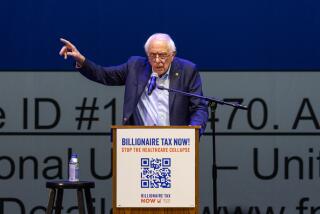
Representative Ro Khanna, one of the few elected Democrats in the state publicly supporting the measure, cast it as a referendum on the party’s identity. He described the choice as one between the corporate donor class and working-class economic populism, and said California’s fight has become the clearest symbol of that split nationally.
The Case Against It
The opposition is where this story gets complicated, because much of it comes from the left.
The California Teachers Association and Planned Parenthood Affiliates of California both oppose Proposition 40. Their objection is not ideological. Neither group defends billionaires. Their complaint is structural: a one-time tax does not create durable funding for the wide range of services the state supports.
They are backing a different measure on the same ballot. Proposition 3 would make permanent a temporary income tax increase on high earners, producing recurring revenue rather than a single windfall.
Willie Pelote, a consultant with the No on 40 campaign, argued the measure is divisive by design. He told delegates it pits health care workers against educators and others whose livelihoods depend on state budgets, and said labor groups should have negotiated a proposal that lifted every sector rather than one.
His warning was pointed. Proposition 40, he said, creates winners and losers among people who are supposed to be allies.
Where the Party’s Leaders Stand
The endorsement puts the state party in direct conflict with its most prominent officeholders.
Governor Gavin Newsom opposes the tax. So does Xavier Becerra, the Democratic candidate running to succeed him. Their shared argument is that the measure would backfire, pushing entrepreneurs out of California and shrinking the tax base that funds schools and public services over the long run.
That leaves an awkward arrangement heading into November: the party apparatus supporting a measure its governor and would-be governor are campaigning against.
Not the Usual Democratic Fight
Celinda Lake, a Democratic pollster based in Washington, drew a distinction worth noting.
Most intraparty clashes this year, particularly in primaries, come down to competing values. Candidates disagree about what the party should stand for. California’s billionaire tax is different because the disagreement is technical.
Lake described it as a pragmatic argument over whether the policy is well constructed or flawed. Both sides largely agree on the goal. They disagree on the mechanism.
That nuance may be lost on voters, but it explains why progressive organizations ended up on the same side as the governor.
The National Context
California is not alone in experimenting here.
- In New York, Governor Kathy Hochul and Mayor Zohran Mamdani have endorsed a tax on second homes valued at $5 million or more.
- Washington State lawmakers approved a millionaires’ tax, establishing the state’s first income tax, applying to earnings above $1 million. Opponents are trying to repeal it via the November ballot.
California’s version stands out because of scale. The state hosts more billionaires than any other, including several of the wealthiest people alive.
Some of them are already spending. A committee backing two ballot measures that could neutralize a billionaire tax has collected more than $118 million from a small group of donors.
Why It Matters Beyond California
California frequently functions as a proving ground for progressive policy, which is why the outcome is being tracked far outside the state.
Republicans see an opening regardless of the result, using the measure to portray California as unfriendly to business and enthusiastic about expanding government.
For Democrats, the harder question is the one Khanna raised. The party broadly agrees the wealth gap is a crisis. It has not agreed on what to do about it, and the argument playing out in San Diego this weekend is a preview of a fight likely to shape the 2028 presidential race.
Author
-
Lucienne Albrecht is Luxe Chronicle’s wealth and lifestyle editor, celebrated for her elegant perspective on finance, legacy, and global luxury culture. With a flair for blending sophistication with insight, she brings a distinctly feminine voice to the world of high society and wealth.