Putin Orders Fourth Military Expansion of the Year as Losses Mount in Ukraine
The latest Putin troop increase shows the Kremlin is once again turning to manpower as its war in Ukraine grinds on and Russian casualties continue to climb.
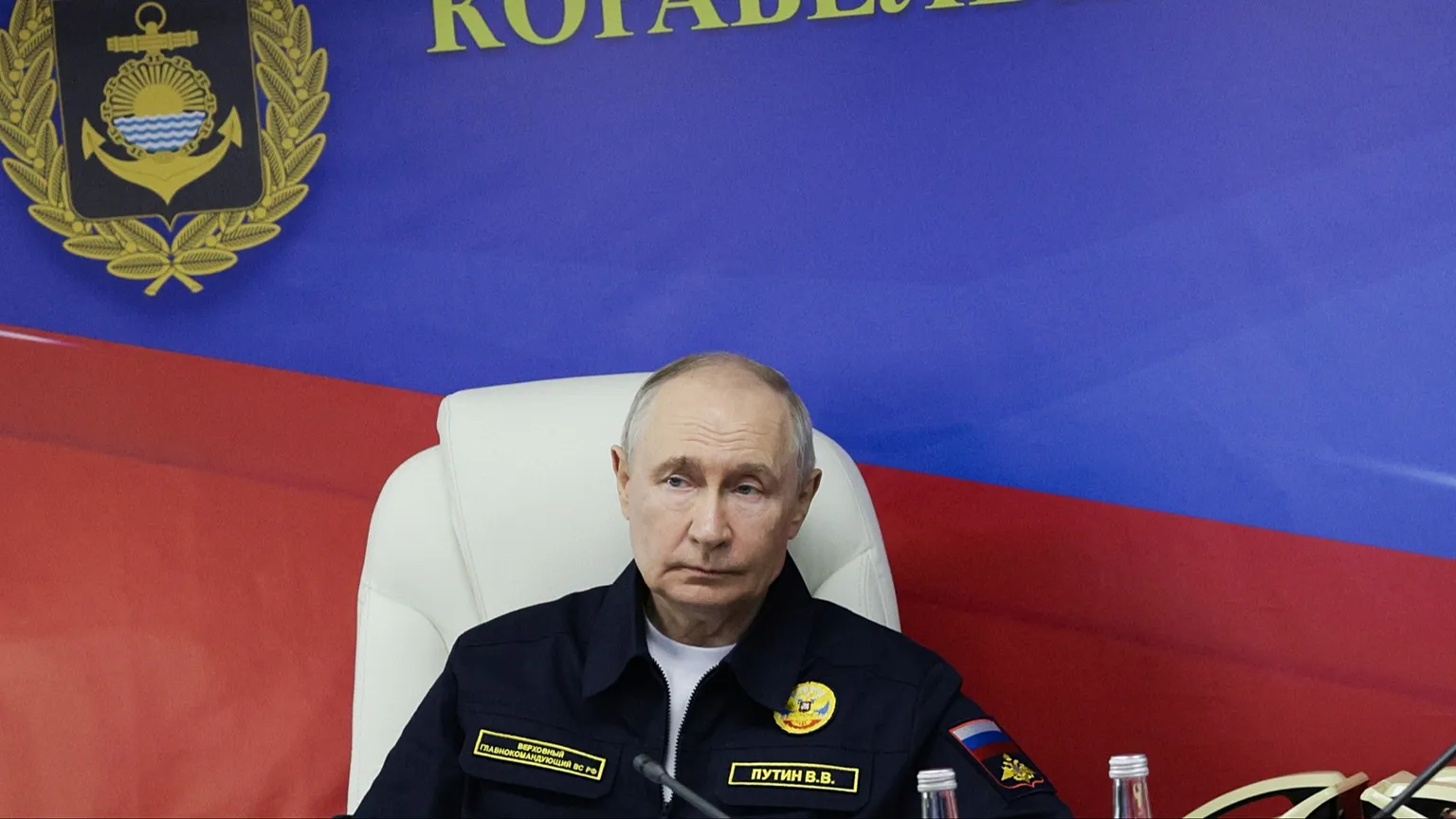
On Monday, Russian President Vladimir Putin signed an executive order adding 15,500 troops to the armed forces. The move lifts the number of active-duty servicemen to about 1.55 million and brings the total size of Russia’s military, including civilian staff, to 2,441,630 personnel.
What the New Decree Says
The measure, officially known as Order No. 700, was published on Russia’s government legal information portal. According to Russian state media, it is the fourth decree of its kind signed this year.
The order also directs the government to provide the Defense Ministry with whatever federal funding it needs to put the expansion into effect.
What the decree does not do is explain why the increase is necessary. The Kremlin has offered no public reasoning. Still, the move fits a clear pattern: Putin has repeatedly raised military personnel targets since launching the full-scale invasion of Ukraine in February 2022.
A Steady Climb Through 2026
Looking at this year’s decrees side by side shows how quickly Russia’s authorized force has been growing:
- March: total strength set at 2,391,770
- June: raised to 2,399,130
- August 1: increased to 2,426,130, including 1,535,000 troops
- Late September: now 2,441,630, with around 1.55 million troops
Altogether, Russia’s authorized military strength has risen by 49,860 personnel since March.
An independent Russian news outlet operating in exile reports that 52,500 new military positions have been created this year, with most of them being combat-ready active-duty roles rather than civilian support jobs.
Mobilization Fears Resurface
The timing of the order has fueled speculation in Kyiv. Ukrainian officials have accused Moscow of laying the groundwork for a new round of mass mobilization, now that Russia’s parliamentary elections, held last week, are out of the way.
Ukrainian President Volodymyr Zelensky went further, claiming that Russia has effectively already started ramping up recruitment using a variety of methods. He did not, however, offer specific details to back up that claim.
The Kremlin rejects this view. Putin, who last announced a so-called partial mobilization of reservists in September 2022, has brushed off the mobilization warnings as disinformation.
That earlier mobilization proved deeply unpopular at home and prompted many Russian men to leave the country, which helps explain why Moscow may be reluctant to openly repeat it.
A Difficult Picture on the Battlefield
The decree comes at a tough moment for Russian forces. According to reports, Russian losses in Ukraine have been rising, while its advances on the battlefield have slowed noticeably this year.
A major reason is the transformation of modern combat by drones. With unmanned aircraft now widely used across the front lines, moving large groups of soldiers quickly has become extremely risky and, in many areas, close to impossible. Troops and vehicles gathered in the open can be spotted and targeted within minutes.
There have also been reports of Ukrainian forces breaking through Russian lines along certain stretches of the front, adding to the pressure on Moscow.
In that context, expanding the size of the army looks less like a sign of strength and more like an effort to replace heavy losses and sustain a long, costly war.
Growing Reliance on Foreign Fighters
Zelensky has also warned that Russia is increasingly relying on help from abroad to fill its ranks.
Citing fresh findings from Ukraine’s military intelligence, he said:
- More than 8,000 North Korean military personnel are currently in Russia
- Preparations are underway to send an additional 10,000
If accurate, those figures would point to a deepening military partnership between Moscow and Pyongyang, and to Russia’s need to look beyond its own population to keep the war going.
Putin’s Warnings Toward Europe
The decree also follows a sharp speech by Putin last Friday. In it, he denied that Russia is preparing for a war with Europe. At the same time, he accused the Baltic states of violating the rights of Russian-speaking residents and promised that Russia would continue to fight on their behalf.
He also dismissed Estonia’s worries about its own security, describing them as political theatrics.
For many in the region, those remarks sound uncomfortably familiar. The Kremlin has long pointed to claims of discrimination against Russian minorities as a reason to pressure its neighbors. It used similar arguments against Ukraine in the years before the full-scale invasion.
Moscow also repeatedly denied it had any plans to attack Ukraine before doing exactly that. To this day, Russian officials still refer to the war as a “special military operation,” a label critics say is designed to downplay its scale and human cost.
Why This Matters
On its own, an increase of 15,500 troops might seem modest for a military of Russia’s size. But taken together with the three earlier decrees this year, it reveals a consistent strategy: keep expanding the force, fund it without limit, and avoid explaining why.
Several concerns flow from this:
- For Ukraine, it signals that Russia is preparing to sustain the war over the long term rather than seek a quick end.
- For Europe, especially the Baltic states, the combination of a growing army and harsh rhetoric raises fears about Moscow’s wider intentions.
- For Russians at home, it revives worries about whether another mobilization may eventually follow, whatever the Kremlin says publicly.
What Comes Next
The Kremlin shows no sign of slowing its military buildup. With losses mounting, progress on the ground stalling, and foreign troops reportedly being brought in to help, Moscow appears to be betting that sheer numbers can eventually shift the balance.
Whether that strategy works, and whether it leads to a broader mobilization Putin currently denies, will be closely watched in Kyiv, across Europe, and inside Russia itself.
Author