Quad Summit Set for Manila in November as Rubio Confirms Leaders’ Meeting on ASEAN Sidelines
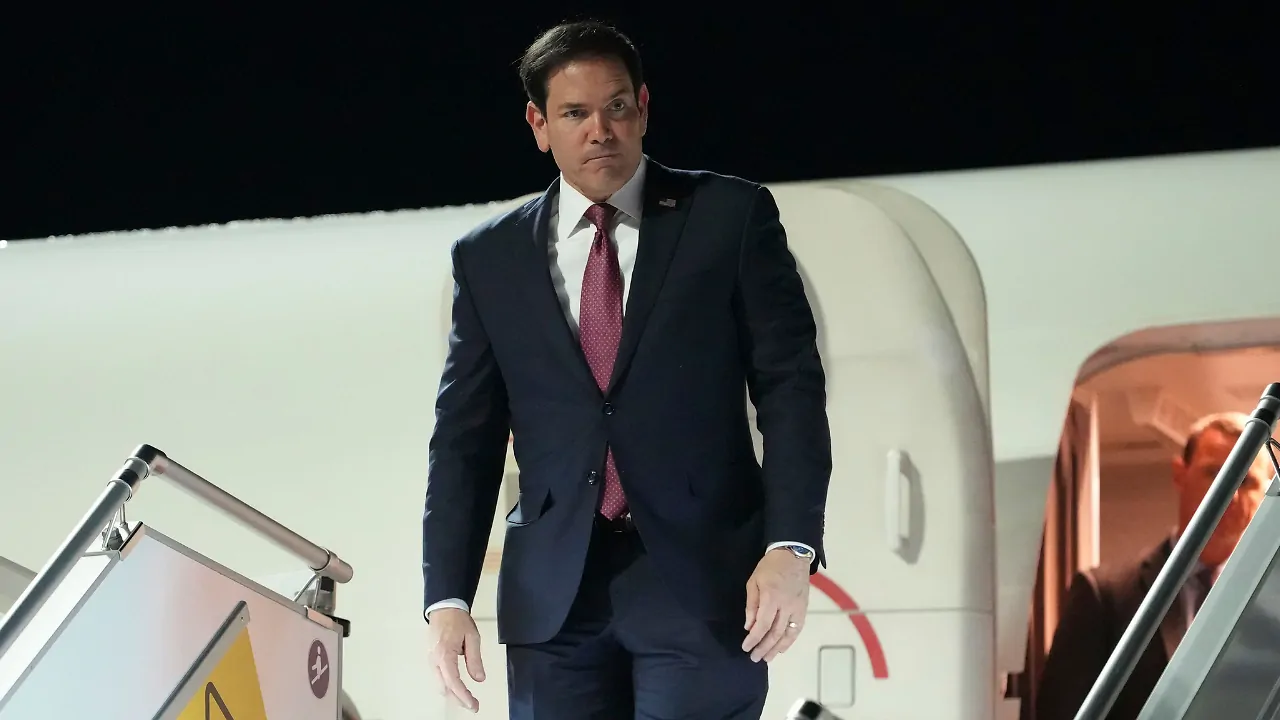
Quad Summit plans have finally come into focus after months of uncertainty, with US Secretary of State Marco Rubio confirming that the leaders of India, the United States, Australia and Japan will gather in the Philippines next month.
The meeting will take place alongside the ASEAN Summit, which Manila is hosting on November 16 and 17. Prime Minister Narendra Modi, President Donald Trump and the heads of government from Canberra and Tokyo are all expected to attend, giving the four-nation grouping its first leader-level meeting in some time.
Rubio Signals Enthusiasm for the Gathering
Speaking to Network 18 on Tuesday, Rubio said Washington had hoped to see the Quad leaders convene before the end of the year and that Manila offered the natural venue. While the precise date within the ASEAN window has yet to be fixed, he left no doubt that the meeting would go ahead.
He described the United States as eager to take part and said the administration was looking forward to joining its partners in just a few weeks’ time.
The confirmation matters because the Quad has lacked a clear calendar for much of the past year. Diplomats from all four countries had been waiting for a signal from Washington, and Rubio’s comments provide the first firm indication of when and where the leaders will sit down together.
Why India’s Turn as Host Fell Through
India had been slated to host the previous Quad Leaders’ Summit last year. That plan quietly collapsed when Washington failed to offer clarity on whether Trump would travel to the country.
The episode left a gap in the grouping’s rhythm of annual leader-level meetings and raised questions in some quarters about the depth of American commitment to the format. By anchoring the next summit to a multilateral event that Trump is already expected to attend, organisers appear to have sidestepped the scheduling difficulties that derailed the Indian plan.
What the Quad Is and Why It Matters
The Quadrilateral Security Dialogue, commonly known as the Quad, brings together four Indo-Pacific democracies with shared concerns about regional stability. Though its members avoid describing it as a military alliance, the grouping has steadily expanded its agenda to cover:
Maritime security and freedom of navigation.
Critical and emerging technologies.
Supply chain resilience and infrastructure.
Humanitarian assistance and disaster response.
Public health and vaccine cooperation.
Meeting on the margins of ASEAN carries symbolic weight. Southeast Asian nations have at times viewed the Quad warily, concerned that it could overshadow their own regional architecture. Holding the summit in Manila, a close US ally that has faced mounting pressure in the South China Sea, sends a message about where the grouping’s attention is directed.
Rubio Defends US Engagement With Pakistan
The interview also touched on a subject that has long complicated India-US relations: Washington’s ties with Islamabad. Asked how the United States squares its warming relationship with Pakistan against New Delhi’s persistent concerns about cross-border terrorism, Rubio offered a candid answer.
He stressed that the United States opposes terrorism everywhere and stands against any state that sponsors it. But he also drew a distinction between his earlier role as a senator and his current responsibilities as the nation’s chief diplomat, which require him to manage relationships with countries the US may disagree with.
Pakistan, he argued, falls squarely into that category for two reasons.
It is a nuclear-armed state, which makes sustained engagement a matter of necessity rather than preference.
Its geographic position means Washington must be able to interact with its leadership.
The Iran Comparison
Rubio went further, drawing a parallel that may not sit comfortably with everyone in New Delhi. He pointed out that India maintains its own relationship with Iran and meets with Iranian leaders despite American objections to Tehran, suggesting that Washington’s dealings with Pakistan follow the same logic.
The comparison reflects a broader theme in the administration’s foreign policy: that great powers must keep channels open even with difficult partners, and that allies should extend one another the same latitude.
For India, which has repeatedly pressed the United States to hold Pakistan accountable for militant groups operating from its soil, the remarks are unlikely to fully satisfy. But they do clarify that the current administration sees engagement with Islamabad as non-negotiable.
Looking Ahead to Manila
With the Quad Summit now locked into the ASEAN schedule, attention turns to what the four leaders will actually deliver. Previous meetings have produced initiatives on maritime domain awareness, undersea cables and infrastructure financing, and observers will be watching for concrete announcements rather than broad statements of intent.
The Modi-Trump dynamic will draw particular scrutiny. The two leaders have had a complicated relationship, and a face-to-face meeting in Manila offers an opportunity to reset after a period of friction over trade and regional policy.
For the Philippines, hosting both ASEAN and the Quad in the same week represents a diplomatic coup, placing Manila at the centre of Indo-Pacific conversations at a moment of heightened tension in surrounding waters.
The Bottom Line
Rubio’s confirmation ends a prolonged period of ambiguity about the Quad’s future and restores a sense of momentum to a grouping that had drifted without a leader-level meeting. Whether the Manila summit produces substantive outcomes, and whether the strains over Pakistan can be managed, will determine how much that momentum is worth.
Author