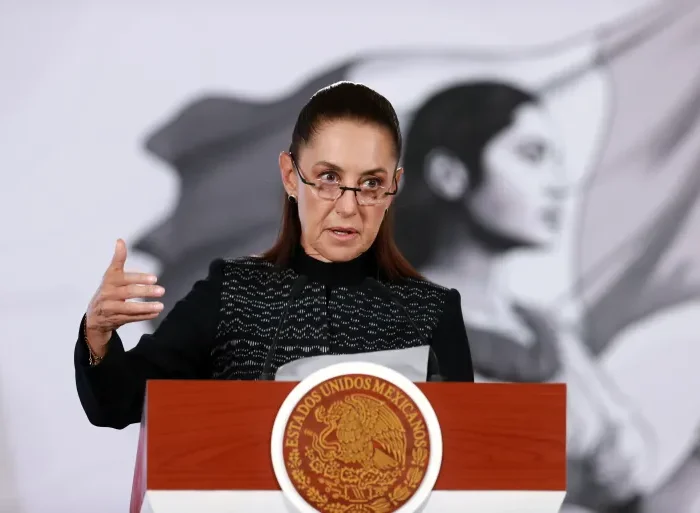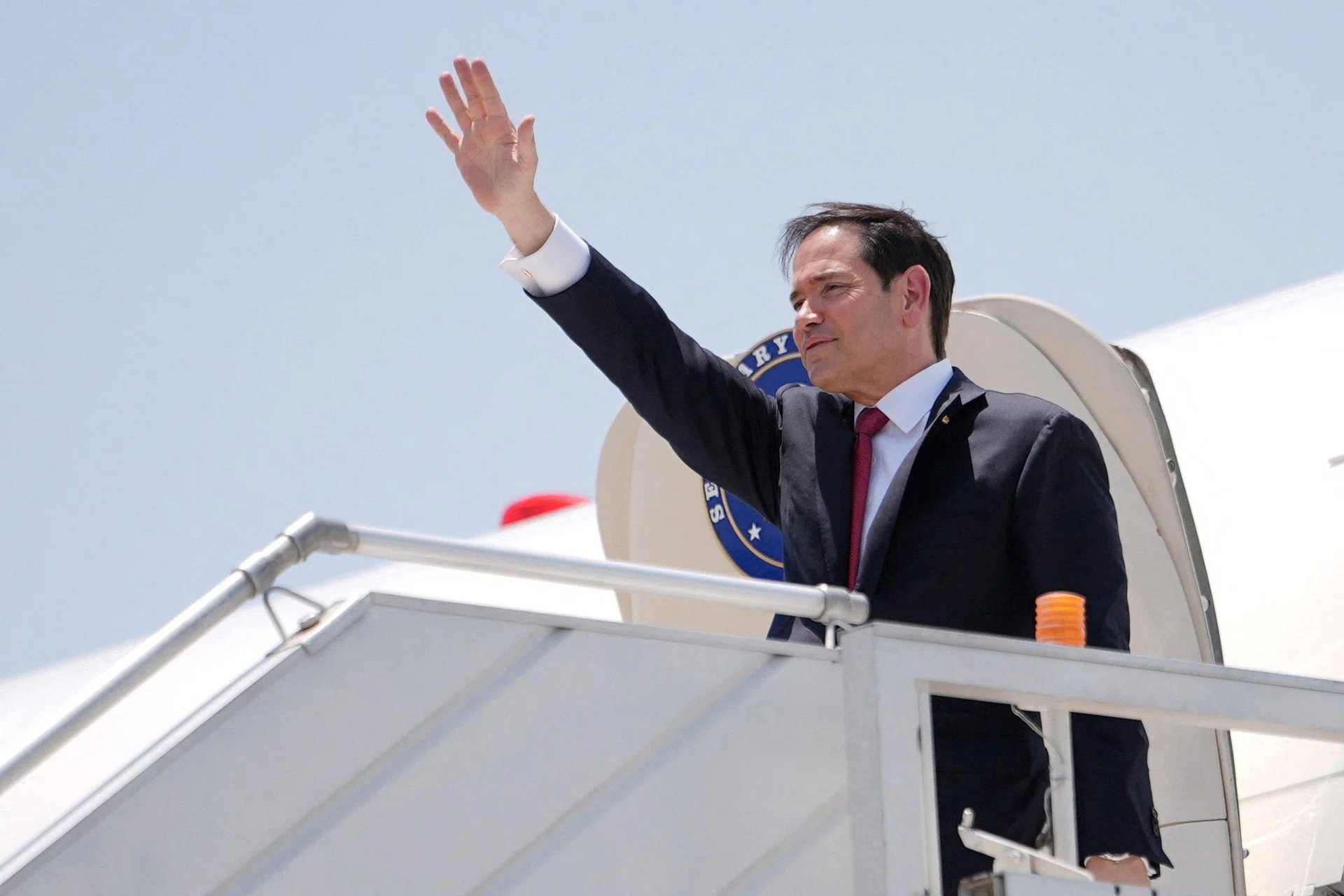
Rubio’s Gulf tour over the Iran deal began Wednesday in Abu Dhabi, as America’s top diplomat set out to reassure skeptical Gulf allies who view the proposed peace accord as far too lenient on a country that attacked them during the recent war. The mission marks Secretary of State Marco Rubio’s first high-level diplomatic effort on the agreement.
A Deal That Worries America’s Friends
The US-Iran accord reached last week is historic in its own right, the first signed by an American and an Iranian president since Iran’s 1979 Islamic Revolution. But its terms have unsettled Washington’s regional partners.
The agreement includes a proposed $300 billion fund and the waiver of some sanctions, provisions that have raised alarm among Gulf states. Their core fear is straightforward: that Iran could exploit the deal to rebuild its strength after a conflict in which it struck their territory.
Rubio’s Three-Day Mission
Arriving in the UAE capital late Tuesday for a three-day tour of the oil-rich Gulf, Rubio quickly got to work. He held a working lunch with UAE President Sheikh Mohammed bin Zayed Al Nahyan, along with other senior figures including National Security Advisor Sheikh Tahnoun bin Zayed Al Nahyan and Foreign Minister Sheikh Abdullah bin Zayed Al Nahyan.
When asked on arrival whether he intended to address allies’ unease with the accord, Rubio confirmed the topic would feature prominently, noting that discussions would also cover issues not included in the memorandum of understanding.
A Diplomat Returning to the Spotlight
Rubio’s prominent role here is notable given his recent absence from Iran-related diplomacy. In recent weeks, Vice President JD Vance had taken the lead, heading a round of talks with Iranian counterparts over the weekend in Switzerland.
Beyond the UAE, Rubio’s itinerary includes Kuwait and Bahrain. All three nations share important characteristics that make them central to this diplomatic effort:
- Each hosts strategic US military bases
- All were struck by Iranian missiles during the war, suffering civilian deaths
The UAE in particular faces severe economic strain. The war drove away some expatriates who form the backbone of its non-oil economy, threatening the stability that this global financial center prides itself on maintaining.
Parallel Efforts Across the Region
Rubio’s tour is unfolding alongside several other diplomatic initiatives in the region.
Qatari Prime Minister Sheikh Mohammed bin Abdulrahman al-Thani visited Muscat on Wednesday for talks with Oman aimed at launching negotiations involving Iran, Iraq, and Gulf Arab states over the Strait of Hormuz. According to a diplomat briefed on the talks, these discussions are separate from the US-Iran peace process. Additionally, plans are underway for regional reconciliation talks in Riyadh involving Iran, Gulf Arab states, and possibly other regional countries.
The Strait of Hormuz looms large over all of this. The waterway, a vital route for roughly a fifth of global oil and liquefied natural gas supplies, has been heavily disrupted since the US and Israel launched their war against Iran on February 28, curbing commercial shipping and rattling energy markets.
A Delicate Balancing Act
Rubio’s task is a tricky one. He must defend a preliminary accord that President Trump firmly backs while also credibly addressing the genuine concerns of his Gulf counterparts.
His framing will draw intense scrutiny. Once known as a hawkish critic of Iran, Rubio now finds himself defending a deal that many congressional Republicans have blasted as amounting to capitulation. Adding a layer of political intrigue, both Rubio and Vance, former US senators, are widely seen in Republican circles as potential successors to Trump.
The Unresolved Nuclear Question
At the heart of the broader negotiations lies Iran’s nuclear program. Last week’s 14-point memorandum of understanding set out broad agreements in principle to end the war and opened a 60-day window for talks on the thornier details.
A central sticking point is the fate of Iran’s highly enriched uranium, including material enriched to up to 60 percent purity, just a short step from the roughly 90 percent considered weapons grade. Tehran maintains its program is purely peaceful. Notably, Iran has said nuclear access will only be discussed as part of a final deal with the US.
Gulf allies harbor additional worries that the agreement leaves unaddressed:
- The proposed $300 billion reconstruction fund could be used to rebuild Iran’s military.
- The accord does not tackle Tehran’s ballistic missile capacity, a pointed concern for states that were struck by Iranian missiles and drones during the war.
What’s at Stake
Rubio’s Gulf tour over the Iran deal represents a critical test of whether the US can hold its fragile diplomatic framework together while keeping nervous allies on board. With the accord facing criticism from both regional partners and members of his own party, Rubio must walk a fine line between loyalty to Trump’s vision and honest engagement with the fears of the Gulf states.
As the three-day mission unfolds, his words will be parsed closely for clues about how far Washington is willing to go to satisfy allies, and whether this historic but contested deal can ultimately deliver the lasting stability the region craves.
Author