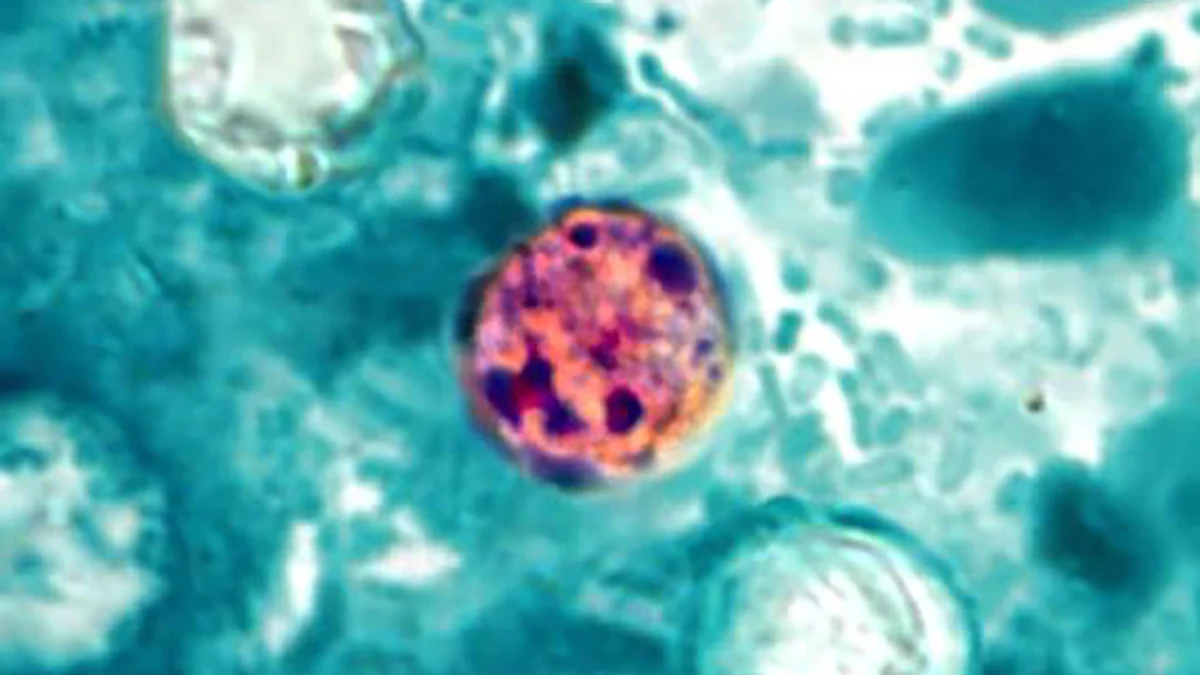
A cyclosporiasis parasite outbreak in Kentucky has health officials urging caution, as a foodborne illness known for causing “explosive diarrhea” continues to spread across the region and much of the country. Norton Healthcare has confirmed that the rise now includes Kentucky, adding the state to a growing list of areas reporting cases.
What’s Happening in Kentucky
Cyclosporiasis is a parasitic infection and form of food poisoning that triggers severe diarrhea along with other gastrointestinal problems.
Over the past two weeks, Norton Healthcare said it has diagnosed 10 cases in adult patients, none of whom required hospitalization. Similar illnesses have been reported in at least 28 other states in recent months, signaling a much broader trend.
A Familiar Summer Threat
Experts stress that this is not a new danger. The parasite tends to contaminate raw fruits and vegetables, such as berries and salad greens, every summer. What sets this year apart is the unusually high case counts in certain states.
The numbers elsewhere illustrate the scale of the problem:
- Michigan health officials reported the state’s outbreak reached nearly 1,000 cases in about two weeks, with figures climbing from 170 on June 30 to 572 by early July.
- Illinois has reported 141 cases.
- New York noted dozens of cases since May.
So far, the source of the outbreak has not been identified. Importantly, there is no evidence that the illness spreads from person to person.
Understanding Cyclospora
The parasite behind the illness has a particular affinity for fresh produce. According to Dr. Steven Goldberg, chief medical officer for HealthTrackRx, an outpatient infectious disease laboratory, cyclospora is a foodborne parasite that enters the body, particularly the gut, and causes a diarrheal illness.
The parasite has been found in a range of fresh produce items, including:
- Parsley, cilantro, and spinach
- Snow peas and mesclun lettuce
- Salad mixes
- Raspberries, blueberries, and blackberries
Goldberg explained that these foods share a common trait: rough, irregular surfaces that give the parasite plenty of crevices to hide in and cling to, making them especially hard to clean thoroughly.
How It Spreads
Rather than passing between people, cyclospora is transmitted through contaminated food. Goldberg described the typical chain of transmission as beginning with someone experiencing diarrhea, with that material then finding its way into food preparation or service.
The infection is also seasonal, with cases climbing through spring and summer. The official cyclosporiasis season runs from May 1 to August 31.
How to Protect Yourself
The Centers for Disease Control and Prevention recommends several straightforward steps to reduce the risk of infection:
- Wash your hands before and after handling or preparing raw fruits and vegetables.
- Wash all fruits and vegetables thoroughly before eating, cutting, or cooking them.
- Refrigerate cut, peeled, or cooked produce within two hours, or as soon as possible.
The CDC notes that those who become infected can remain sick anywhere from two days to two weeks or longer. People traveling to or living in subtropical regions may face an increased risk. Anyone experiencing symptoms should contact their healthcare provider.
With the parasite thriving in exactly the kinds of fresh produce that fill summer meals, a little extra care in the kitchen may go a long way toward staying healthy through the season.
Author