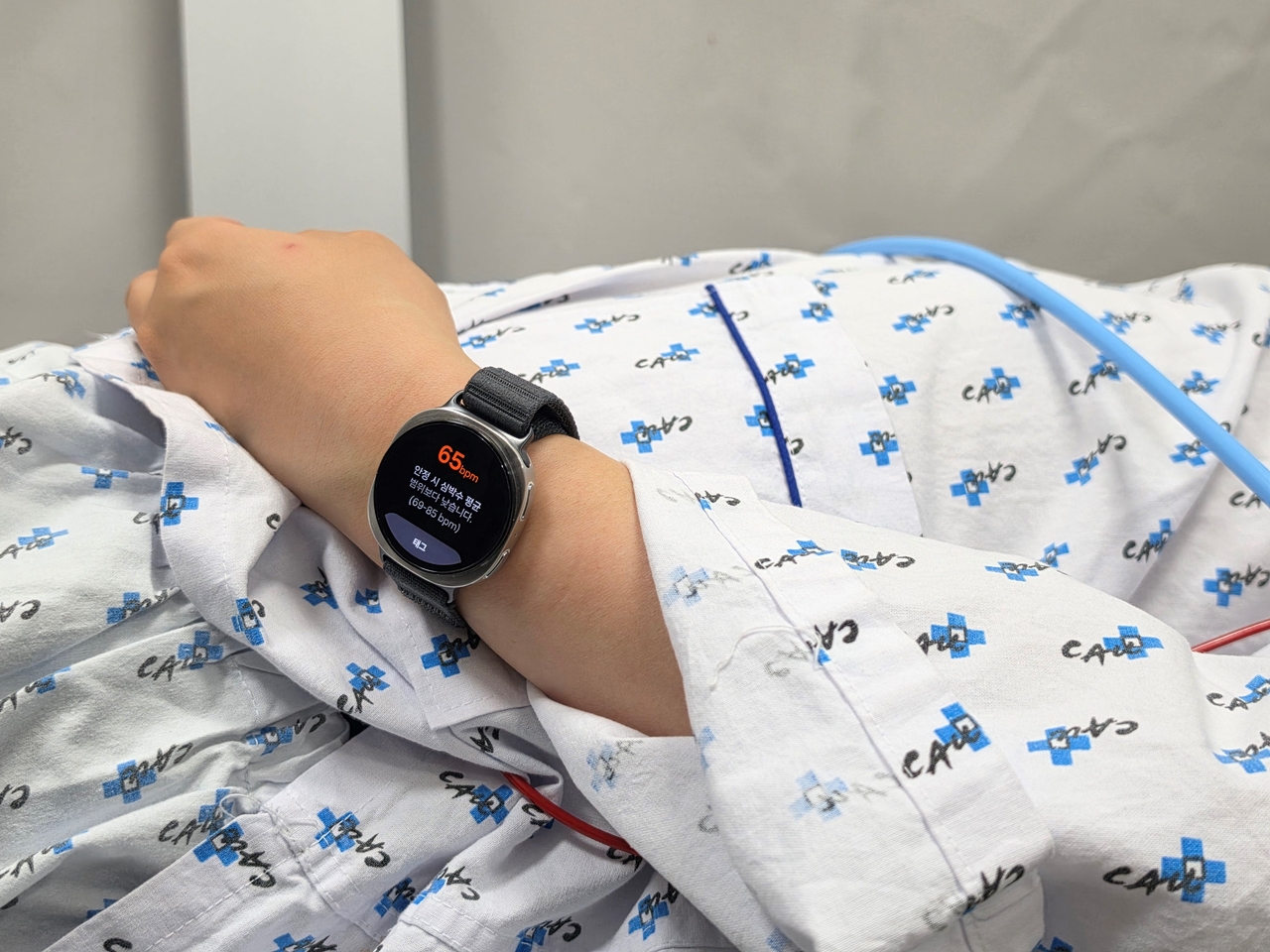
Samsung Galaxy Watch Fainting Prediction: A World-First Breakthrough in Wearable Health Tech
The Galaxy Watch fainting prediction technology has just reached a major milestone, marking what Samsung calls a world-first achievement in wearable healthcare. Through a joint clinical study with Chung-Ang University Gwangmyeong Hospital in Korea, Samsung has demonstrated that its smartwatch can predict fainting episodes with high accuracy, potentially preventing serious injuries and reshaping how we think about preventive health.
A Major Step Forward in Smartwatch Health Monitoring
Samsung announced this breakthrough following months of clinical evaluation. The study focused on vasovagal syncope, commonly known as VVS, which is a form of fainting caused by a sudden drop in heart rate and blood pressure, often triggered by extreme stress or emotional shock. While the fainting itself is rarely life-threatening, the falls that come with it can lead to severe injuries such as fractures and concussions.
This is exactly where wearable technology has the potential to make a real difference. Predicting a fainting spell even a few minutes in advance can give a person enough time to sit down, lie still, or call for help, dramatically reducing the chance of injury.
How Common Is Vasovagal Syncope
Many people are surprised to learn just how widespread vasovagal syncope actually is. According to Professor Junhwan Cho of the Department of Cardiology at Chung-Ang University Gwangmyeong Hospital, up to 40 percent of people experience VVS at some point during their lifetime. Around one-third of those affected go on to experience repeated episodes.
That makes early warning systems incredibly valuable. As Professor Cho explained, even a short heads-up can help patients move into a safer position or alert someone nearby. The result could be a sharp drop in fainting-related injuries, especially among older adults and people with chronic health issues.
Inside the Clinical Study
The research, led by Professor Cho’s team, evaluated 132 patients who showed symptoms suggesting possible VVS. The team used controlled fainting tests to study how the body responds in the moments leading up to a syncope episode.
Each patient wore a Galaxy Watch6 equipped with a photoplethysmography sensor, also known as a PPG sensor. This sensor monitors changes in blood volume by shining light through the skin and measuring how it reflects back. From this data, the team extracted heart rate variability information, which then fed into an artificial intelligence model designed to spot warning signs of an oncoming fainting episode.
The results were impressive:
- The AI model predicted fainting episodes up to five minutes in advance
- Overall accuracy reached 84.6 percent
- Sensitivity, which measures the model’s ability to correctly identify true cases, was 90 percent
- Specificity, which reflects how well it avoids false alarms, came in at 64 percent
These numbers suggest that the technology is not just theoretical but ready to support meaningful real-world health applications.
A Shift Toward Preventive Healthcare
For Samsung, the success of this study points to a much bigger trend in healthcare. According to Jongmin Choi, Head of the Health R&D Group at Samsung’s Mobile eXperience Business, the research is a clear example of how wearable technology can help shift the medical world away from focusing on care after problems occur, toward prevention before issues escalate.
This type of approach has long been a goal of the digital health industry. Smartwatches have already proven useful in detecting irregular heart rhythms, tracking sleep, and monitoring activity. But fainting prediction takes things to a new level by offering protection in moments where seconds genuinely matter.
Why This Matters for Galaxy Watch Users
While the technology is still being refined, the implications for everyday users are significant. Imagine a smartwatch that can quietly monitor your body in the background and alert you when something concerning is about to happen. For people with a history of fainting, this kind of warning could be life-changing.
Some of the potential benefits include:
- Reduced risk of injuries caused by sudden falls
- Greater independence for older adults at risk of fainting
- Improved peace of mind for patients with diagnosed VVS
- Real-time data that can be shared with doctors for better long-term care
- Empowering users to take preventive action before an episode occurs
It also opens the door for similar prediction tools to be developed for other health conditions in the future.
Published in a Top Medical Journal
The findings of the study were published in Volume 7, Issue 4 of the European Heart Journal Digital Health, one of the most respected publications in the field of digital cardiovascular research. According to Samsung, this represents the first time in the world that a commercially available smartwatch has been shown capable of providing early prediction of syncope.
That distinction places the Galaxy Watch in a unique position. It is no longer just a fitness and lifestyle device but a serious player in clinical health monitoring.
What Comes Next for Samsung’s Health Strategy
Samsung has made it clear that this study is only the beginning. The company plans to keep expanding the health monitoring capabilities of its wearable lineup and to deepen its partnerships with major medical institutions around the world.
Future developments could include:
- More advanced AI models that improve prediction accuracy further
- Integration with hospital systems for direct doctor alerts
- Personalized preventive health recommendations based on long-term data
- Broader expansion of fainting prediction across more Galaxy Watch models
- Potential applications for other heart-related and stress-related conditions
By investing in research and clinical validation, Samsung is positioning itself as a serious leader in the digital health space, not just a consumer electronics brand.
A Glimpse Into the Future of Health Tech
The Galaxy Watch fainting prediction breakthrough is more than just a technical achievement. It represents a shift in how we view the role of personal devices in our health journey. Rather than reacting to problems after they happen, the future is about predicting and preventing them before they ever arrive.
For millions of people who have experienced the sudden, frightening feeling of a fainting spell, the idea of getting a few minutes of warning could feel almost miraculous. As Samsung continues to refine this technology and roll it out to consumers, the line between everyday wearable and medical-grade device is set to blur even further.
Healthcare is no longer just something that happens in hospitals. With innovations like this one, it is something that increasingly lives on your wrist, watching out for you every second of the day.
Author