Starobilsk Drone Attack 2026: Luhansk Strike Sparks Russian Outrage and Vows of Retaliation
The Starobilsk Drone Attack 2026 has triggered a major escalation in the ongoing Russia-Ukraine conflict. What began as another tragic incident in war-ravaged eastern Ukraine has quickly grown into a diplomatic crisis, with Russia accusing Ukraine of carrying out a deadly strike on a college dormitory, Ukraine offering a different version of events, and an emergency UN Security Council session being called within hours. As Moscow vows retaliation and pro-Kremlin voices push for an even harsher response, the situation in Luhansk has become a flashpoint in the broader war.
This latest incident underscores how dangerous the conflict has become — and how quickly tensions can spiral.
A Scene of Devastation in Starobilsk
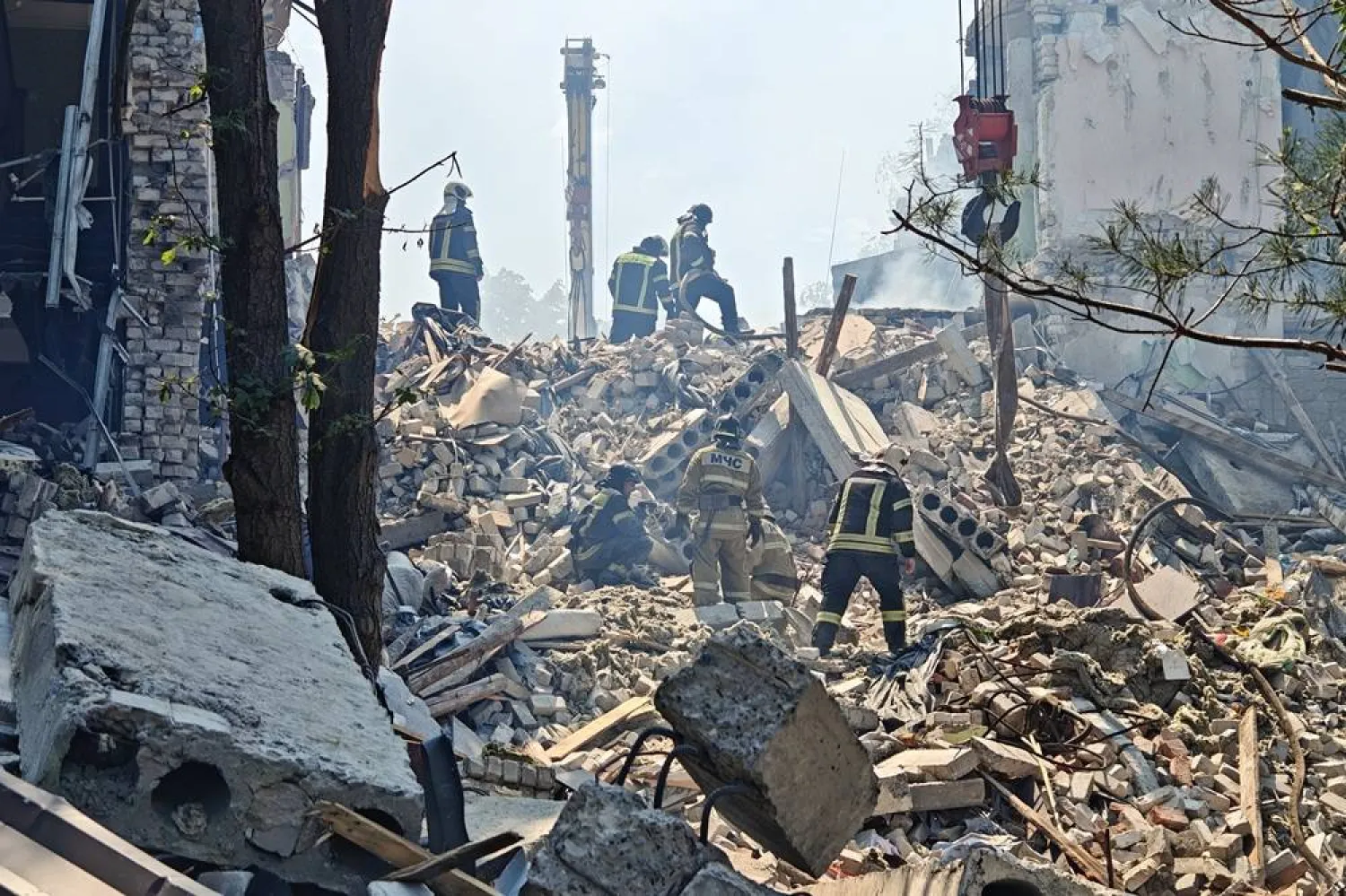
The town of Starobilsk, located in the Russian-occupied Luhansk region, became the center of global attention after early-morning explosions reduced parts of the Starobilsk Professional College to rubble. The five-story building, which housed a student dormitory, suffered massive structural damage in the strike. Russian state television broadcast extensive footage of the destruction, showing rescue teams digging through debris in search of survivors.
A heavily damaged sign reading “Starobilsk Professional College” stood out among the wreckage. Around it, emergency workers continued working through the night, racing against time to recover those still trapped beneath the collapsed sections of the building.
According to Russian officials, the attack killed 21 people and injured 42 more. As the names of the deceased students and their dates of birth flashed across Russian news bulletins, the tragedy quickly resonated across the country and beyond.
Survivors Tell Their Stories
Russian news broadcasts featured a number of survivors recovering in local hospitals. Among them was 21-year-old Olga Kovaleva, who had been trapped beneath the collapsed walls of the dormitory before being rescued by emergency teams.
The personal stories of the victims have added emotional weight to the political fallout, helping shape public opinion in Russia and giving the Kremlin a powerful narrative tool. Each survivor account has reinforced the human cost of the war, regardless of which side bears responsibility.
Russia Blames Ukraine, Ukraine Pushes Back
Russian officials wasted no time in pointing fingers at Ukraine, accusing Kyiv of carrying out a drone strike on the dormitory. Russian President Vladimir Putin labeled the attack a “terrorist strike” and stated firmly that there were no military assets, intelligence operations, or security services located near the building.
Putin emphasized that there was no justification for claiming the building was struck by Russian air defense or electronic warfare systems. His message was clear — Moscow believes Ukraine intentionally targeted a civilian site.
However, Ukraine’s General Staff offered a markedly different account. In a statement released after the attack, Kyiv confirmed that it had conducted an operation in the Starobilsk area during the night of May 21–22. According to the Ukrainian military, the strike targeted a Russian military unit, not the dormitory. Ukrainian officials have repeatedly maintained that they do not deliberately target civilian sites and that their operations focus on legitimate military objectives.
The Issue Reaches the UN Security Council
The events in Starobilsk quickly moved beyond the battlefield and into the halls of international diplomacy. Russia requested an emergency session of the United Nations Security Council, where Russian UN Ambassador Vasily Nebenzya denounced the strike as a violation of international humanitarian law and called it a war crime. He even held up photographs of the destroyed college during the meeting in an effort to draw attention to the tragedy.
However, Western and pro-Ukraine representatives pushed back firmly. The Danish representative argued that if Russia’s logic for calling the emergency session were applied to all the destruction Russia has caused in Ukraine, the UN Security Council would need to meet multiple times each day — including on weekends — to even begin addressing the scope of devastation.
The exchange highlighted the deep diplomatic divide surrounding the war and the increasingly difficult task of finding common ground at the international level.
Putin Orders a Response
In the hours following the attack, Putin ordered Russia’s defense ministry to propose a formal response. While details have not yet been revealed, analysts and officials are watching closely for what might come next. Given the rhetoric being used by Russian officials and pro-Kremlin commentators, the response could be significant — both militarily and politically.
Several developments are already raising concerns about future escalations:
- Russian commentators urging stronger action against Western nations
- Calls for symbolic but pointed military responses
- Increased political pressure inside Russia to demonstrate strength
- Warnings about expanding the geographic scope of retaliation
- Strategic posturing aimed at Western allies of Ukraine
These factors suggest that Russia’s response will not be limited to its usual targets and patterns.
Pro-Kremlin Voices Push for Broader Retaliation
The political environment in Moscow has been intensifying. Pro-Kremlin commentator Sergey Karaganov, honorary chairman of the Council on Foreign and Defence Policy, openly suggested that Russia should consider taking military action beyond Ukraine.
Speaking on state-run Vesti, Karaganov argued that Russia should begin “punishing Europe” for actions like the Starobilsk strike. He proposed beginning with symbolic strikes, but hinted that more serious actions could follow if tensions continue to grow.
While such suggestions are not the formal position of the Russian government, the frequency and tone of similar statements from influential commentators have raised concerns among Western intelligence agencies. Many analysts fear that even rhetorical escalation can pave the way for actions that broaden the war’s geography.
Rescue Operation Ends, but Tensions Linger
By late Saturday, Russian officials announced that the search and rescue operation in Starobilsk had been completed. While emergency teams worked relentlessly to locate survivors and recover those who lost their lives, the political and military aftermath continued to grow more intense.
Families of the victims have been left mourning, while the broader region remains uncertain about what comes next. For residents of Starobilsk and the wider Luhansk region, the war continues to dictate daily life in painful and unpredictable ways.
A Conflict Increasingly Defined by Civilian Tragedy
The Starobilsk strike is just one of many incidents that have shaped the human toll of the war. Both sides accuse the other of attacking civilian areas, and tragedies similar to this one continue to fuel diplomatic battles and propaganda wars on a near-daily basis.
For Russia, the strike has provided a major narrative tool. For Ukraine, it represents a moment where its military operations are being closely scrutinized on the international stage. Either way, the situation has made clear that the war is increasingly being fought in both physical and informational spaces.
Some of the broader issues raised by the Starobilsk incident include:
- The challenge of distinguishing military and civilian sites in war zones
- Concerns over international humanitarian law
- Rising tensions between Russia and Western nations
- The accuracy and intent of long-range strikes
- The diplomatic fallout from civilian casualties
These topics will continue to shape the war’s trajectory in the coming weeks.
Final Thoughts
The Starobilsk Drone Attack 2026 marks one of the most diplomatically charged incidents of the ongoing Russia-Ukraine war. With Russia issuing strong accusations, Ukraine offering a different version of events, and global powers engaging at the UN, the strike has triggered a multilayered crisis with far-reaching implications.
As the Kremlin signals possible retaliation and pro-Russian commentators push for an escalation that could extend beyond Ukraine, the international community faces growing concerns about regional stability. Meanwhile, the families of those killed in Starobilsk continue to mourn, caught in the middle of a conflict that shows no signs of slowing.
For now, the world watches anxiously, waiting to see how the situation unfolds — and how far the consequences of one tragic morning in Luhansk will reach.
Author