Taco Bell’s Diarrhea Problem: How a Lettuce Outbreak Threatens a Fast-Food Star
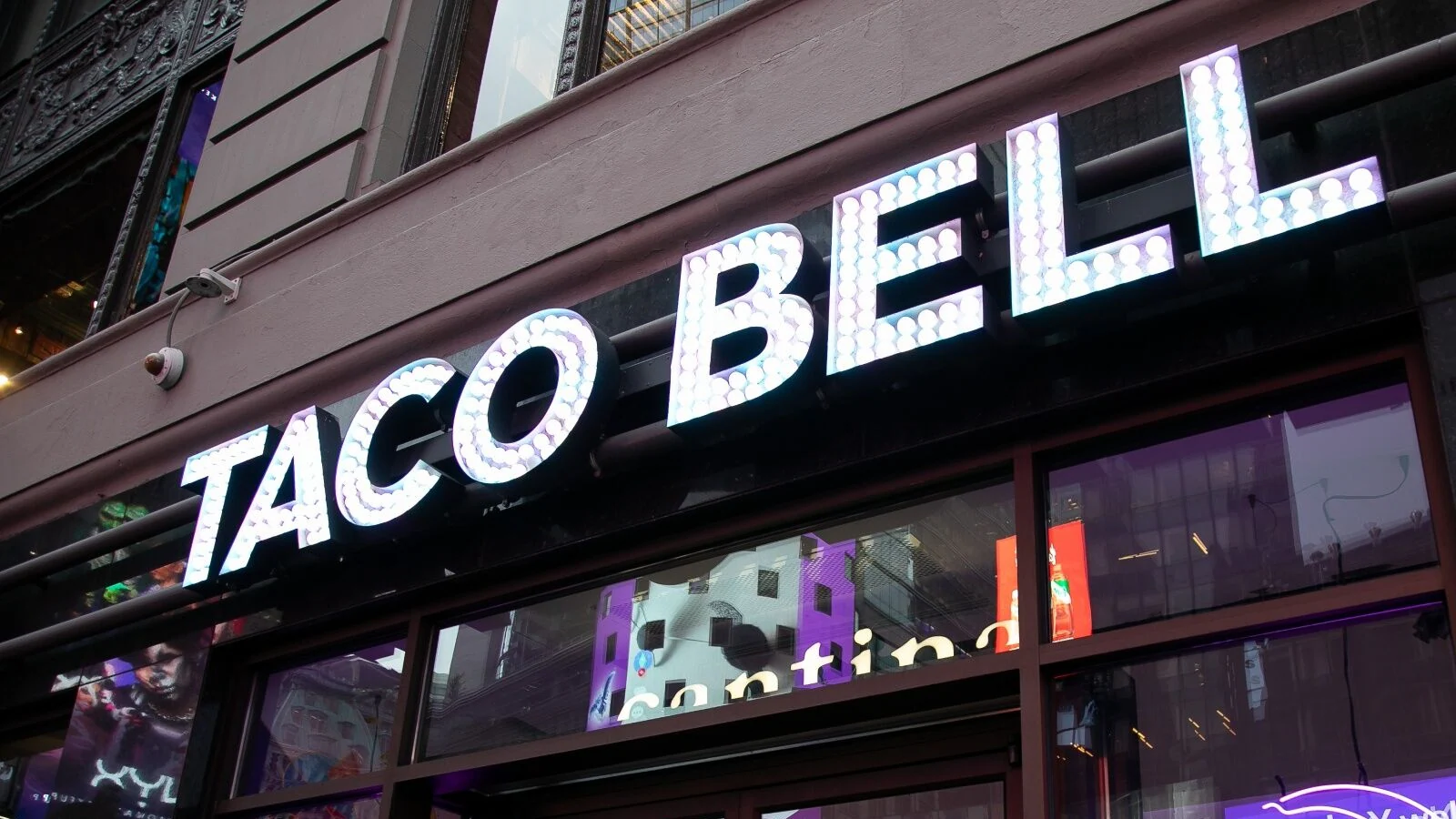
Taco Bell has spent years riding high as one of the brightest stars in the fast-food industry. Now, the chain faces a nightmare scenario that no restaurant wants to confront: its name is tangled up in a widespread outbreak of explosive diarrhea. The Taco Bell outbreak, linked to contaminated lettuce, threatens to undo a remarkable run of success and test the company’s ability to win back queasy customers.
What makes this crisis especially tricky is how neatly it collides with a reputation Taco Bell has long tried to shake.
A Parasite in the Lettuce
At the heart of the problem is shredded iceberg lettuce sold at some Midwestern Taco Bell locations, which has been connected to a massive cyclosporiasis parasite outbreak spreading across parts of the United States.
The scale of the outbreak is significant. The CDC has identified more than 1,600 cases, including nearly 100 hospitalizations, while states are investigating thousands more. According to a source familiar with the investigation, the lettuce was supplied to Taco Bell locations in Michigan, Ohio, West Virginia, Indiana, and Kentucky by Taylor Farms. Taylor Farms did not respond to requests for comment.
Taco Bell moved to contain the damage. On Thursday, the company said it had removed the potentially compromised lettuce from its nationwide supply chain as a precaution and pledged to find a replacement within 24 hours in certain states. In a statement, the chain said it was proud to have consistently acted quickly and proactively to protect its guests.
Yet as history repeatedly shows, fast-food customers can be a fickle bunch — and Taco Bell may have a great deal of work ahead to reassure grossed-out patrons, particularly those who actually fell ill.
A Business on a Hot Streak
The timing could hardly be worse, because Taco Bell had been performing exceptionally well. The company was in the middle of a genuine hot streak, with sales growing across its existing locations for eight consecutive quarters.
And these weren’t marginal gains. Taco Bell reported that sales at stores open at least a year grew a remarkable 8% in the first quarter, while profit at those same stores jumped 16%. To appreciate just how strong that is, consider how the competition fared over the same period:
- McDonald’s grew 3.8% by the same sales measure
- Burger King was up 5.8%
- Wendy’s actually fell 2.1%
Much of Taco Bell’s momentum has come from its value offerings, including several menu items priced at $3 or less. That affordability built real goodwill with budget-conscious diners — but as rivals have learned the hard way, such goodwill can evaporate in an instant.
Cautionary Tales From the Competition
Taco Bell doesn’t have to look far to see how quickly a foodborne illness can derail a thriving business. Two recent examples loom large.
In late 2024, McDonald’s was riding its own rebound until an E. coli outbreak traced to onions served on Quarter Pounders sickened more than 100 customers. The impact was immediate: McDonald’s sales in the fourth quarter of 2024 tumbled 1.4%, a sharp reversal after climbing 4.3% in the same quarter the year before.
Chipotle’s story from the previous decade is even more sobering. The company failed to contain a massive E. coli outbreak that began in 2015, suffering such severe reputational damage that it ultimately replaced its CEO and founder with Brian Niccol — who, in a twist of irony, had spent seven years as Taco Bell’s CEO. It took years for Chipotle’s sales to recover.
These cases underscore a hard truth: a single outbreak can wipe out momentum that took years to build.
The Response Will Define the Outcome
With those precedents in mind, experts say Taco Bell’s handling of the crisis will matter far more than the contamination itself. So far, the company has done more work in the kitchen than in the public arena.
Removing the affected lettuce was a necessary first step, but a brief statement posted to its website may not be enough to convince customers that the situation is under control. The contrast with McDonald’s is instructive. When faced with its E. coli crisis, McDonald’s spent $100 million on a publicity campaign and franchisee support program in 2024 to lure customers back. Its CEO, Chris Kempczinski, personally held a special media call and gave several interviews to calm fears and reassure both customers and investors.
Crisis communication experts argue that this kind of visible, personal response is exactly what Taco Bell now needs. As Evan Nierman, CEO of the global crisis PR firm Red Banyan, put it, customers don’t expect a global supply chain to be flawless, but they do expect candor, urgency, and accountability when something goes wrong. Whether this becomes lasting reputational damage, he said, will depend far more on Taco Bell’s response than on the lettuce itself.
Nierman found the company’s statements too guarded and impersonal for an outbreak of this magnitude. He suggested that an executive should provide regular updates and make themselves available to speak publicly about the company’s efforts. Taco Bell did not respond to questions about its planned response.
A Joke That Could Become a Judgment
There’s an additional layer that makes this crisis uniquely perilous for Taco Bell. The chain has long been the butt of jokes about its menu causing intestinal distress. Whether fair or not, that stigma already exists in the public imagination.
That’s precisely why an actual outbreak involving diarrhea is so dangerous for the brand. As Nierman explained, the outbreak collides with one of the oldest jokes about Taco Bell, and the company needs to move quickly before that joke hardens into a lasting judgment about the safety of its food.
In other words, a reputation that customers once laughed off could calcify into a genuine reason to stay away — a shift that would be far harder to reverse.
The Bigger Picture
Taco Bell’s predicament illustrates several realities of the modern fast-food business:
- Even the strongest sales momentum is vulnerable to a sudden food safety crisis
- Customers forgive supply chain failures more readily than they forgive poor communication
- A brand’s existing reputation can amplify or soften the blow of a crisis
- Transparent, human leadership often matters more than the initial mistake
Looking Ahead
For now, Taco Bell stands at a crossroads. The company has taken the essential operational step of pulling the contaminated lettuce, but the harder work of rebuilding trust lies ahead. If it fails to get in front of the issue with the kind of open, urgent response experts recommend, it risks squandering years of hard-won success.
The coming weeks will reveal whether Taco Bell can navigate this crisis as deftly as McDonald’s did, or whether it stumbles into the prolonged damage that once plagued Chipotle. What’s clear is that the outcome rests largely in the company’s own hands. In a business where customer loyalty is notoriously fragile, how Taco Bell chooses to respond may determine whether this outbreak becomes a brief stumble or a lasting stain on a once-shining brand.
Author