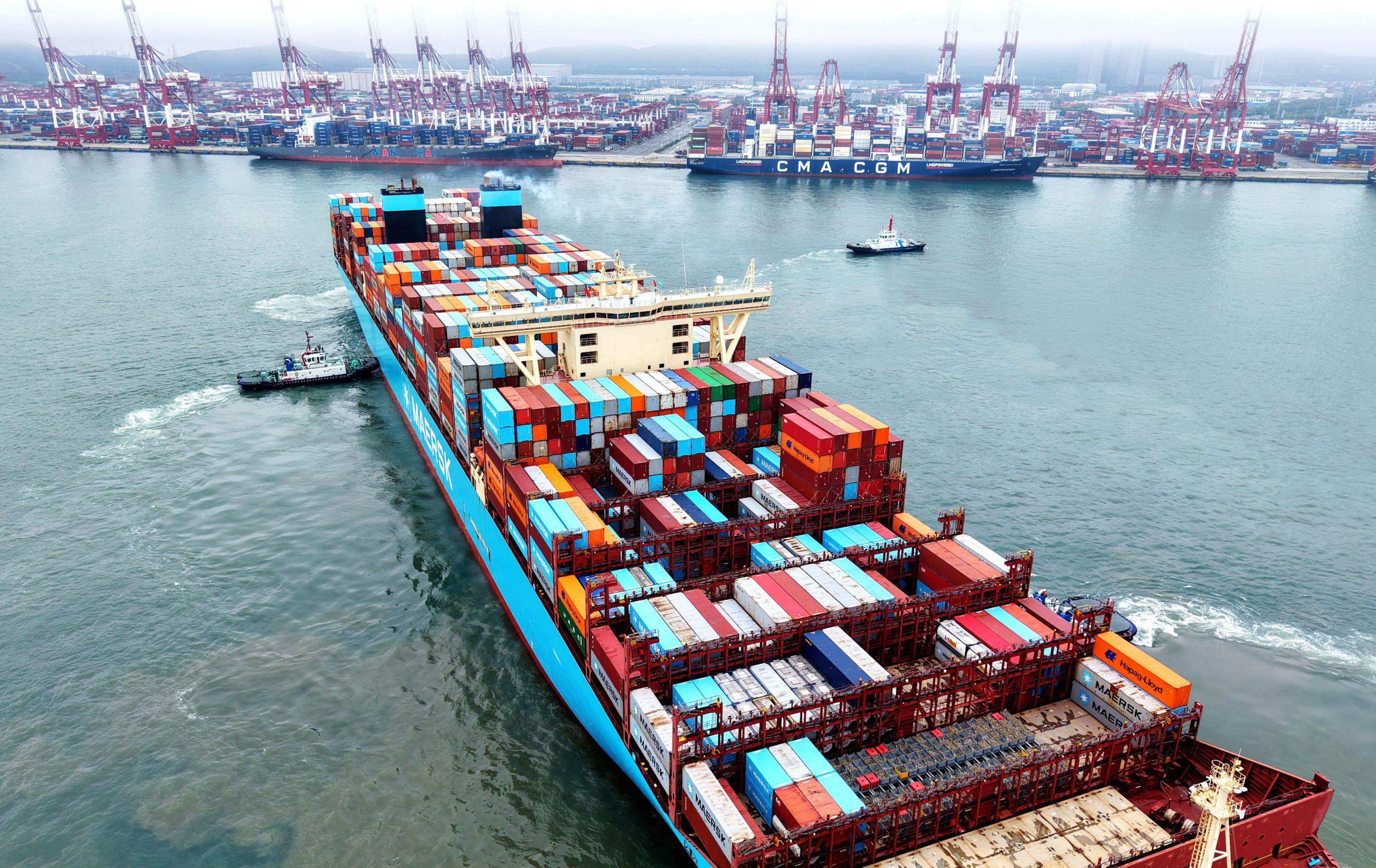
China tariff evasion transshipment is now the centrepiece of a new White House report accusing more than 40 countries of helping Beijing slip past American import duties. Published Thursday, the document alleges that Chinese goods have been quietly rerouted through nations facing lower tariff rates, costing the United States tens of billions of dollars.
Who Got Named
The list of countries is notable less for its length than for who appears on it. Canada, India, Mexico, Japan and South Korea — all significant American trading partners, several of them treaty allies — were among those identified.
The White House frames their role as facilitation rather than conspiracy, but the accusation is pointed: goods that should have carried higher duties entered the US at lower rates because they passed through these territories first.
Trade adviser Peter Navarro put the cost in stark terms, saying the practice had drained American jobs and billions in revenue.
The BBC has approached the US embassies of Canada, India, Mexico, Japan, South Korea and other partners named in the report for their responses.
What Transshipment Actually Means
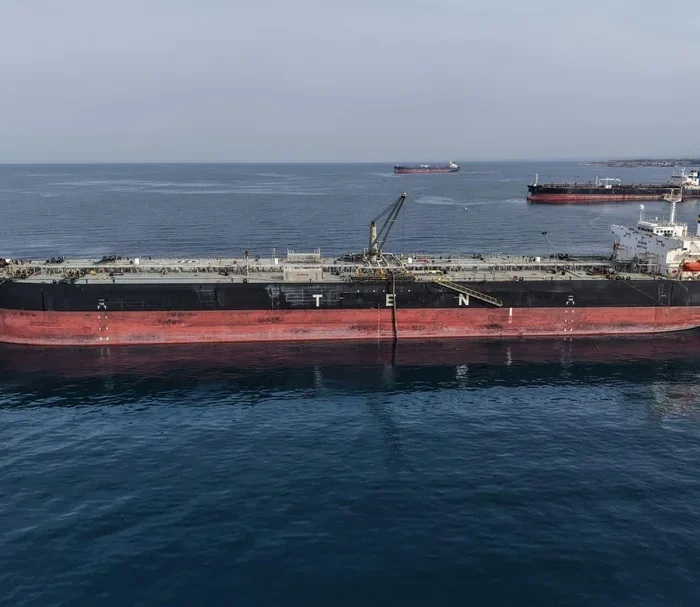
The mechanism at the centre of the dispute is not inherently illicit. Transshipment simply describes moving cargo through an intermediate country while it travels toward its final market. Global logistics depends on it.
The problem arises when the stopover exists to change the paperwork rather than the route.
According to the report, China has used third countries as staging points and repackaged goods to obscure where they were actually made, thereby qualifying for lower duty rates on arrival in the US. The White House characterised the practice bluntly as fraud dressed up in documentation.
The language throughout is deliberately dramatic. The report refers to what it calls the Great Transshipment Scam, arguing that what distinguishes the current situation is not just the pace and volume of this modern smuggling, but the reach, complexity and sophistication of what it terms a global Shadow Transshipment Network carrying China’s tariff evasion.
The Numbers Are Very Wide
One striking feature of the report is the uncertainty in its own estimates.
Drawing on both government and private sector figures, the White House puts the value of goods moved from higher-tariff jurisdictions through lower-tariff ones somewhere between $30 billion and roughly $300 billion.
That is a tenfold spread, and it tells its own story. Tracing origin through repackaging and multiple handoffs is genuinely difficult, and the range reflects how much of this activity remains estimated rather than documented.
Washington says it has begun deploying artificial intelligence tools to identify transshipment patterns — an acknowledgement that traditional customs methods have struggled to keep pace.
Beijing’s Response
A spokesperson for the Chinese embassy in Washington offered a familiar framing, saying trade wars produce no winners and voicing opposition both to the US tariff measures and to the use of state power against Chinese companies.
The more interesting element of the reply concerned third parties. The spokesperson said any unilateral action or agreement dealing with transshipped goods must not target or damage the interests of countries not party to the dispute.
That is a direct appeal to the 40-plus nations named. If those countries come under American pressure to tighten origin verification, Beijing’s argument is that they are being made to absorb the costs of a bilateral quarrel.
Timing Ahead of a Summit
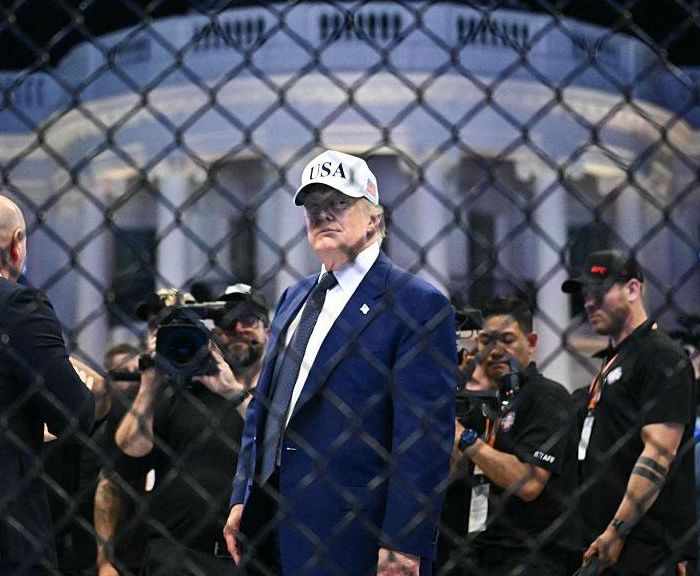
The report lands only weeks before President Donald Trump is scheduled to host Chinese leader Xi Jinping in Washington in September.
Whether that timing is coincidental or tactical, the effect is the same. The transshipment allegations now sit on the table as a live grievance heading into the meeting, alongside existing friction.
Relations have remained tense despite a pause on most tariffs agreed after talks in May 2025. Since then the two sides have continued trading restrictions, including American limits on humanoid robots entering the US and tighter Chinese controls on drone exports.
The Legal Backdrop
There is a complication running underneath all of this.
In April 2025, Trump announced sweeping levies on dozens of trading partners, acting on his long-standing conviction that tariffs strengthen American employment and the wider economy.
Those measures were subsequently struck down by the US Supreme Court. Rather than abandoning the policy, the administration has repeatedly reintroduced tariffs using different legal authorities.
That pattern matters for how this report should be read. Enforcement against transshipment depends on the underlying tariff structure holding up, and that structure has already been rebuilt once after judicial rejection.
Why This Is Hard to Solve
Transshipment enforcement runs into a practical wall that no amount of rhetoric removes.
Determining a product’s true origin means tracing components, assembly steps and value added across multiple jurisdictions. A product might contain Chinese parts, undergo finishing in a third country, and be shipped from a fourth. Rules of origin exist to sort this out, but they are technical, vary by agreement, and can be gamed at the margins.
Genuine relocation of manufacturing looks superficially similar to paper relocation. Distinguishing the two requires factory-level verification that customs agencies rarely have the resources to perform at scale.
That is precisely why the report emphasises AI tools — pattern detection across shipping data is cheaper than inspection.
What Comes Next
Three things are worth watching.
First, whether named countries face concrete consequences or merely diplomatic pressure to tighten their own verification systems.
Second, whether transshipment becomes a formal agenda item at the September meeting or remains background noise.
Third, whether the wide estimate range narrows. A credible enforcement case eventually needs a number closer to $30 billion or $300 billion, not a figure that spans both.
For now, the report functions as much as a negotiating position as an enforcement document — and everyone involved appears to understand it that way.
Author
-
Lucienne Albrecht is Luxe Chronicle’s wealth and lifestyle editor, celebrated for her elegant perspective on finance, legacy, and global luxury culture. With a flair for blending sophistication with insight, she brings a distinctly feminine voice to the world of high society and wealth.