The DOJ subpoenas New York Times reporters received have become a flashpoint over press freedom, and on Friday President Donald Trump made clear he has no regrets about them — even as court filings revealed the investigation reached further than previously known.
The president’s remarks came one day after the Justice Department informed a federal judge in New York that it was pulling back the subpoenas, which had sought grand jury testimony from Times journalists along with their phone records. At the center of the probe is a leak concerning security vulnerabilities on the president’s new Air Force One aircraft, a plane donated by Qatar. The Times reported on those concerns earlier in July.
A Judge Forced the Retreat
The withdrawal was not entirely voluntary in spirit. Judge Arun Subramanian had signaled on Thursday that if prosecutors declined to pull the subpoenas themselves, he intended to quash them from the bench.
Faced with that warning, the department stepped back. But the retreat was procedural rather than philosophical — as the president’s comments the following day made plain.
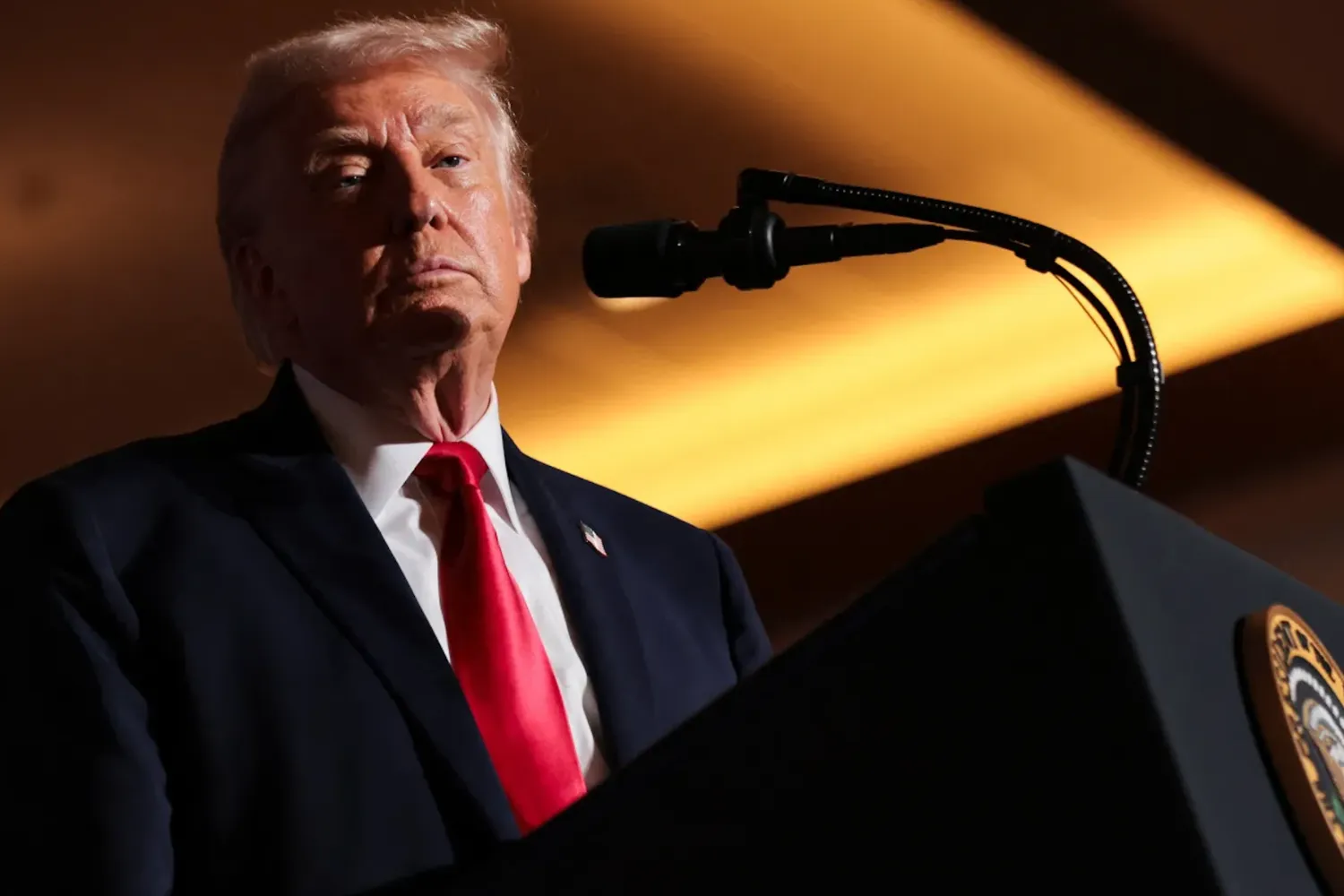
Trump: “We’re Not After Journalists”
Speaking to reporters in the Oval Office on Friday, Trump drew a distinction between the press and the people who talk to them.
He said the administration is not pursuing journalists but rather the individuals who leak sensitive material, describing them as cowards, unpatriotic and in some instances treasonous. Then he added the line that captures why the case alarms press advocates: the way you locate those people, he said, is through journalists.
Trump elaborated on the logic. In his view, when a leak touches national security, the appropriate step is to go to the reporter and ask directly who the source was. He said the case still has considerable distance to travel.
That framing sits at the heart of the dispute. Reporters generally regard the confidentiality of sources as foundational to their work — the argument being that without it, whistleblowers and insiders simply stop talking, and the public loses access to information about how power is exercised. The president’s position treats the journalist as an investigative shortcut rather than a protected party.
Google Was Pulled In Too
While Trump was speaking, an unrelated door opened in Manhattan federal court.
On the judge’s order, a letter from Google’s attorneys was unsealed. It disclosed that on July 16, a grand jury acting at the Justice Department’s request issued Google a subpoena seeking subscriber details tied to a specific phone number.
The timing is notable. That subpoena went out one day after lawyers for the Times filed their motion to quash the subpoenas aimed at the paper’s reporters.
Alongside the subpoena, Google received a non-disclosure order barring the company from informing the account holder that their information had been demanded.
The Fight Over Secrecy
In their Friday letter, Google’s lawyers asked Subramanian to throw out that non-disclosure order. Their argument rested on the First Amendment, contending that gagging the company from telling a user about a government demand violated free speech protections.
They also pointed to an admission from the government itself. According to the letter, prosecutors acknowledged that when they applied for the non-disclosure order, they inadvertently included language describing the investigation as not public — despite the fact that the investigation’s existence was already publicly known at that time.
That detail matters because non-disclosure orders are typically justified on the grounds that secrecy protects an active probe. If the probe was already public, the rationale weakens considerably.
Subramanian agreed to vacate the order, according to a court filing.
Why This Case Draws Attention
Leak investigations touching reporters are not new. Administrations of both parties have pursued them, and the Justice Department has periodically adopted internal policies limiting when prosecutors may seek records from news organizations — policies that have been tightened and loosened repeatedly over the past two decades.
What distinguishes this episode is the openness of the reasoning. Rather than framing the subpoenas narrowly as a last resort after other investigative avenues failed, the president publicly described going through journalists as the method for identifying sources.
The subpoena to Google adds another dimension. Demands sent to technology companies rarely surface publicly, precisely because non-disclosure orders keep them quiet. In this instance, the order was challenged and lifted, offering a rare glimpse at how a leak investigation can extend outward through third parties who hold the digital records of the people under scrutiny.
What Remains Unresolved
Several threads are still open. The identity of the phone number’s subscriber has not been disclosed publicly. It is not clear whether investigators obtained the information they sought from Google before the disclosure order was vacated. And the underlying leak investigation itself continues, with Trump indicating the administration considers it far from finished.
The Times has not been relieved of scrutiny in any permanent sense either. Withdrawing subpoenas does not preclude the department from returning with narrower ones later, or from pursuing the source through other channels entirely.
For now, the practical outcome is modest: the subpoenas to reporters are gone, one secrecy order has been lifted, and a debate that has flared for years about where national security ends and press protection begins has been reopened in unusually blunt terms.
Author
-
Lucienne Albrecht is Luxe Chronicle’s wealth and lifestyle editor, celebrated for her elegant perspective on finance, legacy, and global luxury culture. With a flair for blending sophistication with insight, she brings a distinctly feminine voice to the world of high society and wealth.