Russia attacks on shipping have moved into a new and more dangerous phase, with a Ukraine-bound gas tanker struck near Romania’s coast and the Kremlin explicitly promising more of the same.
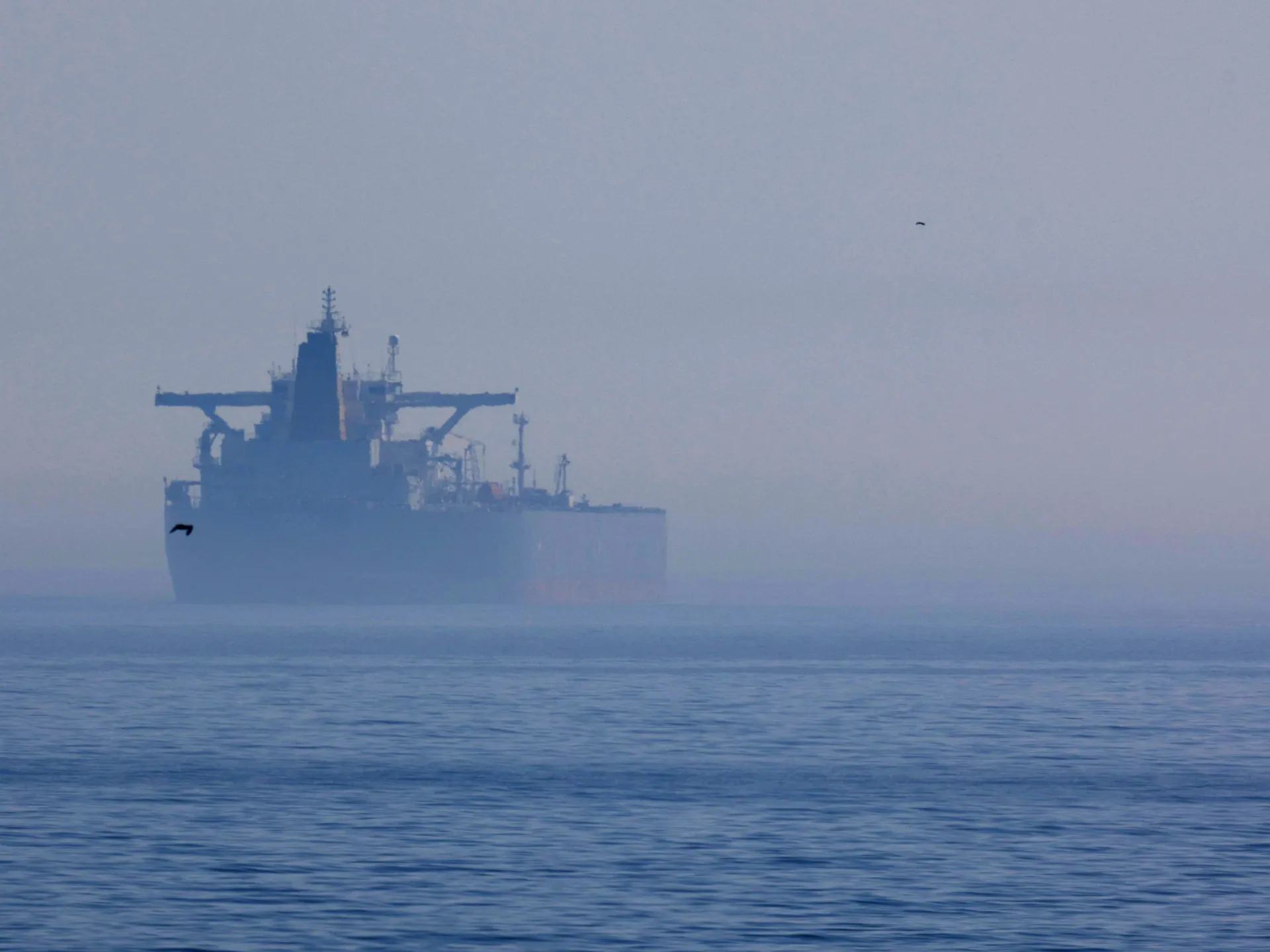
The strike hit a Liberian-flagged vessel sailing from Egypt to Ukraine. Romanian President Nicusor Dan said the attack was likely connected to Russia’s war, and three people were reported injured.
Why the Location Matters
Romania is not a party to this war. It is a member of both the European Union and NATO, and it shares a border with Ukraine.
Officials there have documented repeated incidents this year in which Russian and Ukrainian drones breached Romanian airspace and territorial waters. A strike on a vessel near its coast pushes that pattern further.
The proximity of NATO territory to an active strike is precisely the kind of development that alliance planners watch closely, even when no Article 5 threshold is approached.
Moscow States Its Intent
Kremlin spokesman Dmitry Peskov left little ambiguity on Tuesday, saying Russia would not stop striking vessels that supply Ukraine’s military.
That statement converts what might have been read as isolated incidents into declared policy. Any commercial operator moving cargo to Ukrainian ports now does so knowing the targeting is deliberate.
The Golden Leo
An earlier attack demonstrated what that policy costs.
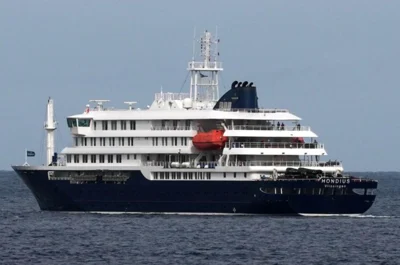
Ukraine said Russia struck the Golden Leo, a Guinea-Bissau-flagged ship, with three cruise missiles on Sunday as it departed the southern port of Odesa.
The crew was composed of Indian and Syrian nationals. India has confirmed four of its citizens were killed.
That detail carries diplomatic weight beyond the immediate tragedy. Commercial shipping crews are drawn from across the world, and strikes on merchant vessels inevitably kill people whose governments have no stake in the conflict.
Casualties Cross Borders in Both Directions
The same dynamic played out in the opposite direction.
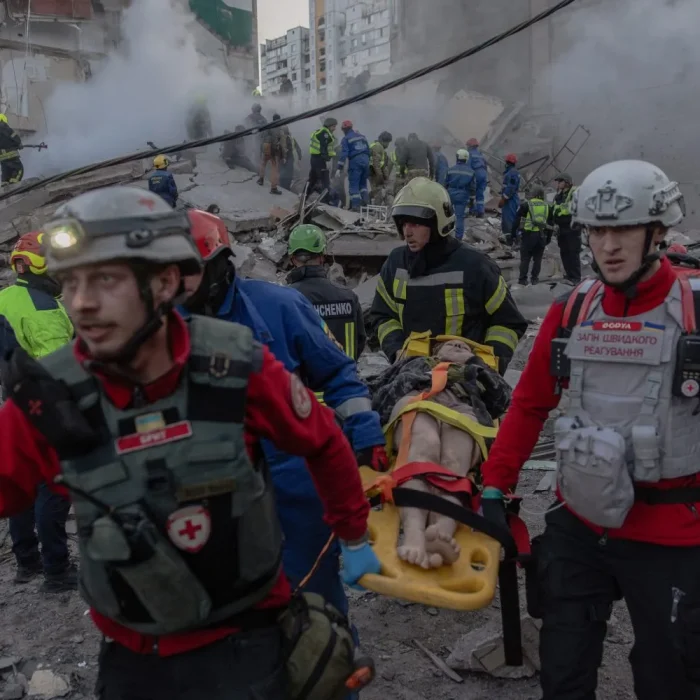
Chinese state media reported Tuesday morning that at least three Chinese nationals were wounded in a major Ukrainian drone attack on Moscow.
Officials said Monday morning’s assault involved roughly 400 unmanned aerial vehicles, a scale that makes precision difficult and civilian exposure likely.
Two separate incidents, two sets of third-country nationals harmed. Neither Beijing nor New Delhi is a combatant, and both now have citizens counted among the war’s casualties.
Odesa Under Sustained Pressure
The southern Ukrainian region has absorbed heavy losses this month.
The regional governor reported that Russian strikes killed 28 people in the Odesa region during July.
That figure reflects the same strategic logic behind the maritime attacks. Odesa is Ukraine’s principal port, and pressure on the city and its surrounding region complements pressure on the ships moving through it.
Financial Support Continues
Amid the escalation, Ukraine received one piece of stabilizing news.
The International Monetary Fund approved $690 million for Ukraine following a program review.
That funding matters for reasons beyond the headline number. IMF disbursements are conditional on a country meeting reform benchmarks, and approval signals that Ukraine’s economic governance is holding up under wartime conditions.
Political Turbulence in Kyiv
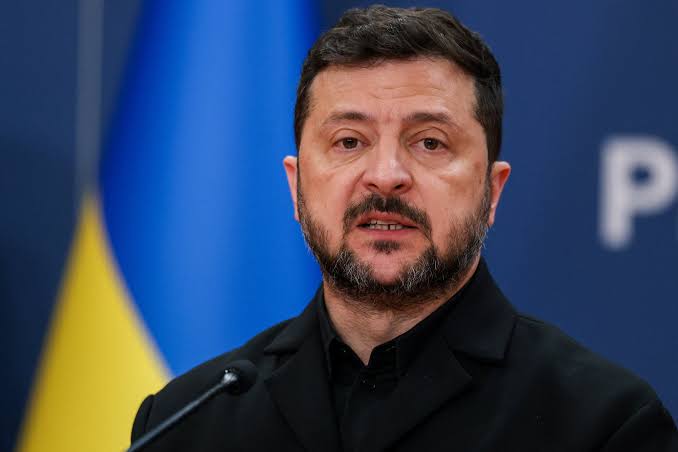
Zelensky met with military commanders as street protests continued against the army chief.
The demonstrations began after Defense Minister Mykhailo Fedorov’s dismissal and have persisted, creating an unusual situation where public pressure is shaping high-level military personnel decisions during active hostilities.
That domestic instability sits awkwardly beside the operational demands the war is placing on Ukrainian command.
A New Voice in London
Zelensky said he spoke with Andy Burnham shortly after the new British prime minister took office in London.
Britain has been among Ukraine’s most consistent supporters, and early contact with a new government is standard practice for Kyiv, which has invested heavily in maintaining relationships across changes in Western leadership.
Burnham inherits that relationship along with everything else on his desk.
What the Maritime Campaign Signals
Stepping back, the shift toward attacking shipping tells you something about Russian strategy.
Striking military targets inside Ukraine has not ended the war. Striking the supply chain that reaches Ukraine is a different approach, one aimed at making commercial actors unwilling to serve Ukrainian ports at all.
It is a campaign against insurance rates and crew willingness as much as against cargo.
The complication is that this strategy generates casualties among nationals of countries Russia would prefer not to antagonize. Four Indians are dead. Three Chinese nationals are wounded on the other side of the ledger.
Both governments have maintained working relationships with Moscow throughout this war. Whether that survives an accumulating body count among their citizens is a question the Kremlin’s stated policy has now put in play.
Where Things Stand
The war has expanded into the Black Sea in a way that touches NATO waters, third-country crews and global commercial shipping simultaneously.
Peskov’s statement means this is not a temporary escalation to be waited out. It is the announced direction of travel, and the shipping industry will price it accordingly.
Author