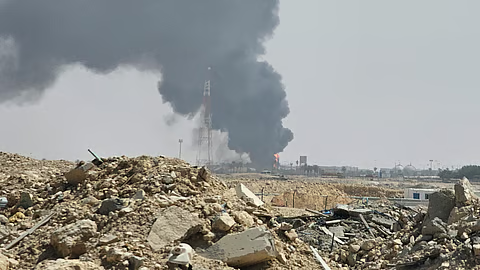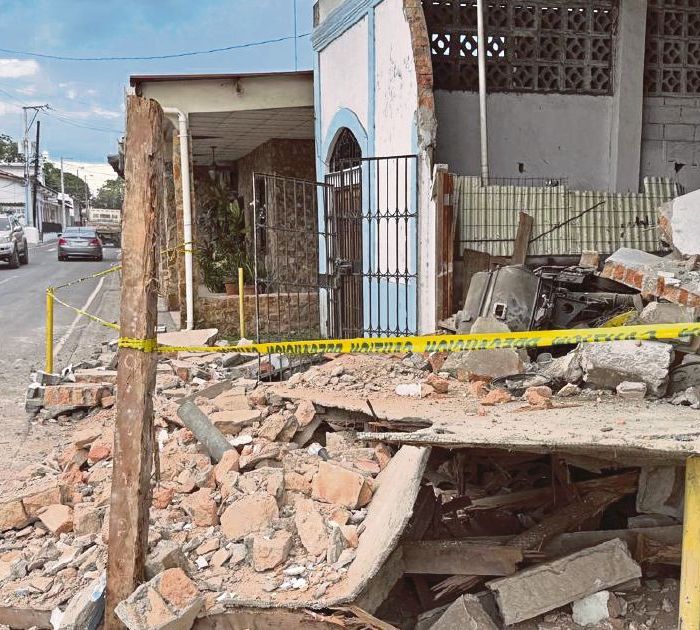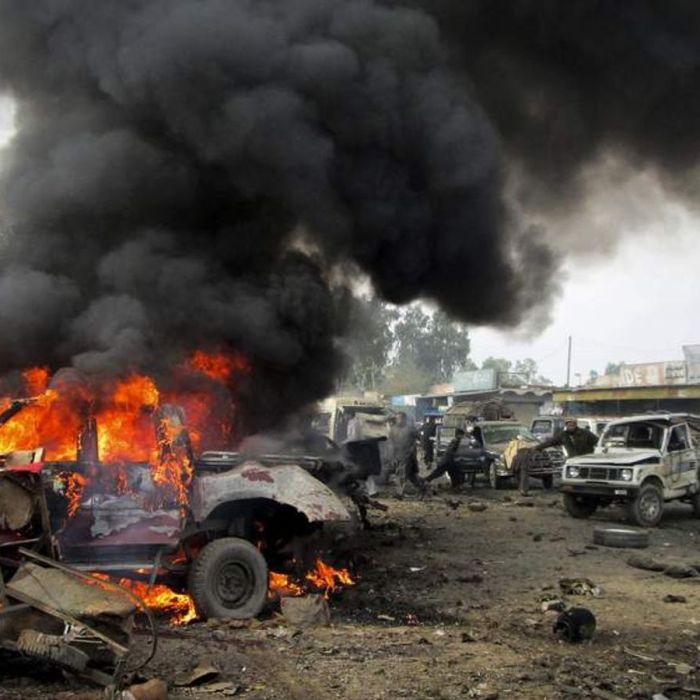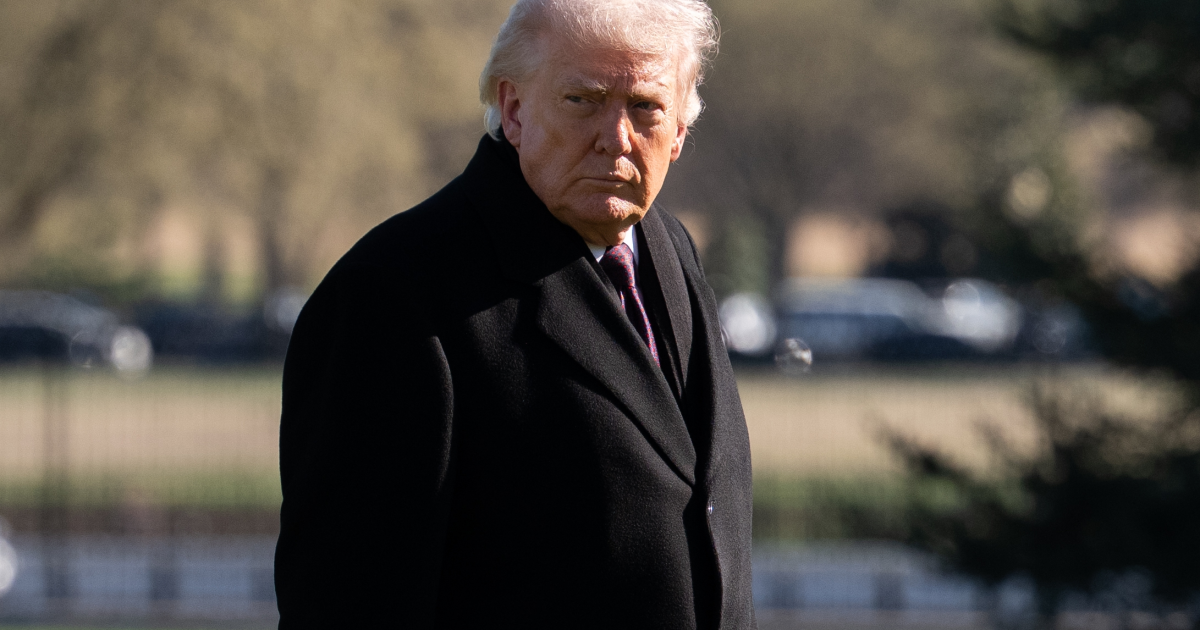
Trump threatens to bomb Iran’s bridges and power plants next week unless Tehran returns to the negotiating table, marking a dramatic escalation in a conflict that has already dragged both nations into their fourth consecutive day of exchanging fire. The warning, delivered during a Fox News interview, has raised alarm over the targeting of civilian infrastructure and sent oil markets into a sharp climb as the standoff over the Strait of Hormuz intensifies.
A Blunt Ultimatum
US President Donald Trump left little room for interpretation in his latest remarks. He declared that the coming week would bring severe consequences for Iran, vowing to destroy the country’s power plants and bridges if its leaders refused to negotiate.
Trump indicated that energy targets would be saved for last but insisted they would ultimately be struck. According to him, US negotiators had already delivered a stark message to their Iranian counterparts, warning that Tehran had better reach a deal or risk losing everything.
This isn’t the first time Trump has floated such threats. Back in April, he raised the possibility of bombing Iranian civilian infrastructure, including the very bridges and power plants he referenced again this week.
Warnings of a War Crime
The renewed threats have reignited serious legal and humanitarian concerns. When Trump first raised the idea earlier this year, UN human rights chief Volker Türk warned that deliberately attacking civilians and civilian infrastructure constitutes a war crime under international law.
The concern is grounded in longstanding legal frameworks. The 1949 Geneva Conventions, which govern humanitarian conduct during war, prohibit attacks on facilities deemed essential to civilian life. Power plants and bridges, which communities depend on for daily survival, fall squarely within that protected category.
Escalating Strikes on Both Sides
The heated rhetoric came alongside a fresh wave of military action. Hours before Trump’s interview aired, the US military launched a seven-hour barrage of strikes on Iran and reinstated a blockade of its ports.
US Central Command reported hitting dozens of Iranian military targets near the Strait of Hormuz, saying the goal was to weaken Iran’s ability to threaten commercial shipping and civilian crews. In response, Iran fired missiles and drones at US targets across Jordan, Kuwait, and Bahrain, according to Iranian state media.
The regional fallout was immediate:
- Kuwait’s military said it was intercepting Iranian attack drones in the early hours of Wednesday.
- Bahrain activated air raid sirens and urged residents to seek safe shelter.
- Kuwaiti forces described actively engaging hostile drones amid what they called Iranian aggression.
The US also accused Iran of deliberately targeting civilians, alleging that attacks on seven commercial ships left nearly a dozen crew members dead, missing, or injured. The United Arab Emirates reported that Iranian cruise missiles struck two national tankers, killing an Indian crew member and wounding eight others, four of them seriously.
Iran’s Islamic Revolutionary Guard Corps confirmed some of the strikes, claiming two tankers had ignored warnings, switched off their navigation systems, and tried to pass through a mined route. It remained unclear which additional attacks US officials were referring to.
The Battle Over the Strait of Hormuz
At the heart of the crisis lies the Strait of Hormuz, one of the world’s most strategically vital waterways. The renewed fighting has caused tanker traffic through the strait to grind nearly to a halt, sending oil prices climbing sharply.
The situation highlights just how much leverage control over the strait provides. Iran has accused the US of interfering in its management of the passage, while Washington’s grip on the waterway gives Tehran the power to threaten the global economy in return.
On Monday, Trump declared the US the “guardian” of the Strait of Hormuz and initially proposed a 20% charge on all cargo passing through it to cover the cost of protection. He later reversed that decision, announcing instead that the fee would be replaced by what he described as massive trade and investment deals with Gulf states.
Writing on Truth Social, Trump said these investments would be enormous while also benefiting the Gulf nations and their futures, though he offered no further details. He added that the strait remained open to all shipping except Iran’s, crediting American military power for keeping oil flowing.
Speaking after meeting with the new Iraqi Prime Minister Ali al-Zaidi in Washington, Trump admitted he disliked the concept of a fee but argued it was unfair for the US to protect the strait for the entire world without compensation. He said he abandoned the original plan after fielding numerous calls from Gulf leaders.
Iran Refuses to Back Down
Tehran has responded with defiance. Iran insisted it would remain in control of the Strait of Hormuz, rejecting the notion that pressure would force it into talks.
Iran’s Deputy Foreign Minister Kazem Gharibabadi said Trump’s decision to reinstate the blockade had effectively dismantled an earlier truce. He warned that the US was mistaken if it believed tightening military and economic measures would push Iran back to negotiations.
A History of Pressure
The current blockade is not the first. The US initially blocked all Iranian ports in April to pressure Tehran, later reporting that it had redirected 100 commercial vessels and disabled four during that period. The blockade was lifted in June as part of a memorandum of understanding meant to end the conflict, but the ongoing dispute over the strait has become a central sticking point.
Today, shipping data shows traffic through the strait has slowed to a two-month low, while the benchmark Brent Crude oil price continues to surge. With both sides refusing to yield and civilian infrastructure now openly under threat, the path back to diplomacy appears increasingly narrow.
Author