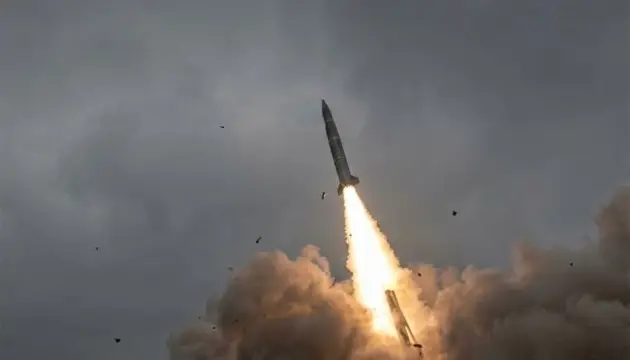
A Moscow drone attack involving at least 620 aircraft struck the Russian capital region overnight, marking the second consecutive night of large-scale aerial assaults from Ukraine. Mayor Sergei Sobyanin reported the figures and said Russian forces brought down at least 180 of the drones over the region.
The volume of incoming aircraft forced authorities to temporarily restrict flights at Moscow’s airports, according to Sobyanin.
Two Nights, Two Waves
Coming immediately after a comparable assault the previous night, the strike reflects a shift in how Ukraine is prosecuting the war. Rather than isolated long-range operations, Kyiv has moved toward sustained, high-volume waves aimed at the Russian interior.
The tactical logic behind mass launches is straightforward. Air defence systems can engage only a limited number of targets at once, and interceptors are expensive relative to the drones they destroy. Saturating a defensive zone increases the odds that some aircraft reach their objectives while imposing significant cost on the defender.
The interception figure Sobyanin gave — roughly 180 out of 620 in the Moscow region alone — indicates how much material each night’s defence consumes.
Disruption Beyond the Damage
Airport restrictions capture an effect that goes beyond whatever any individual drone destroys.
Halting air traffic over a capital city of more than 12 million people ripples outward quickly: delayed passengers, diverted aircraft, disrupted cargo schedules and knock-on effects across the domestic aviation network. That disruption occurs whether or not a single drone reaches a target.
For a country attempting to project normalcy at home, repeated interruptions of that kind carry weight independent of physical destruction.
Russia Turns Its Attention to London
Before the latest wave, Moscow issued a warning to Britain, alleging that Ukraine used UK-manufactured drones to strike targets deep inside Russian territory.
The Russian embassy in London accused Britain of deliberately choosing to escalate the crisis, and said London’s actions would inevitably carry consequences for which it would have to answer.
The statement offered no indication of what those consequences might involve. Deliberate vagueness of this type allows a government to apply pressure while preserving room to do nothing.
Britain’s Reply
The UK Ministry of Defence did not soften its position. A spokesperson told BBC News that Britain stands shoulder to shoulder with Ukraine.
Russia should have no doubt about this government’s resolve to stand against Russian aggression, the spokesperson said — in Ukraine, and against the UK and its allies.
That phrasing does two things at once. It reaffirms support for Kyiv and simultaneously signals that Britain treats threats directed at itself as part of the same confrontation rather than a separate matter.
The Argument Underneath the Threat
Moscow’s complaint rests on a claim it has advanced repeatedly throughout the war: that nations supplying weapons used against Russian territory become participants in the conflict rather than observers.
Western governments reject that reasoning. Their position holds that arming a state defending itself against invasion is lawful assistance, and that the origin of a weapon does not transfer responsibility for its use.
The disagreement is not academic. It shapes how far suppliers are willing to go and what restrictions, if any, they place on how their equipment is used — questions that have shifted considerably since the early phase of the war.
Where the Campaign Stands
Ukraine’s strategy of striking deep into Russia serves purposes the front lines cannot deliver. Ground positions have moved relatively little given the scale of fighting, while long-range attacks target the infrastructure sustaining the Russian war effort and economy.
Several factors make this approach attractive to Kyiv:
- Drones cost far less than the systems used to intercept them
- Targets in the Russian interior are numerous and difficult to defend comprehensively
- Attacks inside Russia carry political weight beyond their material effect
- Domestic Ukrainian production reduces dependence on foreign approval for each strike
That final point matters increasingly. Ukraine has expanded its own drone and missile manufacturing, giving it capability that does not require negotiating usage conditions with partners.
What to Watch
Whether Russia acts on its warning to Britain is the immediate open question, and history suggests such statements more often serve as messaging than as preludes to action.
The more consequential development is the tempo of the attacks themselves. Two consecutive nights of this magnitude points to production and logistics capable of sustaining the pace — which would represent a meaningful change in the shape of the war rather than a pair of isolated operations.
Author
-
Lucienne Albrecht is Luxe Chronicle’s wealth and lifestyle editor, celebrated for her elegant perspective on finance, legacy, and global luxury culture. With a flair for blending sophistication with insight, she brings a distinctly feminine voice to the world of high society and wealth.