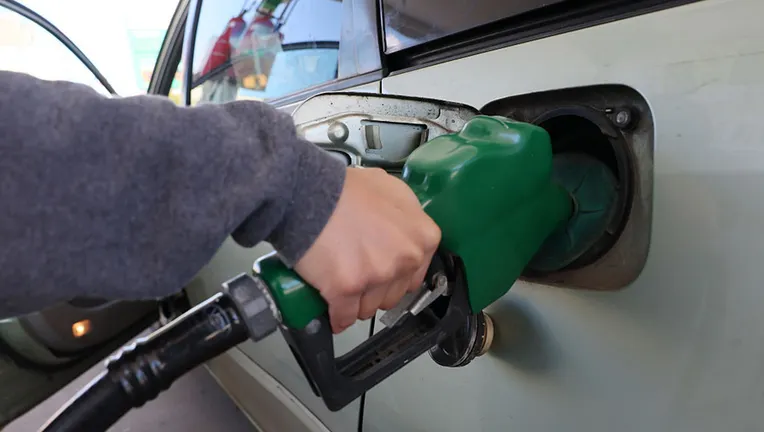
US Federal Gas Tax Suspension Considered as Iran War Drives Fuel Prices Higher
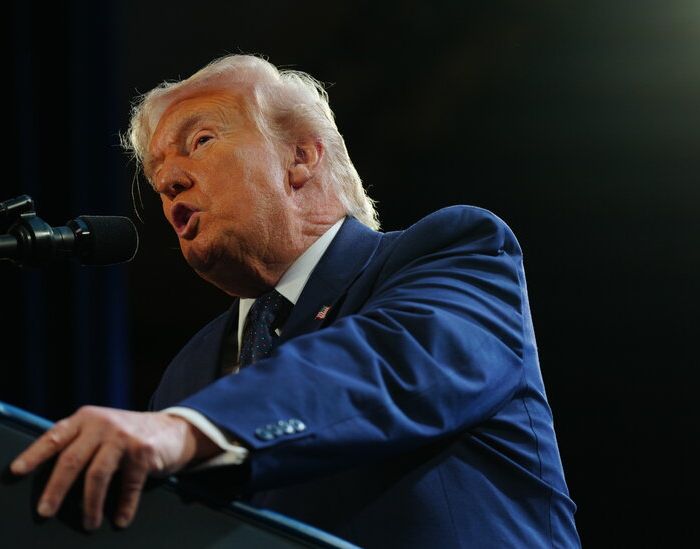
Federal Gas Tax Suspension is now being openly discussed inside the Trump administration as soaring fuel prices put a serious squeeze on American households. With the Iran war disrupting global oil supplies and gas prices climbing well above comfortable levels, the White House is exploring every option to bring some relief at the pump.
The big question many drivers are asking is whether pausing the federal gas tax would actually make a meaningful difference, or if it’s more of a symbolic gesture than a real fix.
Energy Secretary Floats the Idea
The proposal entered the public conversation over the weekend when Energy Secretary Chris Wright appeared on NBC’s Meet the Press on May 10. When asked directly about the possibility of pausing the federal gas tax, Wright signaled that nothing is off the table.
He said the administration supports any measure that can bring fuel prices down and ease the financial burden on American families. While he stopped short of confirming an official decision, his comments made it clear that the idea is being taken seriously inside the White House.
Why the Federal Gas Tax Exists
Before diving into the suspension debate, it helps to understand what the federal gas tax actually pays for. The money collected from drivers each time they fill up funds a wide range of critical infrastructure work, including:
- Highway repair and maintenance
- Bridge upgrades and replacements
- Various federal transportation projects
According to the US Energy Information Administration, the current federal gas tax sits at 18.3 cents per gallon for regular gasoline and 24.3 cents per gallon for diesel fuel. An additional small fee of 0.1 cent per gallon goes toward cleaning up leaking underground storage tanks.
Suspending the tax would offer modest savings per gallon, but it would also pull funding away from infrastructure projects that many states already struggle to finance.
States Already Acting on Their Own
While Washington debates, three states have already taken matters into their own hands. Utah, Indiana, and Georgia have each either partially or fully suspended their state gas taxes in response to skyrocketing fuel prices.
Indiana made the move in early April under Governor Mike Braun, citing the Iran conflict as a major driver of pain at the pump. Georgia followed with its own motor fuel tax suspension, and Utah has been rolling out additional measures including agreements on fuel supply, water, and refining.
These state-level actions show that political leaders are feeling pressure from voters who are watching their gas budgets balloon.
Michigan Drivers Among the Hardest Hit
The pain is being felt unevenly across the country. As of Monday, May 11, Michigan residents were paying some of the highest fuel prices in the United States. According to AAA data:
- National average for regular unleaded: 4.52 dollars per gallon
- Michigan average for regular unleaded: 4.72 dollars per gallon
Within Michigan, the highest average prices were concentrated in the northern Lower Peninsula, while the western two-thirds of the Upper Peninsula reported some of the lowest prices in the state.
Michigan drivers also face hefty state-level taxes on top of federal levies. The state’s motor fuel taxes currently sit at 52.4 cents per gallon, according to the Michigan Department of Treasury.
A Recent Shift in How Michigan Taxes Fuel
Before 2026, Michigan used a different formula. Drivers paid 31 cents per gallon in motor fuel taxes, plus a 6 percent sales tax that automatically rose along with fuel prices. Under that system, drivers ended up paying more in taxes every time gas got more expensive, which compounded the pain during price spikes.
The bulk of these state fuel tax dollars feeds into the Michigan Transportation Fund, which supports state highways, county roads, and other transportation needs. A small slice, about 2 percent, also funds local recreation projects.
What’s Driving Prices So High Right Now
There are two main reasons fuel costs have climbed so sharply in recent weeks.
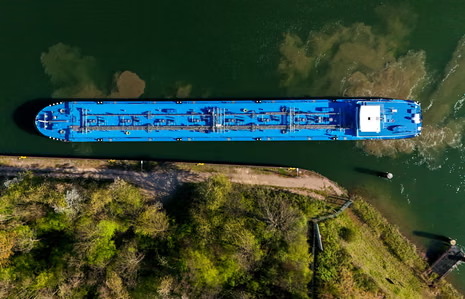
The first and biggest factor is the Iran war. Roughly 20 percent of the world’s oil and gas supply normally moves through the Strait of Hormuz, and that vital corridor has been heavily disrupted by the conflict. With so much supply blocked, global prices have surged, and the United States has been pulled into the broader shockwave even though it produces large quantities of its own oil.
The second factor is seasonal. American gas prices typically rise between April and June every year as refineries switch over to what’s called summer blend gasoline. This special formulation is designed to perform better in warm weather and reduce emissions, but it costs more to produce, which shows up at the pump.
When these two pressures collide, the result is exactly what drivers are seeing right now: fuel costs climbing faster than wages can keep up.
The White House Vision
The administration has been working to project confidence that relief is coming. White House spokesperson Taylor Rogers said President Trump remains focused on unleashing American energy dominance, cutting costs, and returning more money to working families.
Rogers added that as the president continues to apply maximum pressure on Iran through the ongoing blockade aimed at ending the conflict, global energy markets should eventually stabilize. The expectation, according to the White House, is that gas prices will eventually fall back to the multi-year lows Americans enjoyed before Operation Epic Fury began.
That timeline, however, depends heavily on how and when the Iran war ends, which remains highly uncertain.
Would a Federal Gas Tax Suspension Really Help
The math behind a federal gas tax suspension shows both its promise and its limits. Saving 18.3 cents on every gallon adds up, especially for families with long commutes or businesses that operate fleets of vehicles. For a household that fills up two cars per week with 15 gallons each, the savings could be around 5 to 6 dollars weekly, or roughly 250 to 300 dollars annually.
That’s not nothing, but it’s also not a game-changer when prices have jumped by a dollar or more per gallon over a short period.
There’s also the funding side to consider. Pausing the federal tax would punch a hole in the budget that pays for highway maintenance and transportation projects. Lawmakers would need to either accept that gap, borrow to cover it, or find another revenue source, all of which come with their own tradeoffs.
The Bottom Line
A Federal Gas Tax Suspension is firmly in the conversation as the Trump administration looks for ways to ease the pain Americans are feeling at the pump. Combined with state-level tax holidays already underway in Utah, Indiana, and Georgia, the policy could provide some modest short-term relief.
But the larger issue remains unchanged. As long as the Iran war continues to disrupt global oil supplies and the Strait of Hormuz stays blocked, fuel prices will remain elevated. Tax suspensions can smooth out the bumps, but only a real resolution to the underlying conflict will bring lasting stability back to gas pumps across America.
Author