US midterms 2026 turned into an unusual test for Donald Trump’s foreign policy record. As election day approached, the White House pushed a list of “promises kept” that reached well beyond America’s borders, placing a revised trade agreement with India and a ceasefire between India and Pakistan among the administration’s signature achievements. The pitch was simple: a president who negotiates hard abroad delivers prosperity and stability at home. But as the campaign unfolded, both claims met a tougher audience than expected, and neither managed to speak directly to the worries that most voters were carrying into the polling booth.
How the India Trade Deal Became a Campaign Talking Point
The road to the agreement was anything but smooth. Over the past year, Washington imposed steep tariffs on Indian goods, triggering months of tense negotiations, public disagreements, and repeated predictions that talks would collapse. New Delhi pushed back against what it saw as punitive measures, while American officials insisted the pressure was necessary to secure better terms.
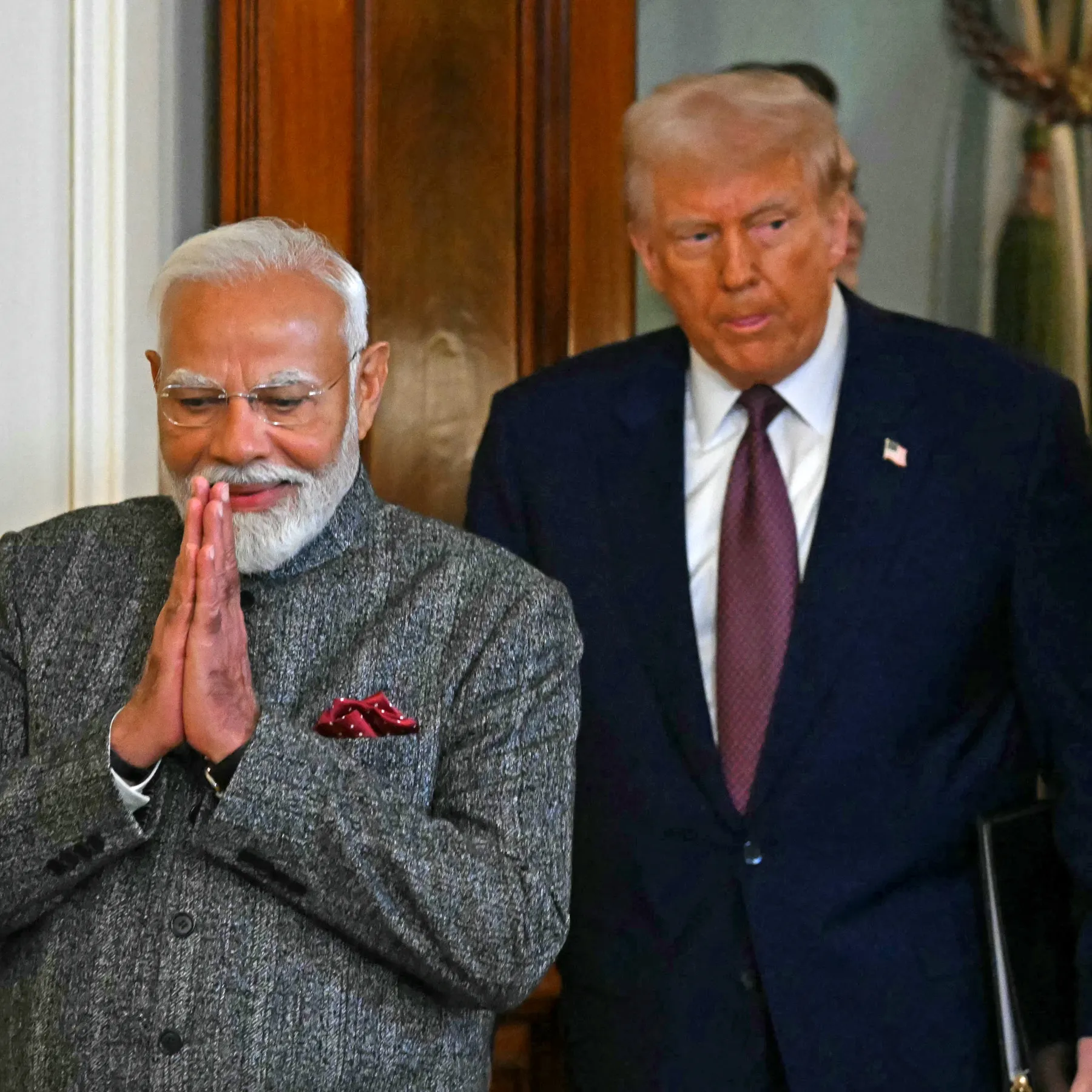
By the time the midterm campaign was in full swing, the administration had reframed the saga entirely. What began as a trade dispute was now being presented as a triumph of dealmaking. The White House described the outcome as a “new and improved” arrangement with one of America’s most important partners, one that would supposedly open markets for US manufacturers and encourage industrial growth across the country.
For Republican strategists, the India agreement served a dual purpose. It allowed the president to argue that tariffs were a tool rather than a tax, and it offered a concrete example of a foreign government agreeing to new terms under American pressure. Campaign materials folded the deal into a broader narrative of trade victories with several major economies.
The Peace Narrative and the India-Pakistan Ceasefire
The second pillar of the administration’s international pitch focused on conflict resolution. Trump has long cast himself as a peacemaker who can end wars through personal persuasion, and the campaign leaned heavily on this image. The White House credited the president’s negotiating skills with calming several flashpoints around the world, and the halt in hostilities between India and Pakistan in May of last year featured prominently on that list.
Here, however, the messaging ran into an awkward diplomatic reality. India has consistently rejected the idea that any outside party played a role in the ceasefire. New Delhi maintains that the understanding was reached directly between the two militaries, without mediation. That position has been restated repeatedly by Indian officials, making the American claim of credit a point of quiet friction rather than a shared celebration.
Why the Message Fell Flat With Voters
Foreign policy rarely decides American midterm elections, and 2026 proved no exception. Several factors limited the impact of the trade and peace narratives.
Economic anxiety at home overshadowed trade wins abroad. Voters were far more preoccupied with grocery bills, housing costs, interest rates, and fuel prices than with the details of tariff negotiations. A trade agreement, however favorable on paper, does not translate into a cheaper weekly shop in the short term.
Tariffs had visible costs. Many households associated the trade battles of the past year with higher prices on imported goods. Telling those voters that the tariffs had produced a good deal did little to erase the memory of what they had already paid.
The timeline was too long. Industrial growth driven by new trade terms unfolds over years, not months. Campaign promises built on future factory openings struggled to compete with immediate pocketbook concerns.
The peace claims lacked local relevance. South Asian security matters enormously to the region and to the Indian American community, but for the average voter in a competitive district, a ceasefire thousands of miles away did not feel connected to daily life.
Disputed credit weakened the story. When the country directly involved publicly declines to acknowledge your role, the achievement becomes harder to sell, especially to journalists and opponents eager to point out the discrepancy.
A Gap Between Washington Rhetoric and Kitchen Table Reality
The deeper problem was one of framing. The administration treated international agreements as proof of competence, expecting voters to reward the president for strength on the world stage. But the electorate was asking a different question: what has changed for me?
On that measure, the India deal and the ceasefire offered little. Neither addressed the cost of living. Neither spoke to healthcare, education, or job security in a way voters could feel. They were accomplishments designed for a foreign policy audience, deployed in a domestic campaign that wanted something else entirely.
This is not unique to Trump. Presidents of both parties have learned that overseas successes rarely move midterm voters unless they involve a direct threat to American lives or a dramatic economic shift. Diplomatic wins tend to be appreciated in hindsight rather than rewarded at the ballot box.
What It Means for India-US Relations
From New Delhi’s perspective, the episode is a reminder of how domestic American politics can shape the way bilateral relationships are described. India values its partnership with Washington, but it also guards its narrative carefully, particularly on matters involving Pakistan. The insistence on bilateral ownership of the ceasefire is not merely diplomatic pride; it reflects a long-standing policy of keeping third parties out of its disputes with its neighbor.
On trade, the practical work continues regardless of campaign slogans. Businesses on both sides are more interested in tariff schedules and implementation timelines than in how the deal was marketed to American voters. The agreement’s real value will be measured by whether it actually expands commerce over the coming years.
The Takeaway
US midterms 2026 showed the limits of foreign policy as a campaign tool. The Trump administration brought real international developments to the table, including a hard-won trade arrangement with India and a pause in hostilities between two nuclear-armed neighbors. Yet packaging these as evidence of promises kept did not bridge the distance between diplomatic achievement and everyday concern.
Voters wanted answers about their own finances and futures. Trade deals and ceasefires, however significant on the global stage, were not the answers they were looking for. That gap, more than any single policy, defined how the administration’s international pitch landed when it finally met the electorate.
Author