Charlie Kirk murder case took a dramatic turn this week when the Utah judge overseeing the proceedings held prosecutors in contempt of court for remarks they made to the media about defendant Tyler Robinson. The ruling underscores rising concerns over how publicity could shape the eventual trial.
The Contempt Ruling
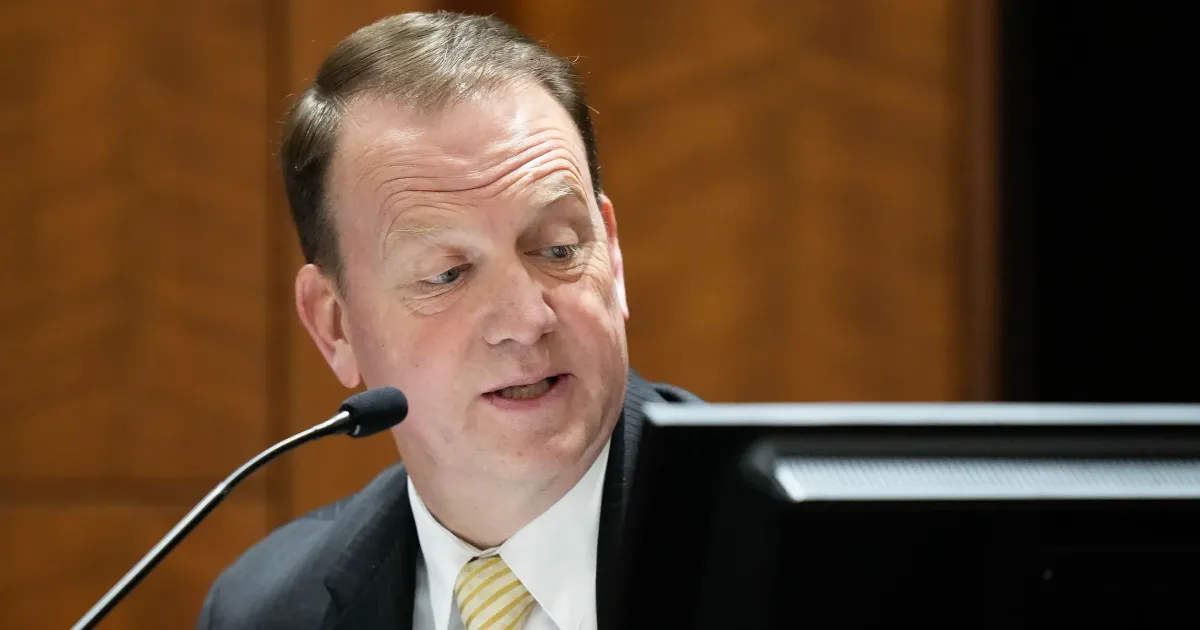
On Friday, Judge Tony Graf determined that the prosecutors’ comments breached his restrictions on what either side may say about the case outside the courtroom. However, he rejected a defense request to remove the death penalty as a punishment for the violation.
Instead, Graf said any potential damage could be addressed through the jury selection process. Screening and questioning prospective jurors, he explained, is specifically designed to filter out individuals who might harbor bias about the case.
The Defendant and the Charges
Robinson, a 23-year-old from southwestern Utah, has not yet entered a plea. He faces a charge of aggravated murder in connection with the September 10 assassination of Charlie Kirk, a prominent ally of President Donald Trump. Kirk was shot in the neck while speaking to a large crowd at Utah Valley University.
The Dispute Over Prosecutor Comments
Defense attorneys accused Deputy Utah County Attorney Christopher Ballard of attempting to sway potential jurors by embarking on what they described as a media tour to discuss ballistics evidence. Beyond that, Ballard had also stated that prosecutors possessed enough evidence to prove Robinson murdered Kirk.
Legal experts had noted that stripping away the death penalty would have been an extreme response. Graf agreed, calling such a step grossly disproportionate to the misconduct involved.
For his part, Ballard defended his actions, arguing he had every right to speak with reporters in order to correct misinformation circulating about a preliminary ballistics finding.
The Ballistics Controversy
The root of the confusion lay in early forensic testing. Initial analysis did not link the bullet fragment to the firearm investigators believe was used to kill Kirk. That gap fueled a wave of media stories questioning the strength of the prosecution’s case. One UK-based publication, for instance, ran a headline in late March reporting that the fatal bullet did not match the rifle authorities had identified.
Ballard maintained that he was simply trying to set the record straight, clarifying to media outlets that the ballistics tests were inconclusive rather than exonerating. He explained that the results could not definitively confirm whether the bullet came from the suspected weapon.
That uncertainty had broader consequences. Speculation around the evidence helped feed unsupported conspiracy theories, including claims of a possible second shooter or suggestions that Kirk’s death had been staged. Attorneys on both sides voiced worry that the swirl of misinformation and heavy media coverage could contaminate the pool of potential jurors.
Where the Judge Drew the Line
Graf made a careful distinction in his ruling. He found that Ballard’s comments about the bullet did not break the court’s rules. The problem, the judge said, arose when Ballard went further and declared that prosecutors had ample evidence to prove beyond a reasonable doubt that Robinson committed the murder.
Those particular statements, Graf concluded, carried a substantial likelihood of prejudicing the case. At the same time, he was careful to clarify that the prosecutors had not acted out of any malicious intent to taint the jury, and that his decision had nothing to do with the underlying charges against Robinson. The sole aim, he emphasized, was to enforce a narrowly tailored publicity order governing how attorneys conduct themselves.
The Evidence So Far
Authorities have outlined several pieces of physical evidence tying Robinson to the crime. According to officials, DNA consistent with his was recovered from:
- The trigger of the rifle
- The fired cartridge casing
- Two unfired cartridges
- A towel used to wrap the rifle
Efforts to obtain comment from both the prosecution and Robinson’s defense team were unsuccessful, with messages left by reporters going unanswered as the case continues to move forward.
Author