The Ethiopia election is under way, but for many citizens, casting a ballot will simply not be possible. As polls open across the country, ongoing conflict in several regions has left large swaths of the population unable to participate, casting a long shadow over the legitimacy of the vote.
Most strikingly, the entire northern region of Tigray, still struggling to recover from a devastating civil war, has been completely excluded from the poll.
An Election Held Against a Troubled Backdrop
This marks the seventh election since the fall of Ethiopia’s military regime in 1991, an upheaval that ultimately led to Eritrea’s secession two years later. The timing is fraught, as relations between Ethiopia and its northern neighbor have once again grown dangerously tense.
Adding to concerns about transparency, the media operates under tight regulation. Many organizations, including the BBC, were not granted press accreditation to cover the vote, raising questions about how freely the process can be observed.
Who Is Likely to Win?
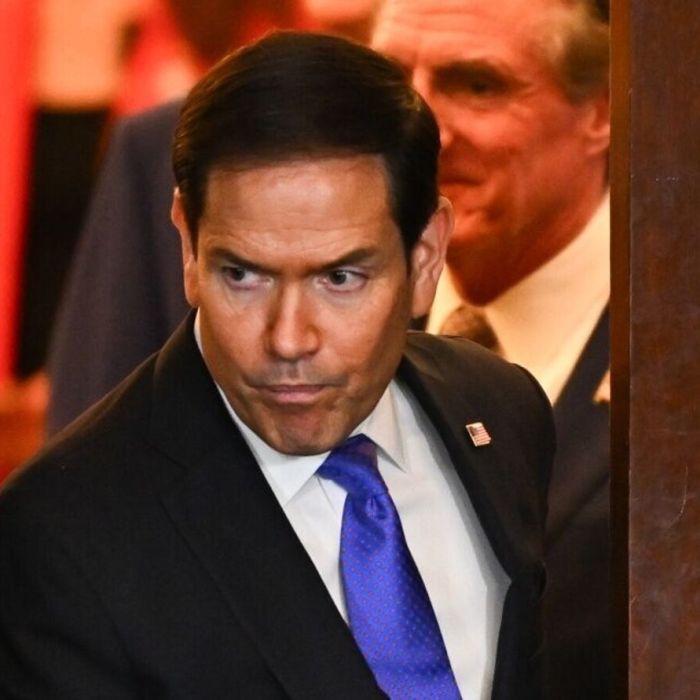
The expected victor is Prime Minister Abiy Ahmed, though he is not directly elected. Instead, voters choose representatives to the 547-member parliament, and any party that secures at least 274 seats earns the right to form the next government for a five-year term.
Abiy, 49, rose to power in 2018 amid widespread anti-government protests against the long-ruling Ethiopian People’s Revolutionary Democratic Front, a coalition dominated by politicians from Tigray that had governed since 1991.
Once in office, Abiy dissolved that coalition, of which he had been a part, and replaced it with his Prosperity Party, ushering in a more centralized and less federal style of governance.
A Contest Critics Call Hollow
Not everyone views the election as a genuine democratic exercise. Professor Merera Gurdina, a veteran opposition politician, alleged that this is the least competitive election in Ethiopia’s recent history.
He explained that his party was participating only symbolically, largely because the law prevents parties from boycotting elections consecutively. According to him, the main motivation was to avoid being deregistered rather than any expectation of a fair fight.
From Nobel Laureate to Embattled Leader
Abiy’s reputation has undergone a dramatic transformation. When he first assumed office, he was celebrated as a champion of democracy and press freedom, having released hundreds of politicians and journalists from prison.
His efforts to end a 20-year military stalemate with neighboring Eritrea earned him the 2019 Nobel Peace Prize. Seven years later, however, the picture looks starkly different.
Critics now accuse his government of:
- Suppressing dissent.
- Forcing opponents into exile.
- Arresting political rivals.
The Shadow of the Tigray War
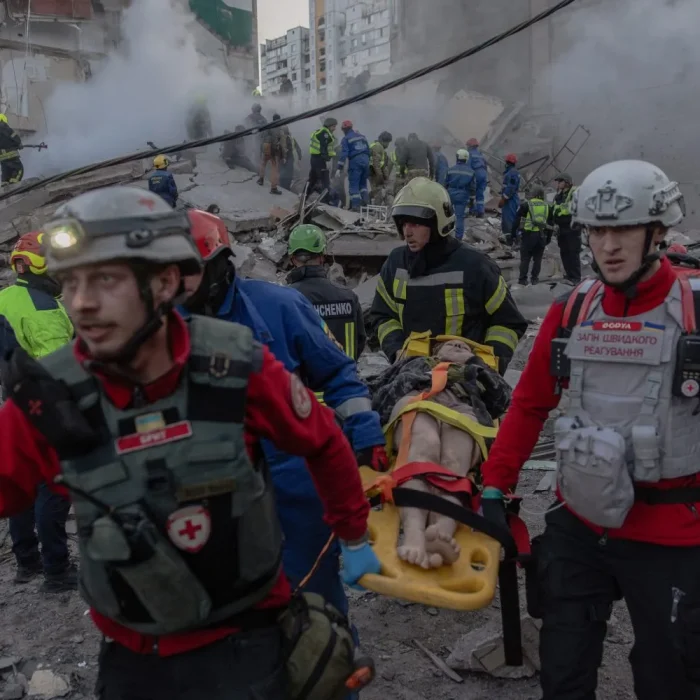
The most serious stain on Abiy’s record is the war his government waged against Tigray’s leaders beginning in 2020. The two-year conflict was estimated by the African Union’s mediator to have killed around 600,000 people and pushed the region to the brink of famine.
Concerns about governance extend to press freedom as well. Ethiopia ranked 148 out of 180 countries in Reporters Without Borders’ 2025 press freedom index. Human Rights Watch has condemned the government for arbitrarily arresting journalists, and after credentials for three Reuters reporters were revoked in February, the Committee to Protect Journalists warned of a troubling pattern of repressive action against the press.
The Case for Abiy
His supporters, however, tell a very different story, arguing that Abiy has transformed the country for the better. The capital, Addis Ababa, serves as a showcase for these reforms, undergoing rapid urban transformation through the prime minister’s “Corridor Development” and “Riverside” projects.
Yet even these initiatives have drawn criticism. The improvements to transport and public spaces have been accompanied by mass demolitions that displaced tens of thousands of residents.
On the economic front, Abiy’s reforms have won support from the International Monetary Fund and the World Bank, contingent on liberalizing the foreign currency market and managing the country’s debt, which stood at $36.5 billion in 2024. With a population of nearly 136 million, Ethiopia is Africa’s second most-populous nation and one of its fastest-growing economies. Its GDP per capita is projected to reach $1,133 in 2026, up from $641 in 2016.
Mounting Security Concerns
Beyond Tigray, two of the country’s most-populous regions, Amhara and Oromia, have endured violent insurgencies in recent years. Fano militias in Amhara and the Oromo Liberation Army in Oromia continue to battle government forces, causing thousands of civilian deaths and displacing hundreds of thousands.
Both groups seek greater ethnic autonomy but feel betrayed by Abiy for differing reasons:
- The Amhara militias, who had fought alongside the government during the Tigray war, refused a 2023 order to disband, arguing it would leave their region exposed to attack.
- The OLA, designated a terrorist organization by parliament, wants greater autonomy for the Oromo people, the country’s largest ethnic group, which has long felt marginalized.
According to the conflict monitoring group Acled, more than 9,400 people were killed in 2024 as a result of violence in these regions. Despite this, the government claims that 97% of areas in Amhara and Oromia are ready to hold elections, a figure opposition groups dispute, saying conditions for campaigning simply do not exist there.
A Horn of Africa expert at the International Crisis Group captured the tension neatly, noting that while Abiy will be confident of re-election, this should not obscure the reality of internal insecurity, ongoing insurgencies, and the risk of a new war in the north.
The Crisis in Tigray
Home to an estimated six million people, Tigray had been governed by an interim administration following the peace deal signed in November 2022 in Pretoria, South Africa, between the government and the Tigray People’s Liberation Front.
That fragile arrangement has unraveled. Earlier this month, the TPLF, angered by Abiy’s reappointment of the administration’s leader without consultation, moved in and elected Debretsion Gebremichael to take over. He had led Tigray during the war, when the government had branded the TPLF a terrorist organization.
Several disputes have driven tensions to a dangerous point:
- A disagreement over whether the TPLF needed to register as a new party, which the election board insisted upon and the TPLF rejected, leaving the group effectively banned with its legal status revoked.
- The TPLF’s belief that the government has reneged on parts of the Pretoria accord, particularly its demand for the return of territory like western Tigray, lost during the war.
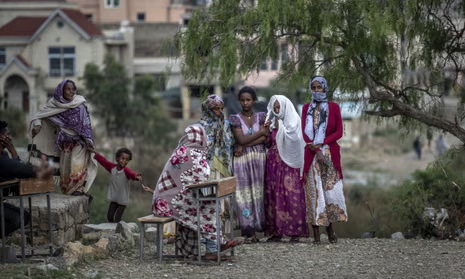
- The plight of around a million people who fled western Tigray and now live in poor conditions in makeshift camps.
The Eritrea Factor
Eritrea, which borders Tigray to the north, adds another layer of danger. During the civil war, it fought alongside Ethiopia’s government, but that friendship has since soured, largely over Abiy’s ambition to secure access to a Red Sea port.
When Eritrea gained independence more than three decades ago, it took with it a 1,350-kilometer coastline, leaving Ethiopia landlocked. Compounding matters, there are reports that Eritrea has been growing closer to the TPLF, further inflaming tensions between Abiy’s government and Tigray’s leadership.
In May, the electoral board confirmed there would be no voting in any of Tigray’s 38 constituencies, fueling fears of a return to wider conflict. The ICG analyst argued that regional mediation is needed to open lines of communication, suggesting that, at the very least, talking rather than shooting could prevent dangerous miscalculation.
What Voters Hope For
Despite the turmoil, the election board says more than 50.5 million people have registered to vote. Many young and first-time voters express hope that the election will bring stability to their lives.
One resident of Addis Ababa voiced a common concern, explaining that a negative outcome could affect daily life both economically and politically. She worried that instability might disrupt her education and make it harder to move around freely.
A Ruling Party’s Curious Promise
Abiy’s Prosperity Party won by a landslide in the 2021 election, and it remains heavily favored once again. Yet in an unusual twist, party leaders have signaled a desire not to dominate completely.
The Deputy Prime Minister, who hails from the Amhara region where voting has already been cancelled in 30 of 137 constituencies, told local media that the ruling party did not want to win everything this time. He pointed to ministers drawn from opposition parties and expressed a wish to accommodate diverse voices, saying the party wanted to see its competitors claim some victories.
An Election Defined by Absence
As Ethiopians head to the polls, the Ethiopia election is shaping up to be defined as much by who cannot vote as by who can. With Tigray entirely excluded, large parts of Amhara and Oromia engulfed in violence, and the press kept at arm’s length, the legitimacy of the outcome is likely to remain contested.
While Abiy appears poised for another term, the deeper challenges facing Ethiopia, simmering insurgencies, a fragile peace in the north, and the looming threat of renewed war, will not be resolved at the ballot box. For a nation of nearly 136 million people, the hope for stability hangs in a delicate and uncertain balance, one that this election alone seems unlikely to secure.
Author