The French navy tanker seizure carried out over the weekend has delivered another blow to Russia’s so-called “shadow fleet,” the network of vessels accused of skirting international sanctions. France announced that it had detained a suspected Russian oil tanker in the Atlantic, marking the latest move in a coordinated effort to disrupt Moscow’s ability to evade restrictions tied to its war in Ukraine.
The dramatic operation, conducted with British support, underscores the growing willingness of Western nations to confront the elusive fleet head-on.
The Operation at Sea
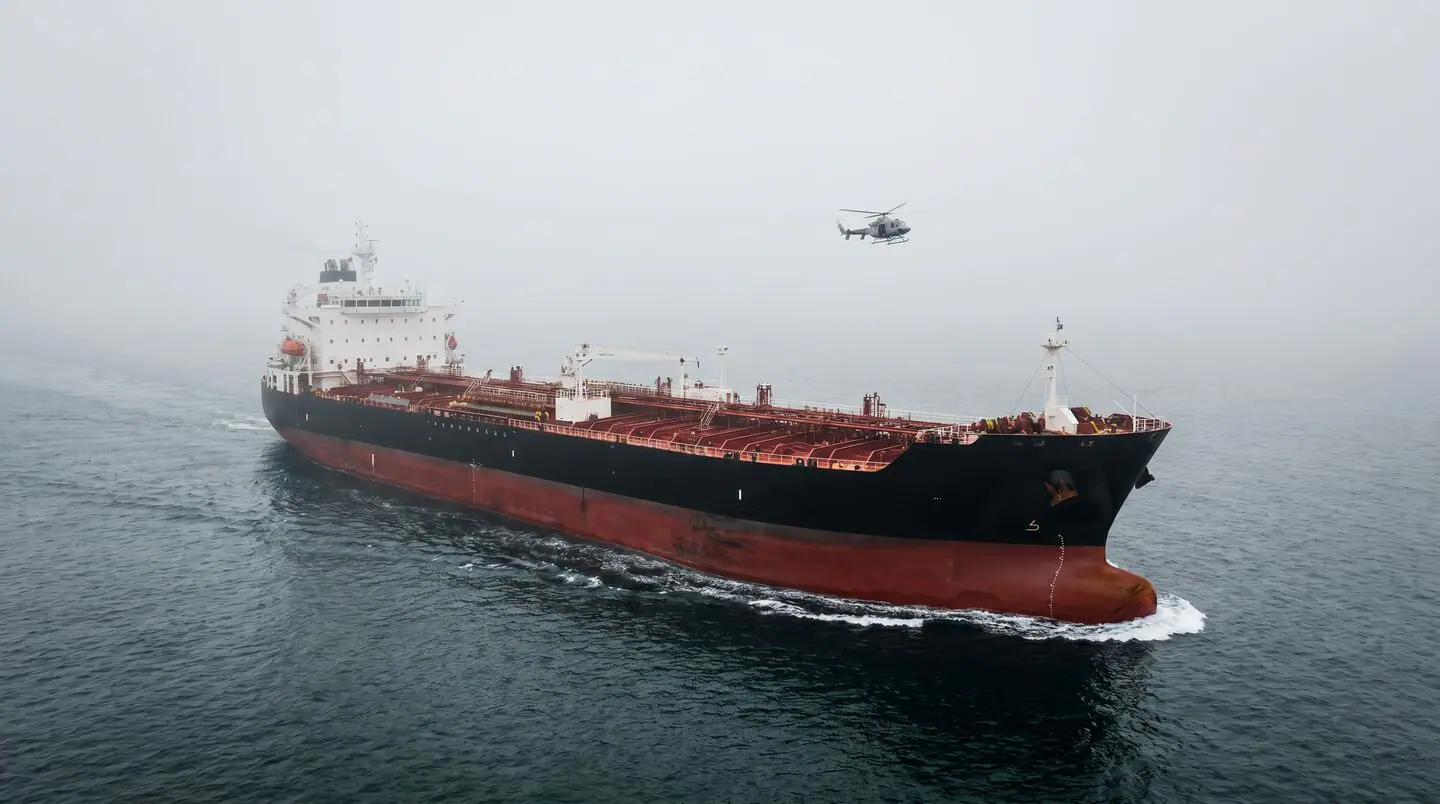
The tanker, identified as the Tagor, was detained on Sunday morning in international waters more than 400 nautical miles west of Brittany. According to French President Emmanuel Macron, the seizure was carried out with the help of the United Kingdom and other partners.
French authorities said the vessel had been traveling from Murmansk in north-west Russia when it was intercepted. Macron described the action as boarding an oil tanker that was subject to international sanctions and sailing from Russia, and he shared a video he said showed the seizure, depicting commandos descending from a helicopter onto the ship.
Macron’s Firm Stance
Macron framed the operation as both lawful and necessary. Writing on X, he emphasized that the action took place on the high seas with the support of several partners, including the United Kingdom, and in strict compliance with the law of the sea.
He did not mince words about the broader stakes, declaring it unacceptable for ships to circumvent international sanctions, violate maritime law, and help finance the war Russia has waged against Ukraine for more than four years. His comments positioned the seizure as part of a principled stand rather than an isolated incident.
Moscow Cries Foul
Russia, predictably, condemned the operation in sharp terms. Kremlin spokesperson Dmitry Peskov denounced the seizure as illegal, going so far as to say it bordered on international piracy.
He added that Russia was taking measures to ensure the safety of its cargo, signaling Moscow’s displeasure and its intent to push back against such interventions. The clash of narratives highlights the deep tensions surrounding the shadow fleet and the enforcement actions targeting it.
A Suspicious Flag
A key element of the case involved the vessel’s questionable identity. According to a spokesperson for the French maritime prefecture, the ship was falsely flying a Cameroonian flag and was heading toward Limbe, a coastal city in western Cameroon.
The French authorities explained that the operation was aimed at verifying the nationality of a vessel suspected of flying a false flag. After the inspection team boarded, an examination of the documents confirmed their suspicions about the irregularity of the flag, prompting the decision to divert the ship in accordance with international law and at the request of the public prosecutor.
What Happened Next
Following the inspection, the tanker was placed under the control of French forces. The vessel, which had 23 crew members aboard, was being escorted by the French navy to an anchorage point for further checks.
Additional details painted a fuller picture of the ship’s history and status:
- The tanker was under both EU and US sanctions.
- It was already known to authorities and had been actively tracked.
- It had frequently changed flags, a tactic associated with the shadow fleet.
- At the time of boarding, the vessel was described as almost empty.
A prefecture spokesperson noted that the decision to divert the ship was made on Sunday evening, with the primary objective being to verify the validity of its flag.
Questions Over the Crew
The seizure has also raised diplomatic questions about those aboard. Russia’s embassy in Paris said it had requested information from French authorities regarding any Russian citizens on the Tagor.
According to preliminary information from the embassy, the captain of the vessel is a Russian citizen. This detail adds a personal and diplomatic dimension to an operation already fraught with geopolitical tension.
A Broader Campaign Against the Shadow Fleet
The Tagor seizure is far from an isolated event. France and the UK have both pledged to obstruct ships linked to Russia’s sanctions-hit shadow fleet as they pass through their waters.
In March, British Prime Minister Keir Starmer announced that he had granted permission for the UK military to board ships belonging to the fleet. Despite such measures, shipping data indicates that dozens of sanctioned vessels linked to Russia continue to cross UK waters, illustrating the scale of the challenge.
A central tactic employed by these vessels is “flag-hopping,” the practice of frequently changing flags or using invalid registrations to evade tracking. This deliberate evasion is precisely what enforcement operations like the Tagor seizure aim to expose and counter.
A Pattern of Interventions
France in particular has stepped up its efforts in recent months. Since September, it has boarded three other ships believed to belong to Russia’s shadow fleet, though those vessels were allowed to sail after their owners paid fines.
The track record includes several notable cases:
- In September, the French navy boarded the Boracay, which claimed to be flagged in Benin; its Chinese captain was tried in absentia, and a French court issued an arrest warrant and a one-year jail sentence in March.
- In January, French forces impounded another suspected Russian tanker, the Grinch.
- In March, the Deyna, which had sailed from Murmansk under a Mozambican flag, was detained in Marseille.
Building on these actions, France announced in April a plan to double penalties for ships that fail to fly a flag or refuse to comply with inspections.
The Scale of the Sanctions Effort
The broader context reveals just how extensive the campaign against the shadow fleet has become. Several Western countries have imposed sanctions on hundreds of vessels in Russia’s shadow fleet in response to the 2022 invasion of Ukraine.
According to current figures, nearly 600 vessels suspected of being part of that fleet are subject to EU sanctions. This staggering number reflects both the size of Russia’s evasion network and the determination of Western nations to dismantle it.
A Sign of Things to Come
The French navy tanker seizure stands as a clear signal that France, the UK, and their partners intend to keep tightening the net around Russia’s shadow fleet. By boarding vessels on the high seas and exposing false flags, these nations are demonstrating a readiness to enforce sanctions through direct action rather than mere words.
As Moscow protests and the fleet continues its evasive maneuvers, the standoff at sea is likely to intensify. For now, the detention of the Tagor adds to a growing list of interventions that, taken together, represent a sustained campaign to choke off one of the channels financing Russia’s prolonged war in Ukraine. Whether these efforts will ultimately curb the shadow fleet’s operations remains an open question, but the message from Paris and London is unmistakable: such ships will not pass through their waters unchallenged.
Author