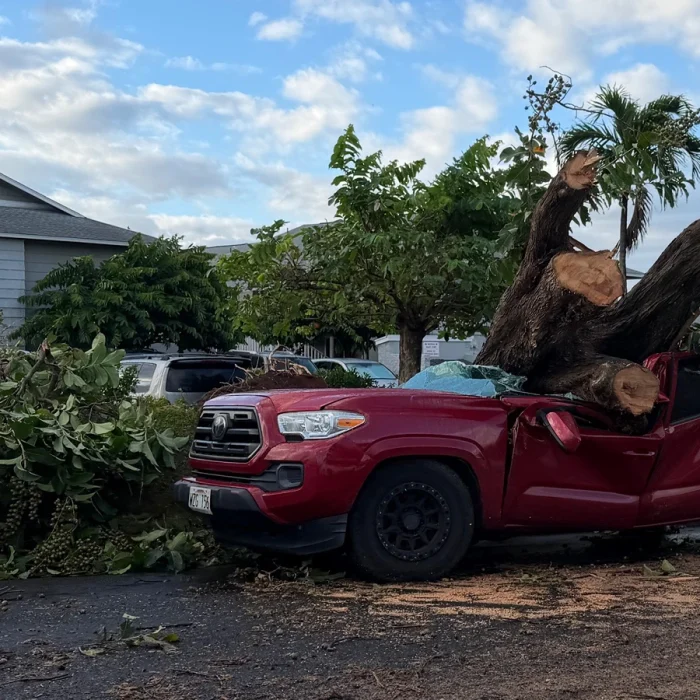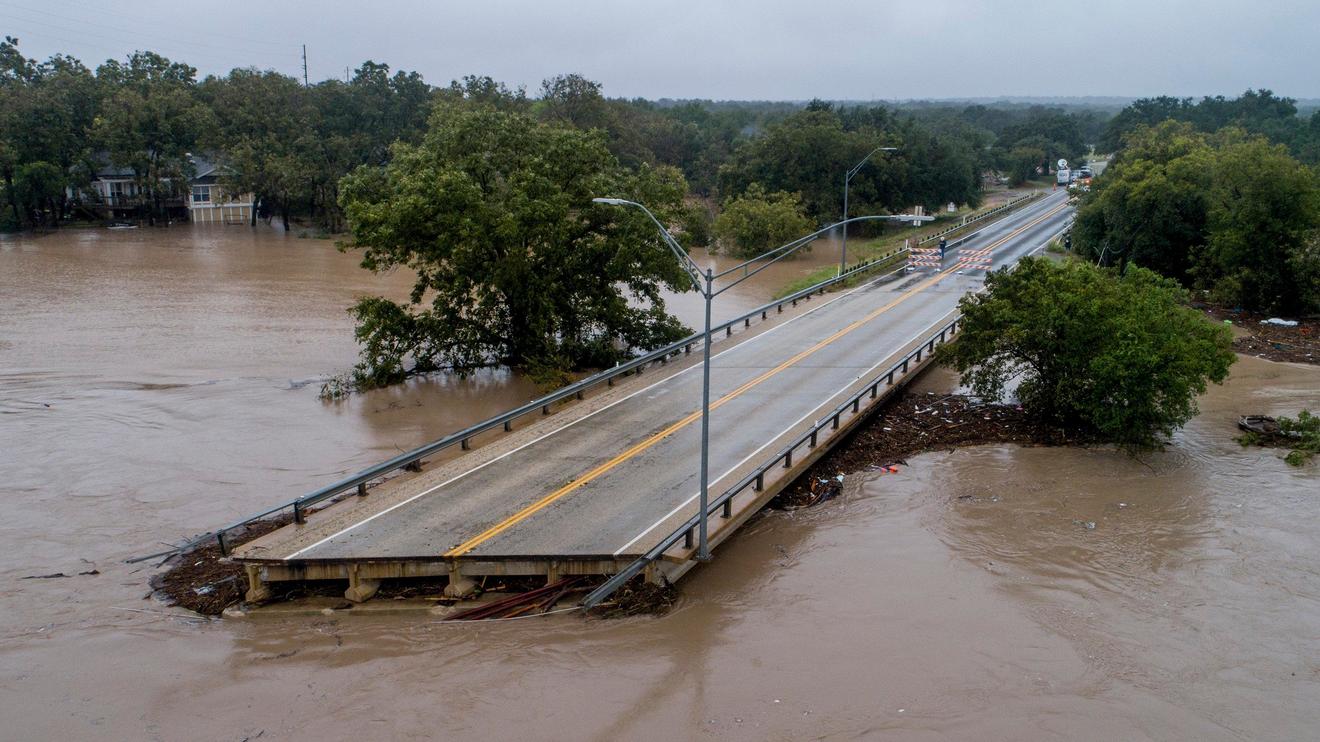
A sweeping Texas disaster declaration is now in effect after Governor Greg Abbott moved to unlock the state’s full emergency response for 101 counties battered by dangerous weather. The action, announced Monday, comes as severe storms that rolled in over the weekend continue to threaten communities with relentless rain, flash flooding, and more.
A Wide-Reaching Emergency Order
The declaration covers an enormous swath of the state, stretching across South Texas, the Hill Country, the Gulf Coast, and Central Texas. Major population centers are included, among them Harris, Fort Bend, Montgomery, Galveston, Brazoria, Travis, and Bexar counties.
The storm system, which began Sunday, has unleashed a punishing mix of hazards:
- Heavy rainfall and flash flooding
- Hazardous wind gusts
- Large hail
- Tornado threats
In some areas, the toll has already been serious, with reports of widespread damage, injuries, and loss of life. Officials have noted that additional counties may be added to the declaration as conditions evolve.
Why the Declaration Matters
At its core, the order is about access to resources. By declaring a disaster, Abbott opens the door for local officials and communities to tap the full range of state support, while also authorizing the use of all available government resources and suspending certain regulatory procedures to speed up the emergency response.
In his statement, Abbott struck a tone of readiness, saying Texas is prepared to meet the threats moving across the state and urging residents to follow the guidance of state and local officials and take every precaution to stay safe.
The State Ramps Up Its Response
The declaration is only part of a broader mobilization. Earlier Monday, Abbott directed the Texas Division of Emergency Management to activate additional emergency response resources and shift the State Emergency Operations Center to round-the-clock, 24-hour operations.
The state has also deployed a range of assets to vulnerable areas, including high-profile vehicles, helicopters, and swiftwater rescue teams. Texas A&M AgriLife Extension agents have been sent out as well to help address agricultural and livestock concerns stemming from the storms. Notably, the groundwork was laid even before the worst arrived, as Abbott had already directed TDEM last week to activate resources ahead of the anticipated flooding.
More Trouble May Be Brewing
The danger is far from over. Weather officials are keeping a close eye on a tropical disturbance in the Gulf that carries roughly a 50 percent chance of developing into a cyclone, a scenario that could compound an already significant flood risk through the latter part of the week. The National Weather Service anticipates repeated rounds of storms across Texas in the coming days.
What Texans Should Do
With more severe weather expected, officials are emphasizing preparation and caution. Residents are urged to:
- Monitor local weather forecasts closely.
- Keep emergency supplies readily on hand.
- Avoid driving through flooded roadways, a leading cause of storm-related deaths.
For those looking for guidance, severe weather safety information is available at TexasReady.gov, current road conditions can be checked at DriveTexas.org, and hazard preparedness tips can be found at tdem.texas.gov/prepare.
Looking Ahead
As the storms press on and a potential tropical system looms offshore, the disaster declaration positions Texas to respond quickly across a vast and varied stretch of the state. For now, the focus remains on keeping residents safe and ensuring that hard-hit communities have the resources they need.
This is a developing situation, and conditions, along with the list of affected counties, could change in the days ahead as the weather continues to unfold.
Author