Just weeks after Minnesota’s Board of Pardons unanimously wiped away his conviction — with the explicit support of the woman he had abused as a child — Tou Lue Vang was arrested by federal agents and removed from the country.
The Tou Lue Vang deportation has become a case study in a legal reality many Americans do not know exists: a state pardon does not necessarily undo the immigration consequences of a criminal conviction.
What DHS Announced
The Department of Homeland Security confirmed Friday that Immigration and Customs Enforcement officers had arrested and deported the 42-year-old.
The statement did not name a destination explicitly, but indicated Vang had been returned to Laos — the country he was born in, and left as a child.
The Conviction
The underlying crime was serious, and Vang has never disputed it.
In 2006, he was convicted of first-degree criminal sexual conduct involving a 10-year-old girl. The abuse began when he was 18.
He received 30 years of probation.
That same year, an immigration judge ordered him removed from the United States. But the removal never happened. Vang remained in the country for nearly two decades under federal supervision — a limbo status that is more common than most people realize.
He had come to the US as a child and held legal permanent residency.
The Sequence That Led Here
The timeline matters, because it explains how a man could be pardoned and deported within a month.
- December 2025: ICE arrested Vang
- Two months later: A federal immigration judge ordered his release while his case proceeded
- June 10: The Minnesota Board of Pardons granted him a full pardon
- July: DHS announced his deportation
The Pardon Hearing
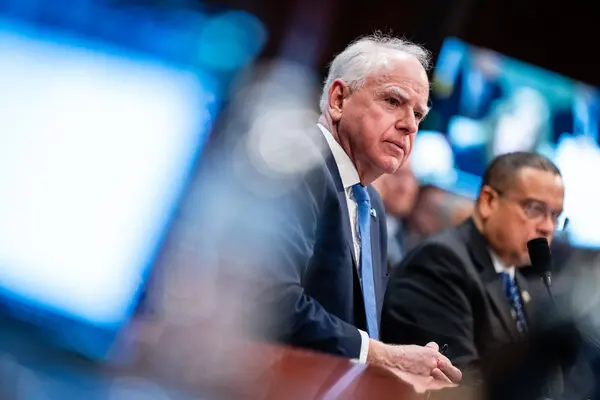
The Minnesota Board of Pardons consists of three officials: Gov. Tim Walz, Attorney General Keith Ellison, and Minnesota Supreme Court Chief Justice Natalie Hudson.
They voted unanimously.
At the hearing, Vang did not minimize what he had done.
“When I was 18, I began sexually abused a young victim,” he told the board. “The idea was wrong. It was a serious crime.”
He also spoke about what deportation would mean for his family. If he were sent away, he said, they would lose everything — his children would lose their home, their education, and would grow up without a father.
The Victim Asked for Mercy
The most extraordinary element of the hearing came from the woman Vang abused.
She did not oppose the pardon. She requested it.
In a letter read aloud by a victim advocate, she explained her reasoning with striking clarity.
What happened to her was wrong, she wrote, but she had spent many years thinking about it and had made her peace. She said she forgave him. It happened more than 20 years ago. He is not the same person now.
Chief Justice Hudson referenced that letter directly before voting.
“We’ve seen some evidence here of rehabilitation, but obviously the victim’s statement here is very significant for me,” she said.
The pardon also followed a recommendation from the Clemency Review Commission and a substantial volume of community support letters.
The Federal Response
DHS was sharply critical of the Minnesota decision, framing it as state leaders pardoning a man convicted of sexually abusing a child.
Minnesota pushed back hard.
A spokesperson for the attorney general’s office rejected that characterization outright, emphasizing that the pardon “does not protect Vang from deportation.”
The spokesperson defended the process as exhaustive, noting the victim’s support, the commission’s recommendation, and the community backing.
They went further, accusing DHS of misrepresenting the pardon’s legal effect — saying the agency was “lying through their teeth” about what a state pardon can and cannot do.
The Legal Reality at the Center of This
Both things are true at once, which is what makes the case so confounding.
Minnesota can forgive a conviction under state law. That is genuinely within its authority.
But federal immigration law operates on its own track. A state pardon does not automatically erase the immigration consequences attached to a criminal conviction. The federal government can still treat that conviction as grounds for removal.
In other words, the Board of Pardons was not blocking deportation. It was never able to.
That distinction sits at the heart of the dispute between St. Paul and Washington — one side accusing the other of shielding a child abuser, the other accusing Washington of pretending a shield existed at all.
What This Case Actually Illustrates
Strip away the political framing and several uncomfortable questions remain.
Can a person convicted at 18 be a different person at 42? The victim herself said yes. A commission agreed. Three state officials agreed unanimously.
Does that transformation carry any weight in immigration court? Legally, often not.
And what happens to the family left behind — the children Vang described, who now grow up without him?
Vang is in Laos. The pardon stands in Minnesota. Neither fact changes the other.
Author