Israel will hold national elections on October 27 — the last date permitted by law — and almost nobody in the country regards it as anything other than a verdict on one man.
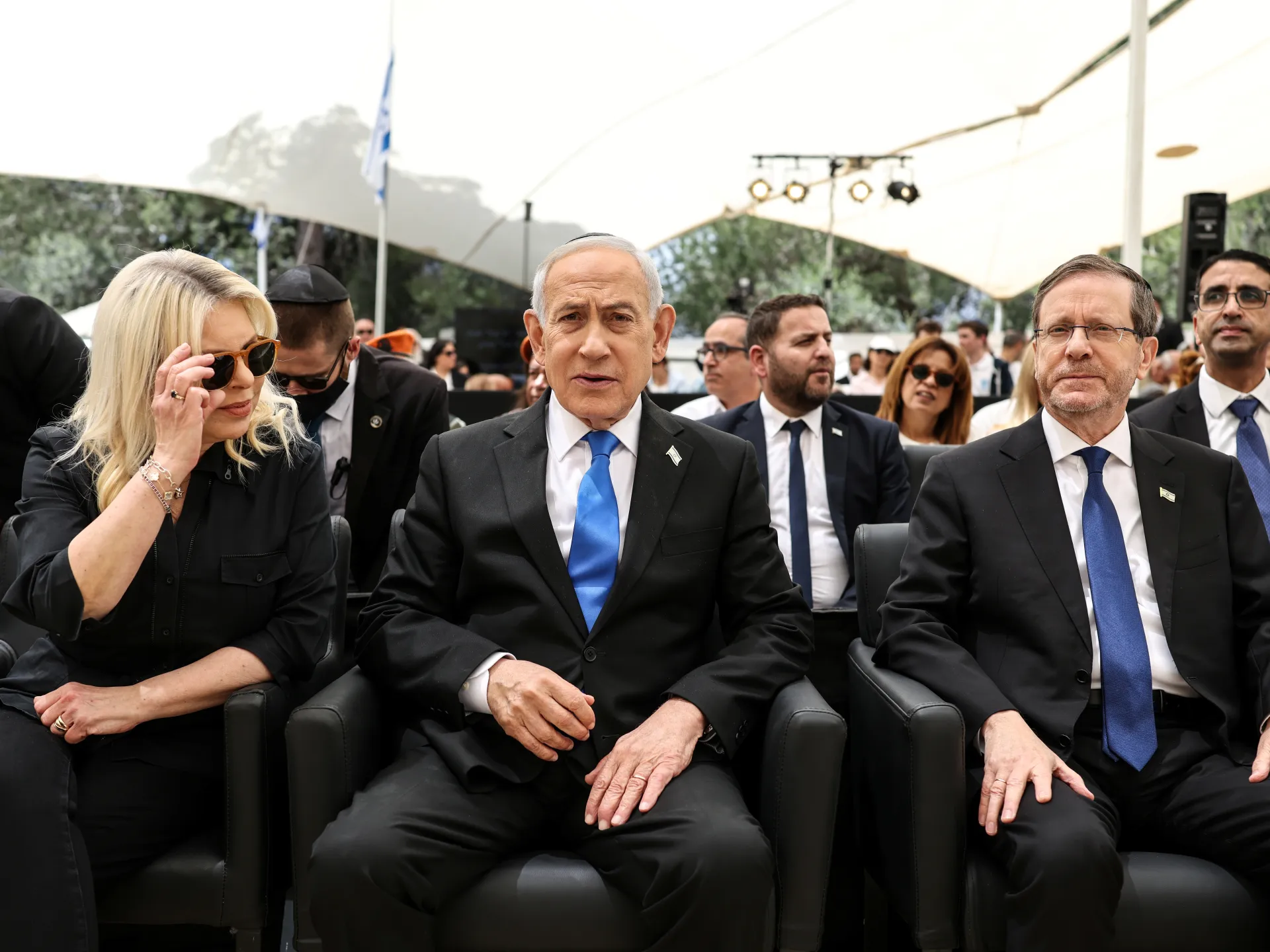
The Israel election arrives with Benjamin Netanyahu at his weakest and, characteristically, at his most defiant.
He is 76. He is already the longest-serving prime minister in the country’s history. And he says he “intends to win.”
The Timing Is Deliberate
The Knesset confirmed the date on Sunday, with its current term ending July 17.
That means the ruling coalition will complete a full four-year term — something no Israeli government has managed in decades.
Parliament explained the mechanics plainly: since the Knesset is expected to serve out its full term and the election is already fixed by law for October 27, there is no need to enact a dissolution law in the conventional sense.
In other words, Netanyahu has extracted every available day from this parliament.
The Numbers Against Him
Polling paints a grim picture.
A survey by the Hebrew University of Jerusalem found that more than 92 percent of Israelis believe Iran won the Middle East war.
Support for Netanyahu’s premiership collapsed from 40.5 percent in early March to 29.4 percent in June.
A majority of Israelis want him out of office.
His main challenger is Gadi Eisenkot, the former military chief — a candidate whose credentials speak directly to the security anxieties Netanyahu has spent his career claiming to answer.
The Iran Problem
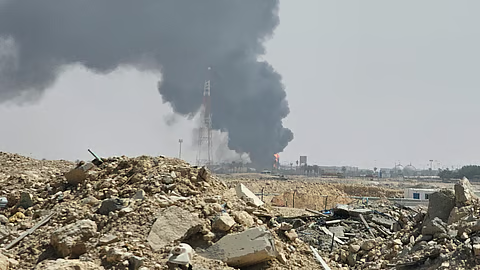
Public opinion turned sharply against the ceasefire that halted the war Israel and the United States launched against Iran in late February.
The resulting deal between Tehran and Washington is widely viewed inside Israel as unfavourable.
That is a difficult position for a leader whose entire political identity rests on confronting Iran.
The Wounds That Haven’t Closed
Several grievances continue to weigh on Netanyahu’s standing.
- The security failures surrounding the October 7 attacks, which remain unresolved politically
- His ongoing corruption trials
- The judicial reforms he initiated before the Gaza war, which fractured the country
- Uncertainty over Gaza’s post-war governance
Any one of these would burden a normal campaign. He carries all of them at once.
The Conscription Fight
Perhaps the most explosive domestic issue is whether ultra-Orthodox Jewish men should serve in the military.
Netanyahu’s key coalition allies have repeatedly threatened to bring down the government unless their constituents are exempted from the draft.
The Israeli military — and a substantial portion of the public — argue the opposite. After years of war, the armed forces are stretched thin, and broad enlistment has become a practical necessity, not merely a question of fairness.
It is a conflict with no middle ground, and it splits Netanyahu’s own base from the wider electorate.
The Pivot to Unity
Netanyahu has begun signalling an unexpected strategy.
Last month, he said he intended to “establish a broad national government, not a right-wing, not a left-wing government that depends on Arab parties, but a broad national government.”
This is a notable shift for a man leading one of the most right-wing coalitions in Israeli history.
The calculation appears to be reframing his pitch around national unity rather than ideological alignment — an attempt to appeal beyond a base that may no longer be sufficient.
The Victory Narrative
His campaign message is already taking shape, and it centres on the war.
“After we have removed the Iranian existential threat, the broad national government can make peace within ourselves, deal with the remnants of the Iranian axis and reap the fruits of our victory in political agreements like the one we are making with Lebanon — and there are a few more on the way,” he said.
The framing is deliberate: Netanyahu as the leader who dismantled the Iranian threat and can now convert military outcomes into diplomatic ones.
The obvious difficulty is that 92 percent of Israelis apparently believe Iran won.
Racing the Clock
In recent days, his government has been rushing through a series of bills — an effort to solidify his alliance and enter the campaign from strength.
That legislative sprint tells you something. Governments confident of re-election do not need to lock in gains before the voters arrive.
What October 27 Actually Decides
This is not merely about who forms the next coalition.
Netanyahu faces active corruption proceedings. Political power and legal exposure have been intertwined throughout his career, and a defeat would strip away the protections incumbency provides.
For him, the stakes are not ideological. They are personal.
He has survived electoral near-death experiences before, repeatedly, when observers had already written him off.
But he has never faced a ballot with these numbers, this war record, and this opponent.
October 27 will settle it.
Author