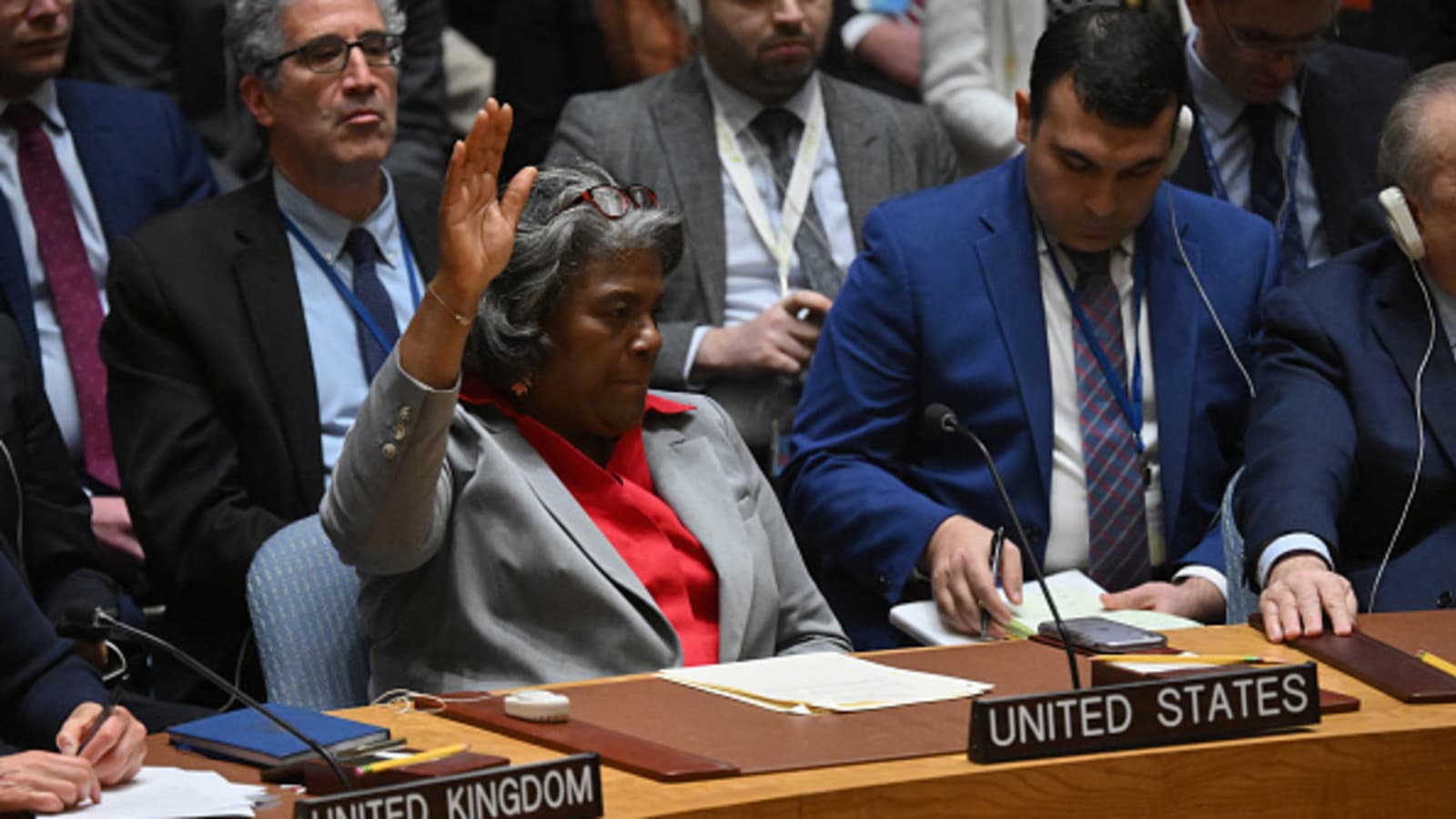
Democrats vote on Israel aid has become a flashpoint within the party, exposing deep divisions over how forcefully lawmakers should push back against the Netanyahu government. An upcoming House vote on a measure that would block U.S. aid to Israel has left many Democrats squirming, caught between grassroots pressure and concerns over national security.
A Vote That Reveals Deep Anxiety
The looming vote is doing more than testing party loyalty; it’s laying bare just how much unease Democratic lawmakers feel about rising anti-Israel sentiment within their base. For many, the decision offers no comfortable path forward.
One House Democrat, speaking anonymously to share candid thoughts, admitted to leaning yes even while calling the measure a poor piece of legislation. For this lawmaker, the vote functions less as sound policy and more as a signal that something must change, arguing the U.S. cannot keep providing aid regardless of how it’s used. The same member predicted that at least 40 colleagues would support the measure.
Another Democrat leaning toward yes captured the sense of paralysis gripping part of the caucus, noting that the Jewish caucus is completely split. Some members plan to vote yes, others no, and still others present, with every available option feeling equally unappealing.
What’s Actually on the Table
At the heart of the controversy is an amendment introduced by Rep. Thomas Massie, a Kentucky Republican, attached to a State Department funding bill. The measure would prohibit any of the funding from going to Israel.
Crucially, the amendment makes no carveout for non-military aid, a detail that has fueled weeks of frenzied internal debate among House Democrats. The sweeping nature of the proposal has made it especially difficult for lawmakers who want to express displeasure without cutting off humanitarian and diplomatic support.
Jeffries Takes a Stand
The party’s leadership moved to clarify its position early. House Minority Leader Hakeem Jeffries announced during Democrats’ closed-door caucus meeting on Tuesday morning that he would vote against the amendment.
In a letter to colleagues, Jeffries laid out his reasoning, describing the amendment as overly broad. He warned that it would limit funding for humanitarian aid, refugee resettlement, peace-building, and U.S. Embassy operations. He also cautioned that it would restrict America’s ability to confront Hamas, Hezbollah, and other terrorist organizations in the region that he called sworn enemies of both the United States and Israel.
Jeffries suggested there were more effective avenues to pursue change, writing that in his view, more decisive methods exist to achieve the urgent shift needed regarding the far-right Netanyahu government. When asked whether she would follow his lead, House Minority Whip Katherine Clark said the team was still evaluating its position.
Praise From Centrists
Jeffries’ decision drew enthusiastic support from centrist, pro-Israel Democrats, who framed it as a courageous stand against the growing influence of the party’s pro-Palestinian wing.
Rep. Richard Neal of Massachusetts praised the leader’s boldness, remarking to his staff that Jeffries had been courageous that morning. Rep. Josh Gottheimer of New Jersey went further, describing the move as putting principle and America’s national security ahead of what he dismissed as finger-in-the-wind politics.
The Progressive Pushback
On the other side of the divide, progressive lawmakers remain committed to supporting the amendment. Progressive Caucus chair Greg Casar of Texas confirmed he still plans to vote yes and expects a sizable number of members to do the same if the measure comes up.
For Casar, the vote is fundamentally about sending a clear message. He argued that a yes vote is what plainly signals that the Netanyahu government’s actions are unacceptable. The anonymous Democrat echoed this reasoning, explaining that some members will vote yes to signal opposition to unconditional foreign military financing and to support stronger oversight of how U.S. security assistance is used.
A Symbolic Vote With Little Chance
For all the internal turmoil, the amendment faces long odds. Given largely unified Republican support for Israel, it has little chance of passing the House and would face an even steeper climb in the Senate.
As a result, many Democrats view this as a symbolic vote. Some even suspect a political trap, arguing that GOP leaders would only bring it forward to divide the opposition. Rep. Greg Meeks, the ranking member of the House Foreign Affairs Committee, noted that while Republicans don’t like Massie, they allowed the bill to move precisely because it could split Democrats.
A Conscience Vote
Notably, Democratic leadership is not whipping the vote, choosing instead to let lawmakers follow their conscience. This approach earned recognition from outside groups as well.
J Street President Jeremy Ben-Ami said his organization supports Jeffries’ decision to oppose the amendment without whipping against it, acknowledging that many Democrats want to express concern over how U.S. military aid to Israel is being used. He added that members might reasonably conclude that voting no, present, or yes each represents a valid way to reflect those competing concerns.
A Possible Shift Ahead
Perhaps most significantly, Jeffries signaled an openness to conditioning future U.S. aid to Israel. In his letter, he wrote that a meaningful change in direction is needed as the two nations prepare to negotiate a new memorandum of understanding.
He emphasized that any future security arrangement between the countries should strictly adhere to U.S. human rights laws and values. Casar found those remarks encouraging but cautioned that the details are going to matter, hinting that the real fight over the substance of U.S.-Israel policy may still lie ahead.
The Bottom Line
The vote over blocking aid to Israel has become a revealing test of where the Democratic Party stands at a moment of shifting sentiment. While the amendment itself is unlikely to succeed, the debate surrounding it exposes genuine fault lines between centrists and progressives, between grassroots anger and institutional caution. As Democrats navigate these competing pressures, the outcome may matter less than the message, and the message, for now, is that the party is far from united on one of the most contentious issues in American foreign policy.
Author