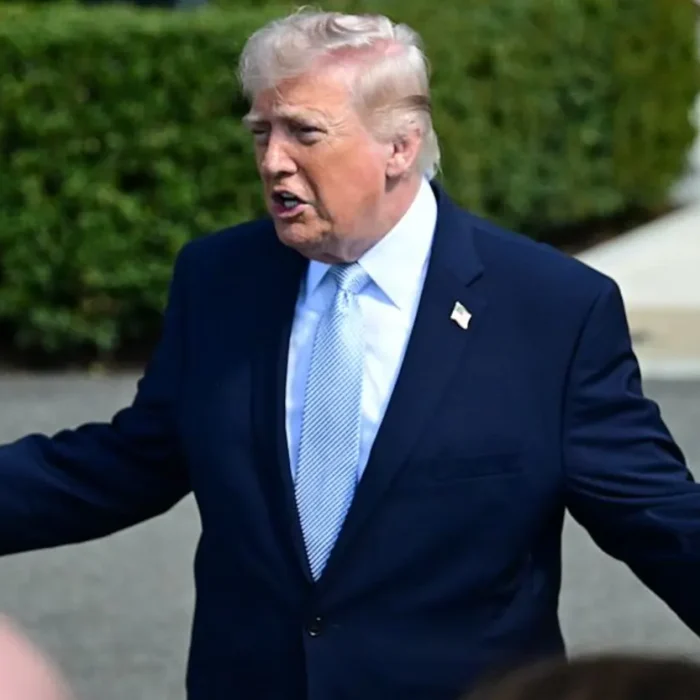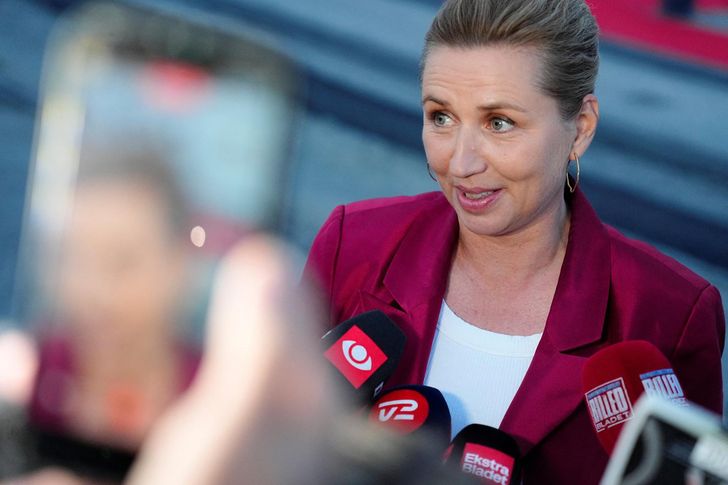
Mette Frederiksen’s third term as Denmark’s prime minister is now set to begin, cemented in large part by her unflinching resistance to U.S. President Donald Trump’s ambitions over Greenland. Her return to power positions the 48-year-old Social Democrat as one of Europe’s most seasoned and resilient leaders at a moment of deep global uncertainty.
A Leader Defined by Crisis
Frederiksen has steered Denmark, a member of both the European Union and NATO, since mid-2019. With this latest mandate, she joins the ranks of Europe’s longest-serving heads of government.
Her enduring appeal owes much to how she has handled pressure from abroad. According to Carolin Hjort Rapp, a political scientist at the University of Copenhagen, two factors stand out behind Frederiksen’s success: her popularity among EU peers and her willingness to stand firm against Trump on the question of Greenland.
That firmness was tested early in January, when Trump renewed his push for the strategic, mineral-rich Arctic island to fall under U.S. control. Leaders in both Denmark and Greenland pushed back hard, insisting on the territory’s right to self-determination.
Standing Firm on Greenland
The Greenland dispute has become the defining theme of Frederiksen’s leadership. The crisis escalated dramatically in January, peaking with a brief threat from Washington to impose tariffs on European nations that opposed Trump’s call for American control of the vast island.
For many Danes, Frederiksen’s steady handling of that confrontation reinforced her image as a capable crisis leader. As one Copenhagen artist, Joachin Luther Rothenborg, put it, she is a good crisis prime minister, even if he felt she was less effective on the everyday problems ordinary people face.
A New Center-Left Government
The Mette Frederiksen third term also brings a notable political shift at home. After two months of negotiations, she has assembled a new center-left alliance that may let her step away from the unpopular conservative policies of her previous administration.
According to the Danish Royal House, the new coalition includes:
- Frederiksen’s Social Democrats
- The centrist Moderates, led by outgoing Foreign Minister Lars Løkke Rasmussen
- The Green Left (SF)
- The Danish Social Liberal Party
Hjort Rapp noted that both Frederiksen and Rasmussen managed to survive the March general election largely because of their prominent roles in the Greenland crisis. Even so, voters expressed clear dissatisfaction with the previous government’s record, with smaller parties on both the left and the far-right gaining ground.
A Vision for a Changing World
The incoming government laid out its priorities in a 70-page document that frames the post-World War II global order as undergoing profound change. It warned that the Russian threat to Europe, combined with growing uncertainty from the American side, is reshaping the security landscape.
In response, Frederiksen is expected to keep strengthening Denmark’s defenses and deepening cooperation with European allies, especially as the United States signals a reduced military role on the continent. She has been among Ukraine’s staunchest supporters since Russia’s full-scale invasion began in February 2022.
She expressed pride that Denmark now ranks among NATO’s top spenders, pledging to maintain that commitment. The figures back her up: Denmark spent 3.2% of its GDP on defense in 2025, nearly triple what it allocated in 2022.
Domestic Promises and Coalition Deals
While Frederiksen enjoys strong standing abroad, her domestic landscape is more complicated. The new governing vision unveiled this week bundles together a range of commitments designed to satisfy her coalition partners.
Key pledges include:
- Ambitious climate measures
- Efforts to reduce social inequality
- Tax relief for businesses
- More sustainable pig production
- Free dental care in the coming years
- A reduced value-added tax on some foods
- A proposed social media ban for children under 15
There were also signs of reversing earlier unpopular decisions. Danish media reported that the new government may eventually restore the Great Prayer Day, a national holiday her previous administration had scrapped to help fund higher defense spending.
A Center-Left Leader With Conservative Edges
Frederiksen’s politics defy easy labels. Facing pressure from a rising far-right, her previous cabinet drifted rightward, particularly on immigration. She had floated proposals such as a possible “emergency brake” on asylum and tighter controls on criminals lacking legal residence. Her government also advanced a plan to deport foreigners sentenced to at least a year in prison for serious crimes.
Her second term saw support soften as living costs climbed, but the Greenland standoff gave her a meaningful boost in popularity at a crucial moment.
Hope Among Voters
For some Danes, the shift to a center-left government offers renewed optimism. Bigitte Christensen, a fashion designer from Copenhagen, said the change gave her hope, tying it to Denmark’s cherished welfare model.
She acknowledged that much of it relies on taxpayer money but said she valued it deeply, believing that those with broader shoulders should help support people who are less fortunate.
The Road Ahead
As Mette Frederiksen’s third term gets underway, she faces the dual challenge of projecting strength abroad while addressing frustrations at home. Her firm stance on Greenland and steadfast support for Ukraine have made her a respected figure across Europe, even as questions linger about cost-of-living pressures and domestic discontent.
The coming years will test whether her crisis-tested leadership can translate into lasting solutions for everyday Danes, or whether her appeal remains rooted mainly in moments of confrontation on the international stage.
Author