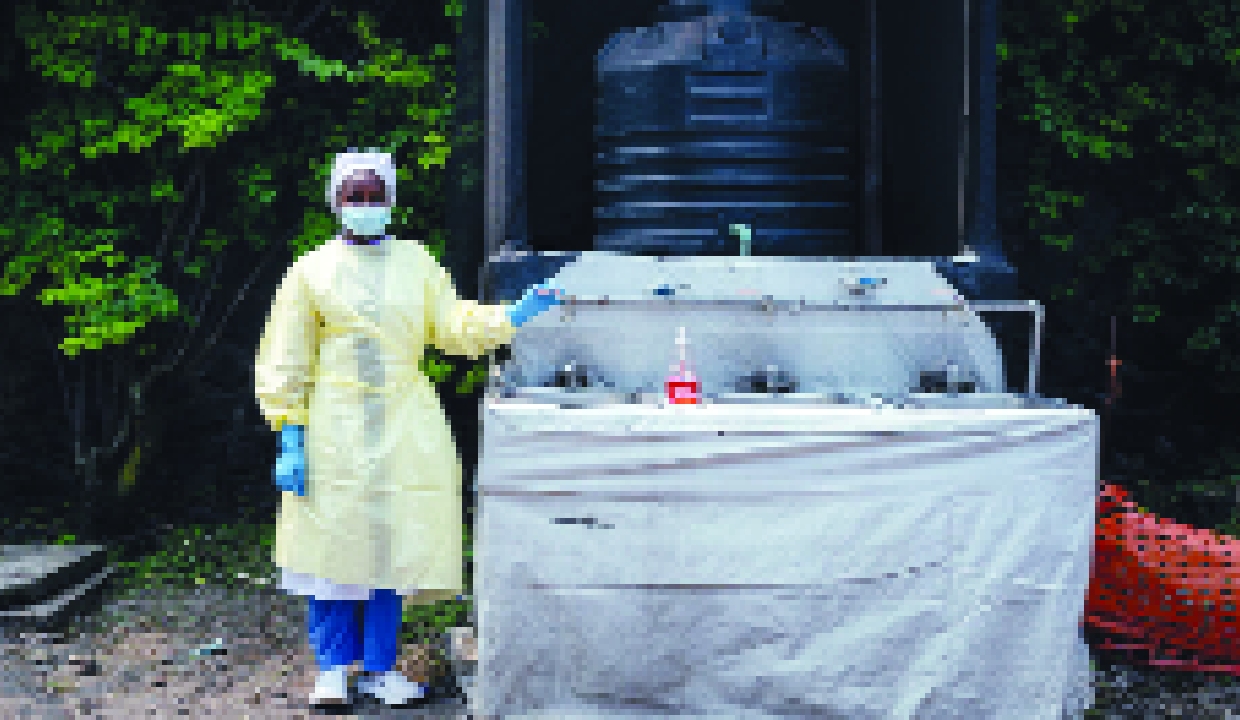
Ebola Outbreak in Eastern Congo: A Crisis Within a Crisis
The Ebola outbreak in Eastern Congo has escalated into a full-blown global health emergency, and the situation on the ground is growing more complicated by the day. Health workers are not just battling a deadly virus, they are also navigating armed conflict, community resistance, and a sharp decline in international aid. Together, these factors are turning what could have been a containable outbreak into a humanitarian nightmare.
A Wave of Attacks on Health Facilities
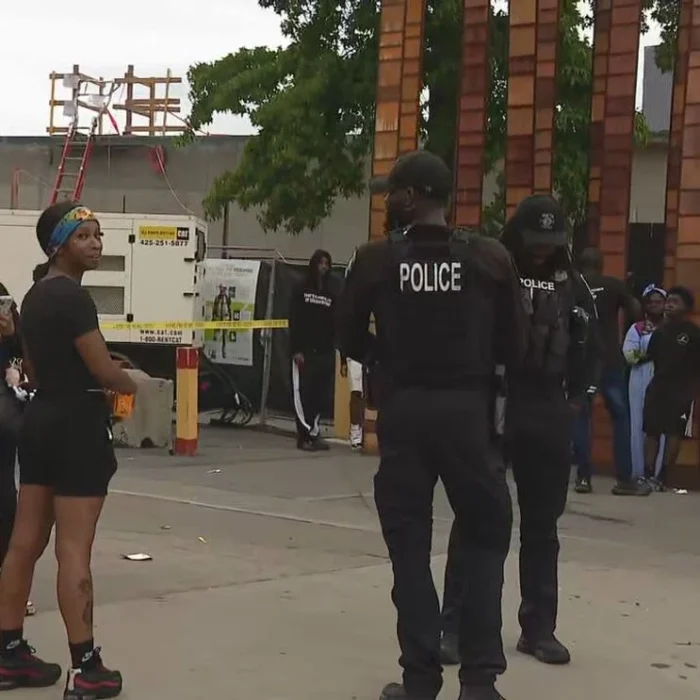
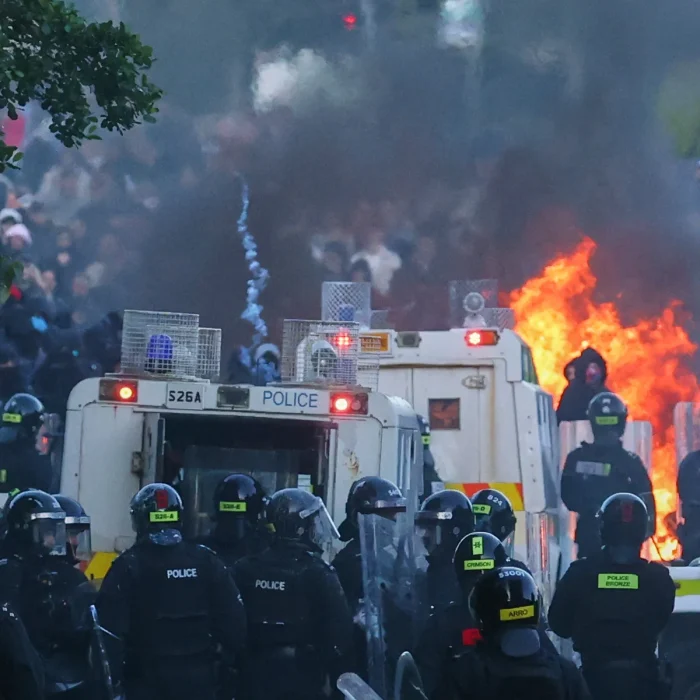
In a troubling sign of how fragile the response has become, angry residents stormed a hospital treating Ebola patients in the town of Mongbwalu, located in Ituri Province. According to Dr. Richard Lokudu, the hospital’s director, the attackers demanded the release of two bodies belonging to their relatives. Gunshots echoed through the area as medical staff rushed to evacuate patients to safety.
This wasn’t an isolated incident. Just days earlier, two health centers in the heart of the outbreak zone were torched. These violent episodes reflect deep frustration among locals who feel abandoned by both their government and the wider international community.
The nonprofit Physicians for Human Rights summed it up bluntly, warning that a series of overlapping emergencies are now colliding in the region.
Suspected Cases Cross 900 Mark
Officials in Congo confirmed that suspected Ebola cases have surpassed 900, with Ituri Province bearing the brunt of the outbreak. The Ministry of Communication reported 904 suspected cases and 119 deaths, although regional figures added up to a higher toll of 220 fatalities. The discrepancy remains unexplained, raising concerns about the accuracy of the data being collected in such a chaotic environment.
Cases have also surfaced in North Kivu and South Kivu provinces, areas largely controlled by M23 rebels, and have even crossed the border into neighboring Uganda.
Why Eastern Congo Is Especially Vulnerable
Eastern Congo has been a battleground for decades. Dozens of armed factions operate in the region, some of them tied to foreign powers or extremist networks like the Islamic State.
Among the most dangerous groups is the Allied Democratic Forces, a Ugandan Islamist faction known for brutal attacks on civilians. The Rwanda-backed M23 rebels also hold significant territory. While the central government still controls parts of Ituri, that grip is shaky at best.
Doctors Without Borders had already warned, even before the outbreak began, that worsening insecurity in Ituri was driving medical professionals away, leaving hospitals overwhelmed and, in some areas, in catastrophic shape.
According to the United Nations, nearly one million people have been displaced from their homes in Ituri alone due to ongoing conflict.
The Outbreak Meets a Broken System
Gabriela Arenas, a regional coordinator with the International Federation of Red Cross and Red Crescent Societies, pointed out that this outbreak is happening in communities that were already struggling with displacement, violence, and crumbling healthcare infrastructure.
There is growing fear that the virus could rip through the displacement camps near Bunia, where the very first cases were detected. Crowded conditions, limited sanitation, and poor access to medical care make these camps a tinderbox for rapid transmission.
Aid Cuts Are Making Everything Worse
Last year’s reductions in international aid, particularly from the United States and other wealthy nations, have hit Eastern Congo especially hard.
Thomas McHale, public health director at Physicians for Human Rights, explained that these cuts have severely weakened the region’s ability to detect and respond to infectious disease outbreaks. This isn’t Congo’s first encounter with Ebola, the country has dealt with more than a dozen outbreaks before, but the system supporting the response is now drastically weaker.
Frontline workers are reporting critical shortages of basic supplies. They lack:
- Protective face shields and full-body suits for medical staff
- Testing kits to confirm cases
- Body bags and materials for safe burials
- Adequate sanitation supplies for hospitals
Julienne Lusenge, who leads Women’s Solidarity for Inclusive Peace and Development, runs a small hospital near Bunia. She said her team has appealed to multiple partners for help, but very little has arrived. For now, they are getting by with just a handful of masks and some hand sanitizer.
No Vaccine for This Strain
Making the situation even more difficult, the strain driving this outbreak, the Bundibugyo type of the Ebola virus, has no approved vaccine or treatment. That means containment depends almost entirely on early detection, isolation, and safe burial practices.
Why Communities Are Pushing Back
Colin Thomas-Jensen of the Aurora Humanitarian Initiative believes the hostility toward health workers reflects something deeper than fear of disease. He argues that years of violence, neglect, and broken promises have created a population that simply does not trust outside authorities anymore.
Tensions are also rising over how the dead are being handled. Ebola victims’ bodies are highly infectious, so authorities have taken control of burials wherever possible. This clashes with traditional funeral practices, where families wash and prepare the bodies themselves and large gatherings are held to mourn.
To slow the spread, officials have banned funeral wakes and any gatherings of more than 50 people. In some areas, soldiers and police now stand guard during burials carried out by aid teams, an image that many locals find deeply distressing.
The Road Ahead
The Ebola outbreak in Eastern Congo is more than a medical emergency. It is a stark reminder of how war, poverty, and political failure can turn a disease outbreak into a catastrophe. Without urgent international support, stronger local trust, and a coordinated response, this crisis risks spiraling even further out of control.
Author