Xi Jinping Declares China’s Bid for Global AI Dominance
China has laid down a clear marker in the race to lead the world’s most transformative technology. President Xi Jinping used a high-profile appearance to position China as a rival to the United States for global AI leadership, framing the effort around cooperation, responsibility, and outreach to developing nations. The timing was no accident — it came just as Beijing rallied a new international coalition that could hand it greater sway over how AI evolves worldwide.
The message was ambitious and carefully calibrated: China wants not just to compete on technology, but to shape the rules everyone else plays by.
Xi’s Call for a “Positive Direction”
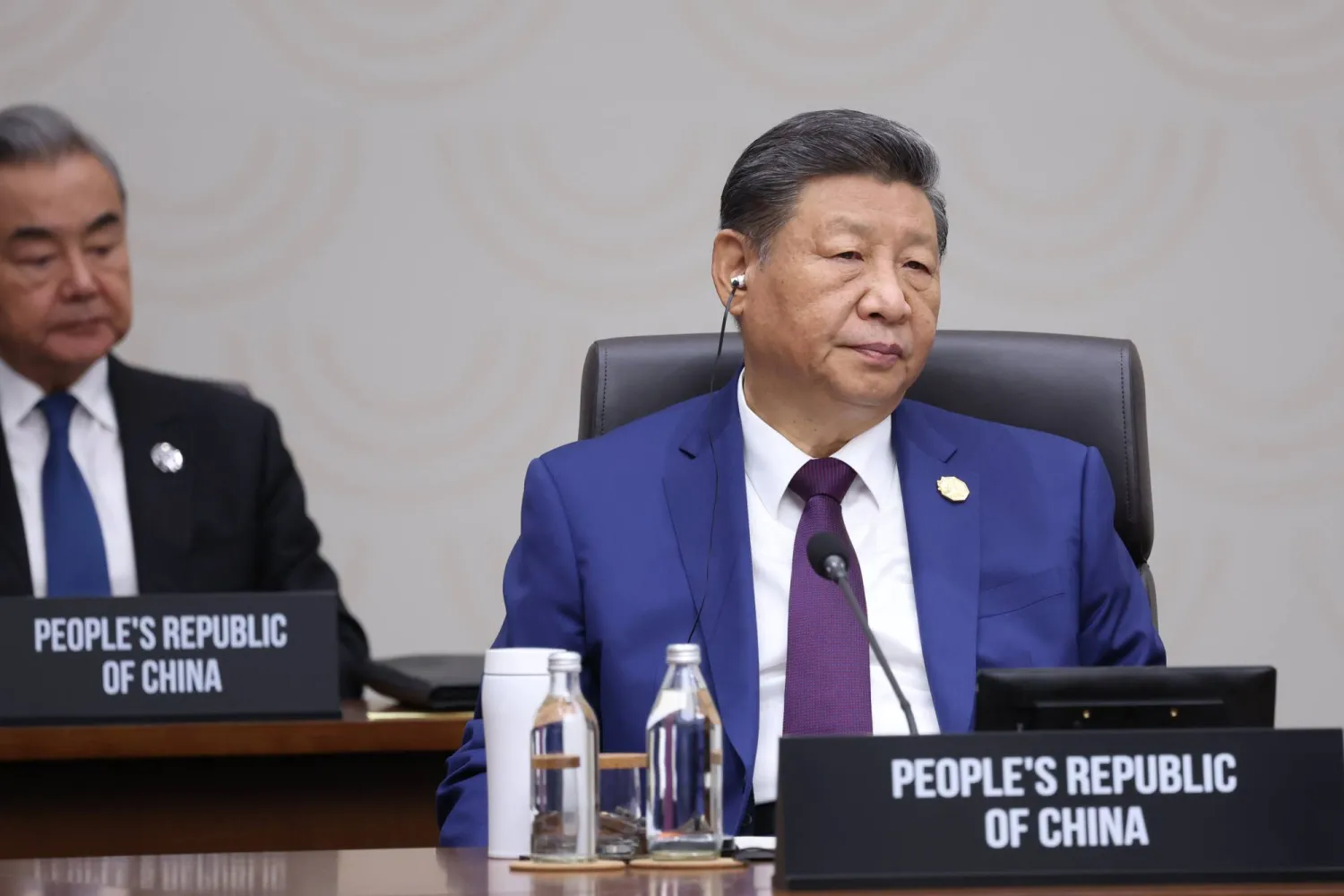
Speaking at an AI conference in Shanghai on Friday, Xi struck a tone that blended ambition with caution. He argued that as artificial intelligence advances at what he called a staggering speed, the need for a positive direction only grows more urgent.
Rather than downplaying the technology’s dangers, Xi leaned into them. He called for more precise oversight and governance, urging swifter action to refine measures that would prevent AI from spiraling out of control. It was a deliberate framing — presenting China not as a reckless competitor, but as a responsible steward eager to guide the technology safely.
He paired that message with a pledge of international cooperation, promising that China would offer training to developing countries and help them build their own AI capabilities.
A New Coalition Takes Shape
The centerpiece of Beijing’s strategy is a freshly formed international body. Just a day before Xi’s speech, nearly 30 countries — including Russia, Brazil, and Indonesia — signed on to the newly created World Artificial Intelligence Cooperation Organization.
Xi hailed the group as an important milestone in the history of AI development. Beyond the ceremony, the organization carries real strategic weight. It stands to give China influence over crucial domains such as international standard-setting for AI, at a moment when the country’s large language models are increasingly competing with American rivals for global reach.
Attending the Shanghai conference for the first time, Xi framed the effort as a response to the wider world’s needs. He described it as a major move to answer the call of the global south and unite the international community, invoking a Chinese saying that a single string cannot make music and a single tree does not make a forest. AI, he insisted, should not be a solo performance by one country but a symphony of international cooperation.
Closing the Gap With the US
China’s diplomatic push is backed by genuine technological momentum. The country’s AI start-ups have been releasing increasingly powerful, state-of-the-art models that narrow the gap with the United States and challenge American dominance in the field.
That progress was on vivid display this week. On Thursday, the Chinese AI start-up Moonshot unveiled a large language model with capabilities approaching those of cutting-edge U.S. labs. The advance underscores how quickly Chinese firms are catching up, giving Beijing’s cooperation pitch far more credibility than it might have carried just a few years ago.
State media reinforced the urgency. A commentary in the state-run People’s Daily this week argued that the risks and challenges posed by AI are becoming ever more prominent, making stronger governance more necessary than ever.
Courting the Developing World
Much of China’s strategy is aimed squarely at emerging economies, where Beijing sees an opening to expand its influence.
Xi announced a series of concrete commitments designed to draw developing nations closer:
- 5,000 “opportunities” in AI training and seminar programs for developing countries over the next five years
- Plans to develop international AI application cooperation centers
- A pledge to promote open-source AI globally as a lower-cost alternative to Western offerings
That open-source push, laid out in an action plan from China’s powerful state planner, the National Development and Reform Commission, could prove especially appealing to countries seeking affordable technology. By helping other nations build their AI systems on open-source models, Beijing positions itself as a generous partner rather than a distant competitor.
The diplomacy is already personal. Xi told Kazakhstan’s President Kassym-Jomart Tokayev, in Shanghai for the conference, that China was willing to share its digital economy and AI technologies to help Kazakhstan achieve its own digital transformation.
Why Nations Are Signing On
For many of the countries joining China’s orbit, the appeal is practical as much as political. Analysts suggest that members of the new AI organization hope aligning with Beijing will let them tap into its growing technological strength.
Indonesia offered a telling example. Ahead of the signing, its state-owned news agency indicated that participation in the coalition was expected to boost investment in the high-technology sector and help transform the country’s economy. The logic is straightforward — partnering with a rising AI power could deliver investment, expertise, and infrastructure that would otherwise be hard to secure.
Western Companies Take Notice
The pull of Chinese AI isn’t limited to developing nations. Some Western companies, including DoorDash, Siemens, and Airbnb, have begun switching to Chinese models that are cheaper, increasingly capable, and in some cases easier to run on their own infrastructure.
Recent turbulence in U.S. policy has added to the appeal. Last month, the Trump administration imposed export controls on Anthropic’s advanced Mythos and Fable models, forcing businesses in Europe to reckon with the risks of relying too heavily on American technology. The administration later reversed course, lifting the ban after pushback from Silicon Valley and foreign governments — but the episode highlighted a vulnerability that Chinese firms are eager to exploit.
The Bigger Picture
Xi’s Shanghai appearance reflects a broader contest that extends well beyond any single product or company. At stake is not merely who builds the best AI, but who sets the standards, shapes the norms, and wins the loyalty of the many nations still deciding where to place their bets.
Several dynamics are driving this new phase of competition:
- China is pairing rapid technological gains with aggressive diplomatic outreach
- A new international body could give Beijing lasting influence over global AI rules
- Open-source and low-cost offerings appeal to countries priced out of Western alternatives
- Uncertainty in U.S. policy has opened the door for Chinese firms to court new customers
Looking Ahead
China’s ambitions in artificial intelligence are now unmistakable, and Xi’s remarks signal a determined effort to translate technological progress into global leadership. Whether Beijing can convert its coalition-building and outreach into durable influence remains to be seen, but the direction is clear.
As the world’s two largest economies vie for the commanding heights of AI, the competition is no longer just about faster models or bigger breakthroughs. It’s about who gets to define the future of a technology reshaping nearly every corner of modern life — and China has made plain that it intends to be at the center of that story.
Author