Russian Strikes Kill Four in Ukraine as Zelenskyy’s Defense Shake-Up Sparks Fury
Ukraine is grappling with a wave of deadly Russian attacks and a political storm of its own making, all at once. Overnight strikes killed at least four civilians and wounded 20 more, even as President Volodymyr Zelenskyy scrambles to contain the fallout from a sweeping government reshuffle that has angered the public and rattled the country’s military leadership.
The Ukraine defense shake-up, which cost a popular minister his job, has landed at an especially delicate moment — just as the country had been gaining ground in its long war against Russia’s invasion.
A Reshuffle That Backfired
Zelenskyy’s overhaul of his government on Thursday was meant to reposition his administration, but it quickly turned into a crisis. The changes, which included naming a new prime minister, unsettled Ukraine’s military establishment and set off a wave of public anger.
The timing could hardly have been worse. Ukraine had recently found renewed momentum in its fight against a Russian invasion now stretching beyond four years, making the self-inflicted turmoil an unwelcome distraction from the battlefield.
At the heart of the uproar was the abrupt removal of a figure many Ukrainians had come to admire.
The Fall of a Popular Minister
The reshuffle’s most explosive element was the sudden exit of Mykhailo Fedorov from the defense ministry. Young, energetic, and widely liked, the 35-year-old had held the post for just six months before his dismissal.
Fedorov’s departure struck a nerve. Thousands took to the streets in cities across Ukraine on Thursday to protest his removal, with further demonstrations expected the following day. His popularity was no accident — he is widely credited as the driving force behind Ukraine’s rapid and successful technological innovation, along with reforms such as the fight against military corruption. For many Ukrainians, he symbolized fresh hope in a grinding war.
So why was he pushed out? According to Zelenskyy, relations between Fedorov and Gen. Oleksandr Syrskyi, the commander of Ukraine’s armed forces, had broken down entirely. Syrskyi, who began his military career back in the Soviet era, reportedly clashed with the younger minister to the point where Fedorov’s position became untenable.
A New Face at the Defense Ministry
To fill the void, Zelenskyy turned to a figure with a formidable reputation in Ukraine’s security world. He asked Maj. Gen. Yevhen Khmara, the acting head of the state security service and a highly regarded special operations expert, to take over the defense minister’s duties.
Khmara’s résumé is striking. He has led the SBU security service since January and previously commanded its elite Alpha special forces unit. Perhaps most notably, he is known as an architect of Operation Spiderweb, one of Ukraine’s most spectacular attacks, which struck Russian air bases last year. He joined the Alpha unit in 2011, rose to command it in 2023, and earned promotion to major general the following year.
Yet his path to the role isn’t guaranteed to be smooth. Several obstacles stand in the way:
- Ukrainian law requires the defense minister to be a civilian, meaning a serving soldier or security officer must leave active service before being formally appointed.
- Parliament must formally approve the appointment, a step Zelenskyy said he would request.
- Lawmakers are on summer recess through mid-August, which could stall the process through bureaucratic delays.
The Human Cost of Overnight Strikes
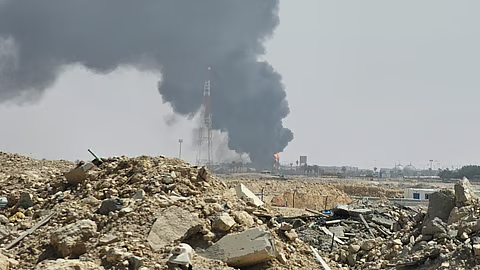
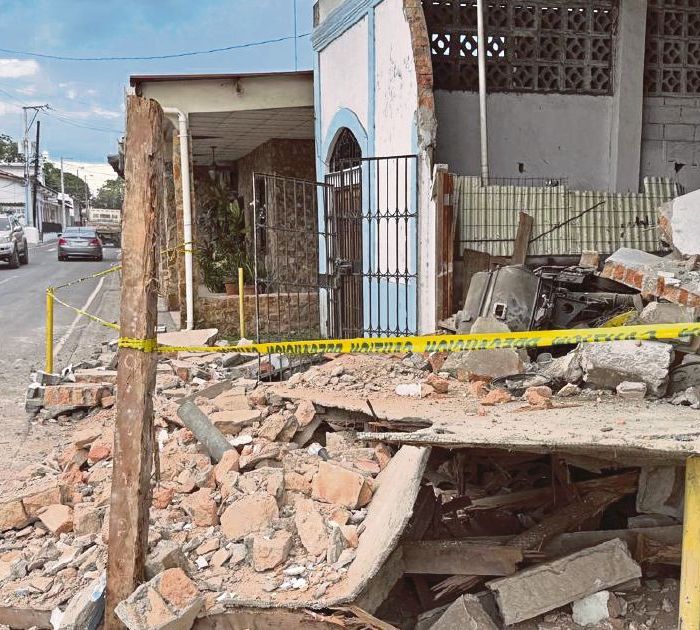
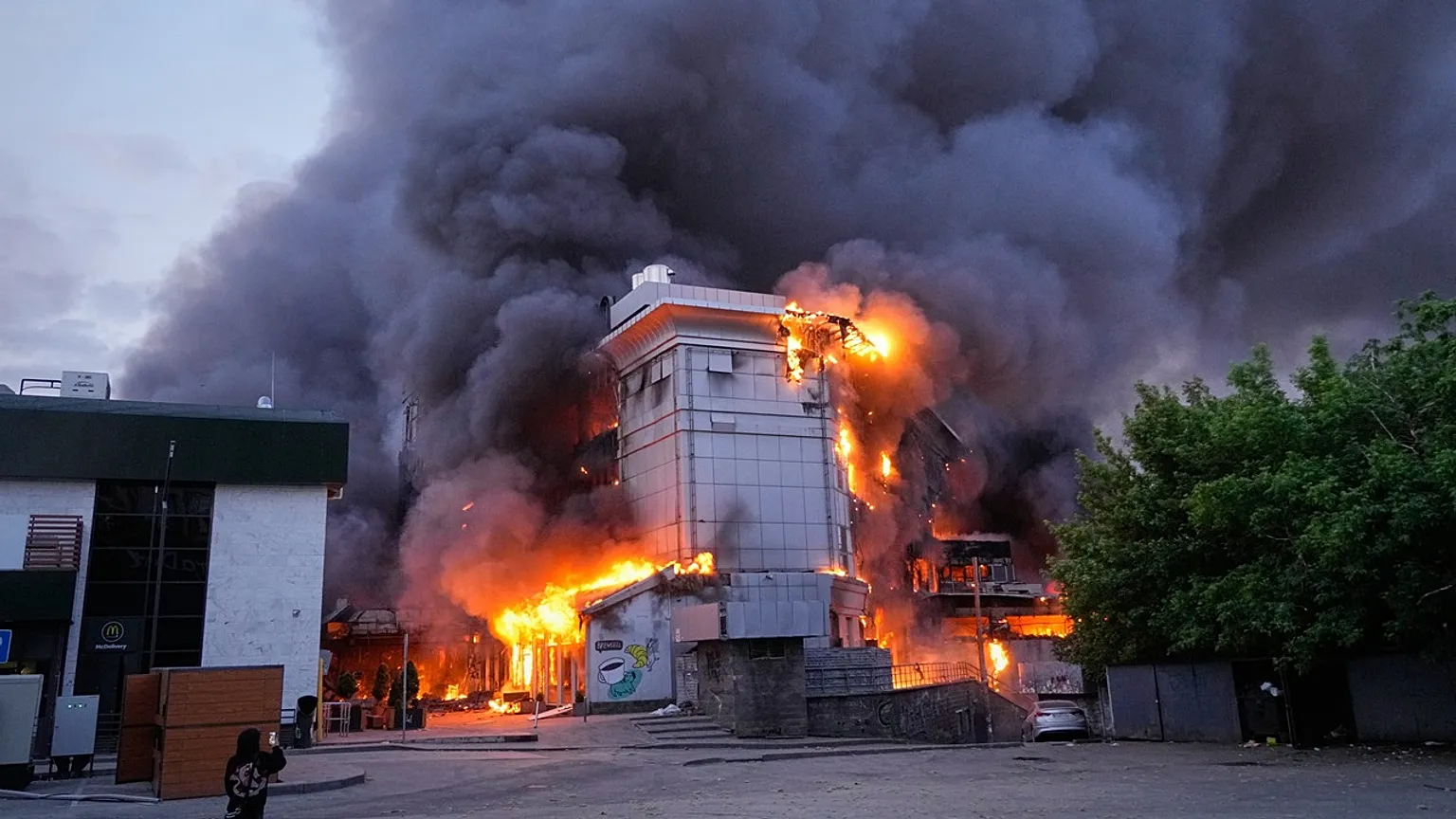
While Kyiv wrestled with its political drama, the war’s brutal reality continued unabated. Russian attacks overnight left a trail of death and injury across multiple regions.
The southern port city of Odesa bore some of the worst of it. A Russian missile attack there killed two people and injured 10 others, including children, according to regional military administration head Oleh Kiper. Among the dead was a woman who had been walking in a park with her children — the children survived.
Elsewhere, the toll mounted:
- In the Zaporizhzhia region, two people were killed and five injured in a strike.
- In the northeastern Kharkiv region, three people were wounded by Russian shelling.
- Officials reported additional injuries from Russian strikes across five other regions.
The pattern reflects a grim strategy. Facing setbacks on the battlefield and mounting pressure from Ukraine’s targeting of Russian oil facilities — which has triggered severe fuel shortages — Moscow has increasingly focused on relentless strategic bombing of Ukrainian civilian areas.
The War Cuts Both Ways
The violence has not been one-sided. Ukraine continues to strike deep into Russian-controlled territory, and Moscow reported significant activity of its own.
Russia’s Defense Ministry claimed that its air defenses downed 243 Ukrainian drones overnight into Friday. On the other side of the ledger, Vladimir Saldo, the Moscow-appointed head of the Russia-occupied part of Ukraine’s Kherson region, said Ukrainian drone attacks over the previous 24 hours had killed three civilians and injured seven more.
These competing casualty reports underscore how the conflict has become a war of attrition fought across both territory and technology, with civilians on both sides caught in the crossfire.
The Bigger Picture
Taken together, the events of the past 24 hours reveal a country fighting on two fronts — one against an external enemy, the other against internal discord.
Several tensions now converge on Zelenskyy at once:
- A popular reformer’s dismissal has sparked protests and questions about the government’s direction
- A respected but legally complicated successor faces a potentially slow confirmation
- Russia is intensifying its bombing of civilian areas even as Ukraine strikes back
- The political upheaval threatens to distract from hard-won battlefield momentum
Looking Ahead
The coming days will test Zelenskyy’s ability to steady both his government and his nation. With street protests expected to continue and Khmara’s appointment tangled in legal and legislative hurdles, the political crisis shows no sign of quick resolution.
Meanwhile, the war grinds on, indifferent to Kyiv’s internal struggles. As missiles continue to fall on cities like Odesa and drones cross the front lines in both directions, ordinary Ukrainians bear the heaviest burden — caught between a relentless external assault and the uncertainty of a government in flux. How Zelenskyy navigates this dual challenge may prove pivotal, not just for his leadership, but for the trajectory of a war that has already reshaped the region for years to come.
Author