Ebola Outbreak 2026: How a Weakened U.S. Response System Faces Its Toughest Test
The Ebola Outbreak 2026 is rapidly turning into a defining test for America’s pandemic preparedness. As the deadly virus spreads through parts of the Democratic Republic of Congo and Uganda, the United States is responding with a system that looks dramatically different from the one that helped contain previous outbreaks. With key agencies dismantled, no central coordinator in place, and growing confusion between governments, the global health community is asking a critical question — is the U.S. still equipped to lead during a major outbreak?
A Crisis Unlike the One in 2014
When Ebola surged across West Africa in 2014, the White House moved decisively. President Obama appointed an “Ebola czar” to coordinate efforts across the Pentagon, CDC, USAID, Homeland Security, hospitals, and foreign governments. Military assets were deployed, airport screening was rolled out, and treatment centers were built overseas.
That response became the foundation of a federal “pandemic playbook,” a guide outlining how the U.S. should mobilize when a serious biological threat emerges. But more than a decade later, that playbook appears largely sidelined.
According to multiple officials familiar with internal deliberations, today’s U.S. response to the new Ebola outbreak relies more on fragmented agency calls than a unified government-wide effort. There is currently no formal interagency coordinating structure in place — a sharp contrast to past outbreaks.
A Weakened Response Infrastructure
Many of the people and agencies that once powered America’s outbreak response are no longer in place. USAID, which played a central role in past Ebola operations, has been dismantled under the current administration. The National Security Council office focused on health security and outbreak response has also been eliminated.
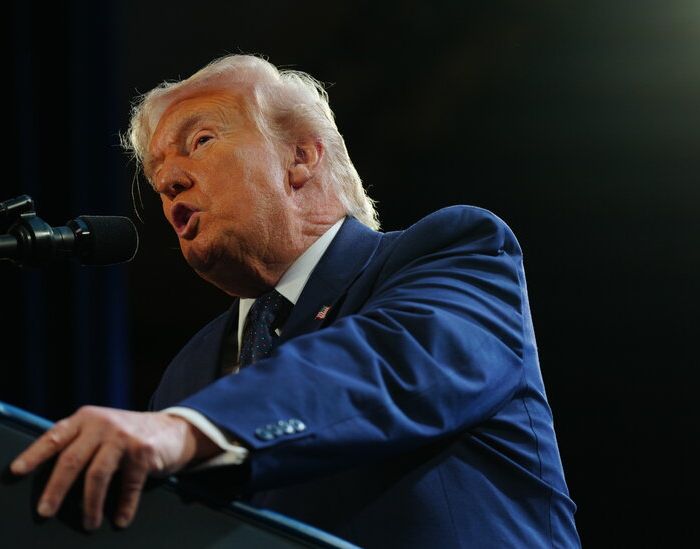
A congressionally mandated White House pandemic response role has remained vacant for months. Officials say the Trump administration is actively searching for an Ebola czar, but the right candidate has yet to be found.
Former officials warn that the absence of strong White House coordination could cripple the response. As Ron Klain, the original 2014 Ebola czar, put it bluntly — the playbook exists, but the players who execute it must also be in place.
Confusion Across Borders
Early signs of disorganization have already emerged. After the State Department announced that the U.S. was helping set up 50 treatment clinics in Ebola-affected areas of Congo and Uganda, Uganda’s Ministry of Health quickly responded on social media saying it had not been consulted about any such project.
State Department officials later clarified that the location and structure of the clinics would be determined in coordination with local governments and frontline responders. Still, the public miscommunication raised alarms about how seamlessly the U.S. is operating with affected nations.
The White House Defends Its Response
White House spokesman Kush Desai pushed back against criticism, saying the administration acted quickly after being notified of the outbreak. According to him, top medical experts were convened, aid was deployed, screening measures were strengthened, American citizens were airlifted out of Congo, and travel restrictions were enforced.
Desai added that the National Security Council, Homeland Security Council, and Domestic Policy Council are coordinating with the Departments of Health and Human Services, State, Homeland Security, and War, along with international partners.
Secretary of State Marco Rubio echoed the urgency, declaring that protecting Americans from Ebola is the administration’s top obligation. He also criticized the World Health Organization for its slow initial response.
The CDC Takes the Lead
State Department officials say the CDC remains the lead federal agency for the response. A 24/7 task force has been activated to manage operations, consular affairs, and public health screenings, staffed in part by officials with experience from previous Ebola outbreaks.
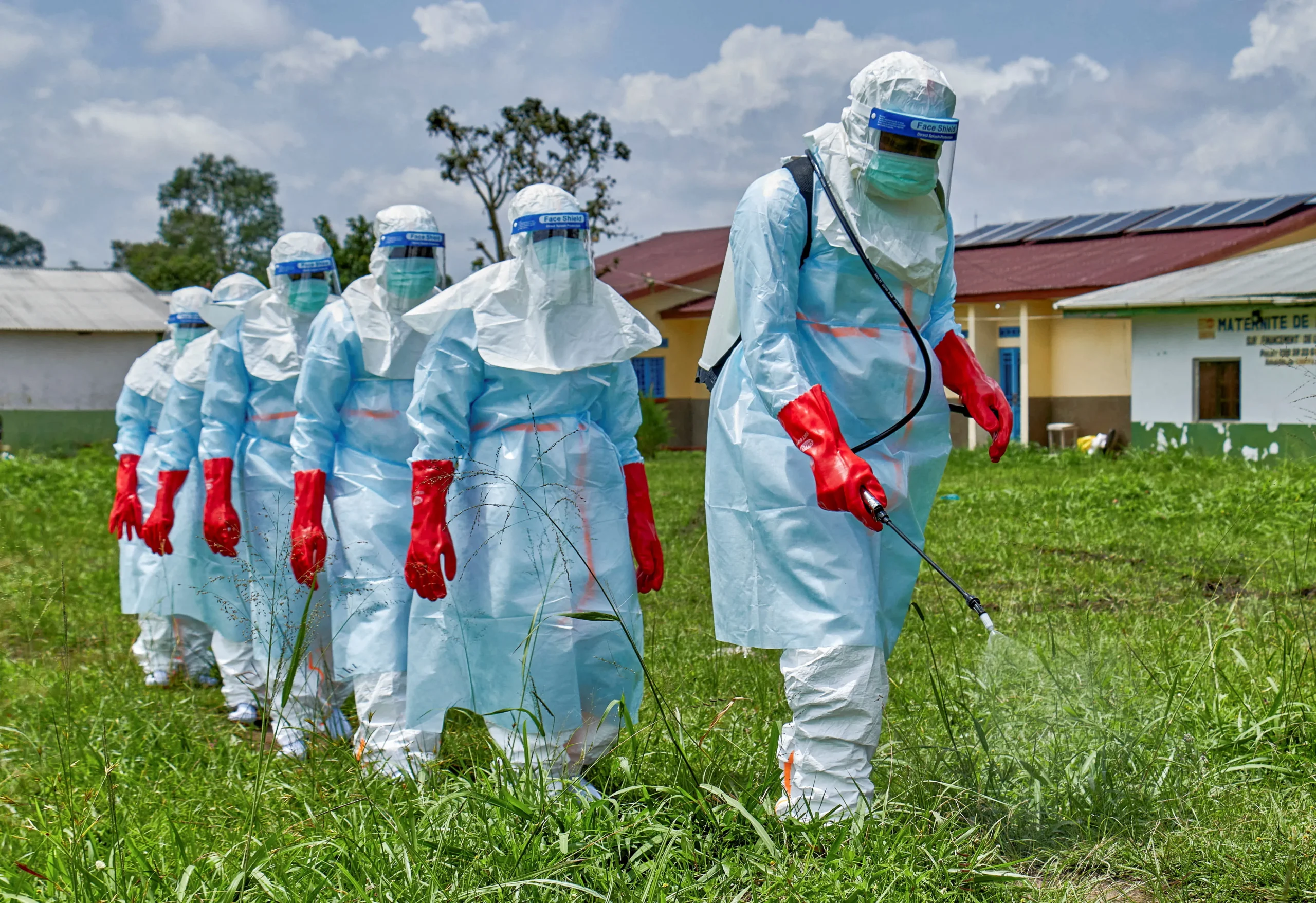
Special disaster-response teams have already been deployed to Congo and Uganda — a move officials say happened far faster than during the 2014 outbreak.
New traveler screening procedures have also been implemented. All flights from affected regions are being funneled through Washington Dulles International Airport, where passengers undergo temperature checks, fill out health questionnaires, and are monitored by CDC personnel for symptoms.
Why This Outbreak Is Different
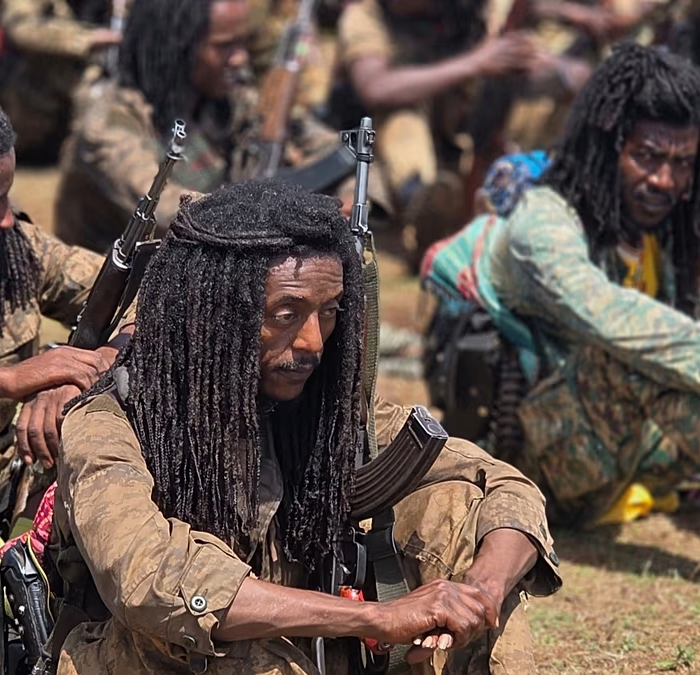
What makes this outbreak even more concerning is the strain involved. Unlike the 2014 Zaire strain, this one is driven by the Bundibugyo virus, for which there is no approved vaccine or treatment. Authorities in Congo and Uganda first reported the outbreak on May 15.
Already, the WHO has reported nearly 750 suspected cases and 177 deaths in Congo, making it one of the largest Ebola outbreaks in recent years.
Several factors are making containment difficult:
- The outbreak is located in remote regions with weak healthcare infrastructure
- Armed militias operate in parts of the affected areas
- Local communities deeply distrust government authorities
- Logistics, supplies, and trained staff are severely limited
Experts fear what could happen if the virus spreads into refugee camps in South Sudan, where overcrowding and poor sanitation could allow it to spread rapidly.
The Missing Pieces of the Playbook
Former officials emphasize how critical White House coordination has been in past outbreaks. During the 2022 mpox outbreak, for example, the Biden administration was able to bypass red tape and use Pentagon assets to deliver delayed vaccine shipments. That kind of high-level intervention, they argue, simply cannot be done by individual agencies acting alone.
With USAID gone, the CDC has lost a key partner that previously handled logistics, supplies, and field operations during global health emergencies. Former officials say USAID’s “checkbook and known partners” allowed for rapid mobilization on the ground — a function that has yet to be fully replaced.
Concerns From the Frontlines
Aid organizations working in Congo are already sounding alarms. Save the Children’s country director, Greg Ramm, said essential supplies such as gloves, chlorine, disinfectants, protective gear, and body bags are running low after recent aid cuts forced cutbacks at many local clinics.
Robert Batusa of World Relief DR Congo, currently working in Goma, said he fears the outbreak could spiral if international support doesn’t expand quickly. He worries that thousands of cases may already be circulating undetected.
A Critical Test for U.S. Global Leadership
The Ebola Outbreak 2026 is forcing the United States to confront uncomfortable questions about its readiness for global health crises. With dismantled agencies, missing leadership, and a virus strain harder to fight than previous ones, the stakes have rarely been higher.
Whether the U.S. response can rise to the challenge — and protect both Americans and vulnerable populations abroad — may depend on how quickly the administration rebuilds coordination structures that took years to establish. For now, the world is watching as another outbreak tests whether America’s pandemic playbook still holds up
Author