DHS Pushes States Toward a Citizenship Database That States Say Keeps Getting It Wrong
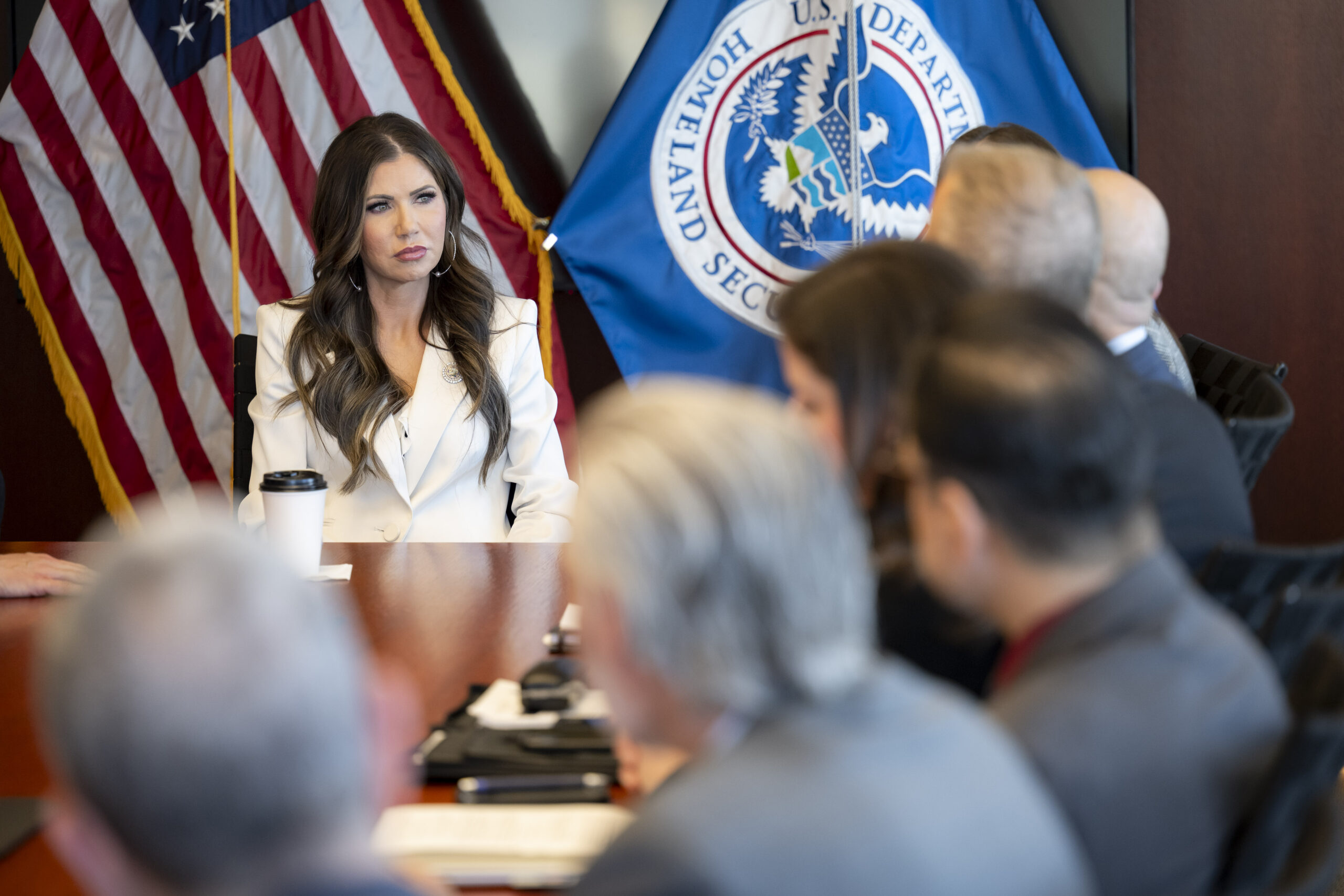
The SAVE system voter rolls dispute escalated Friday when Homeland Security Secretary Markwayne Mullin urged state election officials to scrub their registration lists, alleging that hundreds of thousands of non-citizens are registered to vote nationwide — with 250,000 concentrated in just four states.
The tool DHS wants states to use for that work has a documented history of misidentifying American citizens as non-citizens.
What SAVE Actually Is
The Systematic Alien Verification for Entitlements system is maintained by US Citizenship and Immigration Services. It was built to help determine eligibility for government benefits, not to audit elections.
Critically, it is not a registry of American citizens. It searches collections of federal records to help verify immigration and citizenship status for people already in those systems.
Before 2025, SAVE queries were limited to known immigrants, non-citizens and naturalized citizens checked against DHS data. Last year, the administration expanded it to verify citizenship for everyone registered to vote — including natural-born citizens.
That expansion depended on a second change: enabling queries using Social Security numbers and Social Security Administration data, which allowed bulk searches of state voter rolls using basic demographic information.
The Government’s Own Caveat
A USCIS fact sheet on the expanded system, since removed from the agency’s website, acknowledged the limitation directly. It stated that SAVE may be unable to confirm citizenship for someone not designated as a US citizen in SSA records.
The same document instructed states to take additional steps for any response other than a confirmed citizen result before removing anyone from the rolls.
In other words, the agency operating the system knew a non-confirmation was not evidence of non-citizenship.
Why the Underlying Data Fails
The Social Security Administration explained the problem itself in a 2023 response to a subpoena, stating that its citizenship data represents only a snapshot from the time of an individual’s interaction with the agency, and that its records do not provide definitive information about citizenship status.
The practical consequence: a naturalized citizen who never went back to update their file with SSA remains categorized as a non-citizen indefinitely.
The scale of that gap is not trivial. A 2006 audit cited by the nonpartisan Fair Elections Center found SSA citizenship data was inaccurate for seven percent of number holders classified as non-citizens — people who had in fact naturalized. At that time, seven percent represented roughly 3.3 million Americans incorrectly categorized.
The Brennan Center adds another structural flaw. SSA only began collecting and maintaining citizenship information for all applicants in 1978, meaning the database holds no comprehensive citizenship data for Americans born before that year.
What Happened When States Actually Tried It
Utah conducted a full citizenship review using SAVE in 2025, running more than 71,000 records through the system.
The initial results flagged nearly 9,000 people who could not be confirmed as citizens. Manual review then produced a very different picture:
- Over 5,600 were confirmed as citizens
- Roughly 5,000 remained unconfirmed
- 27 records were confirmed as non-citizens
- 25 more were assessed as likely non-citizens
Out of 71,000 records and 9,000 initial flags, the confirmed count was 27.
Texas encountered similar problems. In April, then-Secretary of State Jane Nelson wrote to a USCIS official saying her office had identified 2,724 possible non-citizens with county investigations ongoing — while urging the agency to ensure it was using accurate data.
She noted that county voter registrars had obtained citizenship documentation from Texas voters whom SAVE had flagged as potential non-citizens. She also flagged that state driver’s license records sometimes carry outdated citizenship information, and that clerical errors by registrars had occasionally registered people who had explicitly indicated on their applications that they were not citizens.
Asked about citizens being flagged, a DHS spokesperson said USCIS has improved the system and its processes, and implemented manual review to ensure accuracy.
The Four States and a Methodology Problem
Mullin sent letters Friday to top election officials in California, New Jersey, Pennsylvania and Nevada — the four states where the alleged 250,000 non-citizen registrations supposedly sit, and states that had declined to run their rolls through SAVE.
Copies obtained by ABC News show Mullin describing concerning results from an analysis of publicly available voter registration database information. The letters also acknowledge the figures come from a preliminary review, and request contact by a July 30 deadline.
They claim that for a portion of flagged registrants, name, date of birth, address and Social Security number matched a non-citizen in federal files.
That claim contains an apparent contradiction. Publicly available voter registration data does not include Social Security numbers.
Sean Morales-Doyle of the Brennan Center’s Voting Rights and Elections Program put it plainly, noting that if the identification came from public voter data, that data simply doesn’t contain the field being described — so the explanation doesn’t hold together.
He described the results as garbage in, garbage out if SAVE was used to cross-check public records, saying he had complete confidence the numbers are essentially worthless and conflict with all available data and history.
DHS declined repeated requests to confirm whether it used SAVE for the four-state analysis. Mullin did not explain his verification method to reporters. The White House referred questions to DHS, which pointed back to a social media post.
State Officials Push Back
California Secretary of State Shirley Weber said she would assess the claims but noted her office hadn’t received the letter as of Friday morning. She welcomed legitimate practices that comply with law and protect personal information, while saying the information presented did not inspire confidence in the methodology or conclusions.
Nevada Secretary of State Francisco Aguilar was blunter, calling the numbers wildly speculative at best and saying DHS had shared nothing to support them. He added that the administration has repeatedly demanded voter data without answering basic questions.
Courts Are Split
The expansion is tied up in conflicting litigation.
The US District Court for the District of Columbia found this summer that the expansion violated the Privacy Act, the Social Security Act and the Administrative Procedure Act, and blocked its use. The court noted that some states had been actively removing citizens from voter rolls at the government’s urging based on inaccurate information.
Weeks later, a federal judge in Florida ruled the government must continue providing access to four states.
The Justice Department told the D.C. court this month it was working to comply with both orders, with access restored only to states covered by the conflicting ruling. On Friday, the League of Women Voters filed a reply brief alleging DHS was still using the system, citing Thursday’s report among its evidence.
What’s Actually at Stake
Strip away the procedural detail and the question is straightforward: what happens to a citizen wrongly flagged?
Utah’s numbers suggest the error rate runs enormously high relative to actual findings. If states act on flags without exhaustive manual review — which is expensive and slow — eligible voters lose registration and often discover it only at the polls.
There is a real interest in accurate voter rolls. Nobody disputes that non-citizens should not be registered. The dispute is whether a benefits-eligibility database built on incomplete records from an agency that says its own citizenship data isn’t definitive is the right instrument for the job.
On the available evidence from the states that tried it, the answer looks like no.
Author