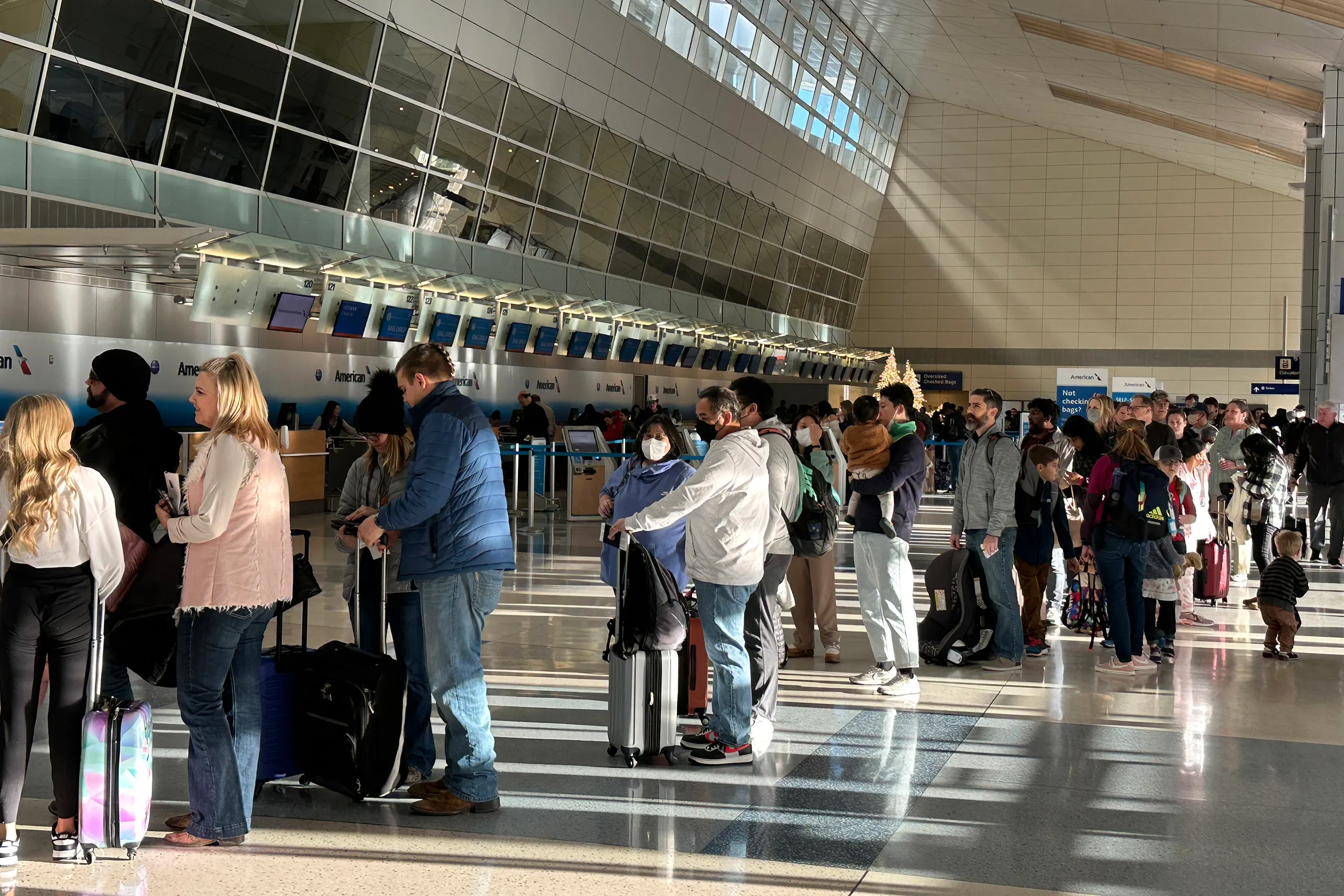
The DFW ablution facility plan is dead, cancelled within hours of Governor Greg Abbott threatening to pull state and federal grant money from Texas airports over what he characterized as unlawful religious favoritism.
Dallas Fort Worth International Airport confirmed late Friday that it would not move forward with the installation, a decision announced shortly after the governor made his funding review public.
What Abbott Did
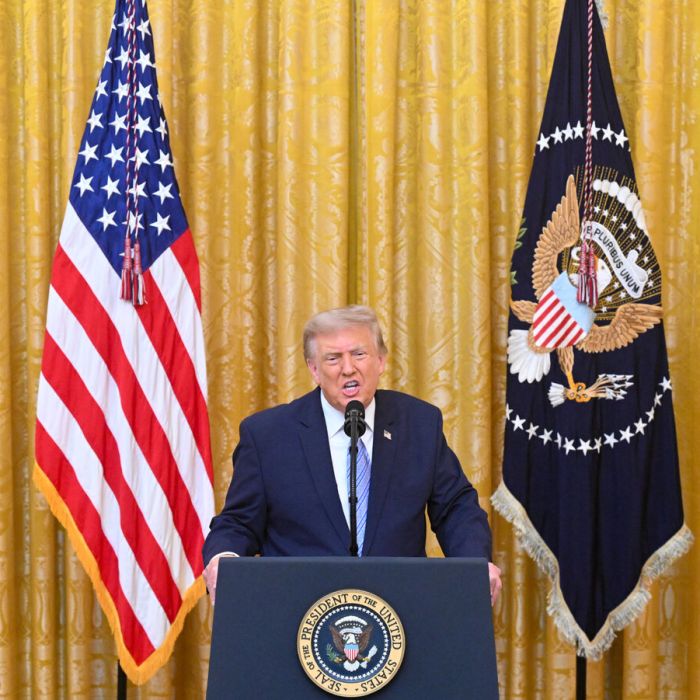
Abbott sent a letter to DFW chief executive Christopher McLaughlin, along with the mayors of Dallas, Fort Worth and Houston, informing them that his office had begun reviewing all grant funding tied to facilities at their airports.
He sent a separate letter to U.S. Transportation Secretary Sean Duffy, referring the airports for federal investigation.
In an accompanying news release, Abbott argued that the facilities appear built to give one segment of the population preferential treatment on religious grounds, which he called illegal. He noted that both airports are government-owned and asserted that state and federal constitutions bar public entities from enabling that kind of discrimination. Government cannot elevate the secular above the sacred, he said, and equally cannot elevate one faith above the rest.
His letter to the mayors made the consequence explicit: continued operation of the facilities would put funding at risk.
What an Ablution Facility Actually Is
At the center of the dispute is a fairly simple piece of plumbing.
Ablution stations are designed for wudu, the ritual washing Muslims perform before prayer, which involves rinsing the hands, arms, face and feet. Without a dedicated fixture, people typically attempt this at ordinary bathroom sinks — an arrangement that is awkward, unhygienic for other users, and a common cause of wet floors and slip hazards.
That practical dimension is part of why airports and other high-traffic public buildings have installed them.
These Facilities Are Not New
One notable element of the story is that neither airport was breaking new ground.
Houston’s airport has operated an ablution room since 2024, and it has been described as available to travelers of any faith. DFW told a local news outlet that it has had a station in place since 2019 — roughly seven years.
Houston airport officials did not immediately respond to requests for comment.
DFW’s Explanation
The airport’s cancellation statement made no mention of the governor’s threat.
A spokesperson said the project had been dropped after a determination that it would not deliver the operational benefits originally expected. The statement added that every proposed project is weighed against operational value, customer service effects, risk and cost before receiving approval.
The timing invited obvious skepticism, arriving as it did directly on the heels of a funding ultimatum.
A Familiar Playbook
Abbott has repeatedly used the threat of withheld money as leverage over Texas cities on issues that matter to the state’s Republican base.
Recent examples include:
- Threatening roughly $530,000 in grants to Grand Prairie unless the city cancelled an event at a water park that had initially been promoted as a Muslims-only gathering
- Warning cities last year that transportation funding was at risk unless they removed rainbow crosswalks installed as a show of support for LGBTQ+ residents
The mechanism is consistent: local governments depend on state pass-through dollars, and that dependence creates a pressure point that does not require legislation to apply.
Legislative Interest Too
Abbott’s letters followed one sent a day earlier by state Senator Tan Parker, a Republican from Flower Mound who chairs the Senate transportation committee.
Parker submitted a list of questions to DFW administrators focused on the funding mechanics behind the facility — specifically how a private donation for it was accepted and who provided the money.
The Political Backdrop
The dispute does not exist in isolation. Rhetoric targeting Islam has featured prominently in Texas Republican messaging throughout the year, with party leaders warning at length about what they describe as the Islamification of the state.
That context shapes how the funding threat is being read. Supporters see a straightforward church-and-state principle being enforced. Critics see a specific religious minority singled out for a facility that has existed quietly for years without complaint.
The Legal Question
The constitutional argument is genuinely contested, and reasonable lawyers land on both sides.
The case Abbott advances rests on the establishment clause: public money and public property should not be deployed to advantage one religion.
The counterargument holds that accommodation is not endorsement. Courts have long permitted governments to make practical adjustments allowing religious practice — chapels in hospitals, prayer rooms in airports, dietary options in prisons — without treating those adjustments as official favoritism. Under that reading, a sink is infrastructure serving a real need, not a state endorsement of a creed.
The distinction often turns on whether a facility is genuinely open to all users and whether comparable accommodations exist for others.
What Happens Now
DFW’s cancellation resolves the immediate flashpoint at that airport, but several threads remain open.
The grant reviews Abbott initiated are still active. The referral to the federal transportation department has not been withdrawn. Houston’s existing facility has not been addressed publicly by city officials. And Parker’s questions about the private funding source remain unanswered.
Whether this becomes a broader precedent for other Texas facilities, or ends as a single cancelled construction project, will depend on how far the reviews go and whether any legal challenge follows.
Author
-
Lucienne Albrecht is Luxe Chronicle’s wealth and lifestyle editor, celebrated for her elegant perspective on finance, legacy, and global luxury culture. With a flair for blending sophistication with insight, she brings a distinctly feminine voice to the world of high society and wealth.