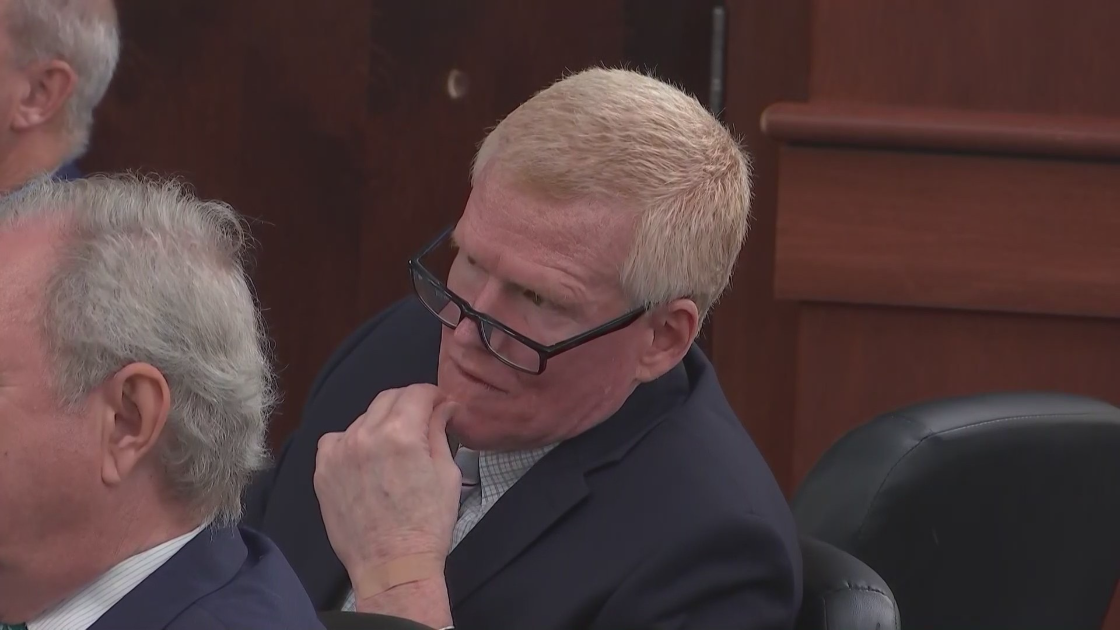
The Alex Murdaugh retrial took several significant turns on Friday, as a South Carolina judge agreed to move the proceedings out of Colleton County while simultaneously ruling that the disbarred attorney’s own words from his first trial can be replayed for a new jury.
The decisions came during a status hearing before Circuit Court Judge Debra McCaslin and shape the terrain on which the case will now be fought.
His Testimony Comes Back
Murdaugh took the stand at his 2023 trial — an unusual and heavily debated choice by his defense team. That decision now follows him into the new proceeding.
McCaslin ruled that jurors in the retrial may hear what he said the first time around, framing it simply: choosing to testify carries consequences. She added that admission would remain subject to how testimony develops during the trial itself, leaving room for objections as specific passages arise.
The practical effect is substantial. Prosecutors regain access to hours of statements made under oath, including responses given during cross-examination, without needing Murdaugh to take the stand again.
Venue Shifts
The defense won on location.
Attorney Dick Harpootlian argued that Colleton County had been thoroughly saturated by the case, describing residents being approached on the street for interviews and calling the county effectively poisoned for jury purposes. He made the point vividly, noting that the courthouse itself is bound up in the alleged wrongdoing.
Prosecutor Creighton Waters pushed back, framing the question differently. The concern, he said, is not the volume of pretrial coverage but whether prospective jurors are capable of honoring an oath to remain fair and impartial.
McCaslin sided with the defense. She stated she does not believe Murdaugh can receive a fair and impartial trial in Colleton County, and pointed to a concrete indicator from the earlier proceeding: fewer than one in seven prospective jurors questioned in 2023 were found qualified to serve.
She has not yet named a replacement county, saying she will issue a formal order addressing both the transfer and the destination.
Independent DNA Testing Approved
The judge also granted a defense request to conduct its own analysis of DNA material recovered from Maggie Murdaugh’s fingernails.
Fingernail evidence can carry particular significance in violent-death cases, since material lodged beneath nails may reflect contact during a struggle. Allowing the defense to test independently means the results will not rest solely on state laboratory work — and opens the possibility of competing expert interpretations at trial.
The Underlying Case
A grand jury indicted Murdaugh in July 2022 on double-murder charges in connection with the 2021 deaths of his wife, Margaret, 52, and their younger son, Paul, 22.
Murdaugh reported finding both bodies on the family’s hunting property. A coroner determined each had been shot multiple times.
A jury convicted him in 2023, and he received life sentences.
Why the Conviction Collapsed
Earlier this year, the state Supreme Court threw out those convictions, ruling that Murdaugh had been denied a fair trial because of conduct by Rebecca Hill, then serving as Colleton County Clerk of Court.
A motion seeking a new trial alleged that Hill told jurors not to credit Murdaugh’s testimony or defense evidence, applied pressure toward reaching a swift guilty verdict, and misrepresented information to the trial judge in an effort to have a juror removed whom she believed leaned toward the defense.
Hill denied those accusations and resigned from her position.
She later pleaded guilty to separate offenses: showing sealed court exhibits to a photographer and lying about it in court, along with two counts of misconduct in office. One of those counts involved promoting a book she had written about the trial. She was sentenced to a year of probation.
What These Rulings Mean
Taken together, Friday’s decisions produce a mixed picture.
The venue change is a meaningful defense victory. Moving to a county with less direct exposure to the case improves the odds of seating a jury without deep prior investment, though the case’s national profile limits how much distance any location can truly provide.
The testimony ruling cuts the other way. Murdaugh’s first-trial statements included admissions about lying to investigators regarding his whereabouts, material that prosecutors used heavily. Having that available again removes what might otherwise have been a clean slate.
The DNA testing sits somewhere in between — potentially valuable to the defense, potentially confirming the state’s position, with the outcome unknown until results return.
What Comes Next
McCaslin’s formal order will identify the county hosting the retrial and set the logistical framework for the proceedings. No trial date has been publicly confirmed.
The case will unfold under intense scrutiny, both because of the original conviction’s reversal and because the reversal itself centered on misconduct inside the courthouse. For the South Carolina judicial system, this second attempt carries an added burden: it needs to be seen as clean.
Author
-
Lucienne Albrecht is Luxe Chronicle’s wealth and lifestyle editor, celebrated for her elegant perspective on finance, legacy, and global luxury culture. With a flair for blending sophistication with insight, she brings a distinctly feminine voice to the world of high society and wealth.