British drones Ukraine strikes have drawn a direct warning from Moscow, after confirmation that UK-manufactured aircraft were used in recent attacks on military and industrial sites inside Russia. The Russian embassy in London accused Britain of choosing escalation and cautioned that deeper involvement would carry a higher cost.
The statement stopped short of specifying what form any retaliation might take. It said only that London’s actions would inevitably produce consequences the country would have to answer for.
Britain’s Response
The UK Ministry of Defence gave no ground. A spokesperson said Britain stands shoulder to shoulder with Ukraine and that Russia should harbour no doubt about the government’s determination to oppose Russian aggression — in Ukraine and against the UK and its allies.
The department reiterated its commitment to supplying whatever equipment Ukraine requires to defend itself against what it describes as an illegal invasion ordered by President Vladimir Putin.
Britain has ranked among Kyiv’s most significant international backers since the full-scale invasion began in February 2022.
What the Drones Have Done
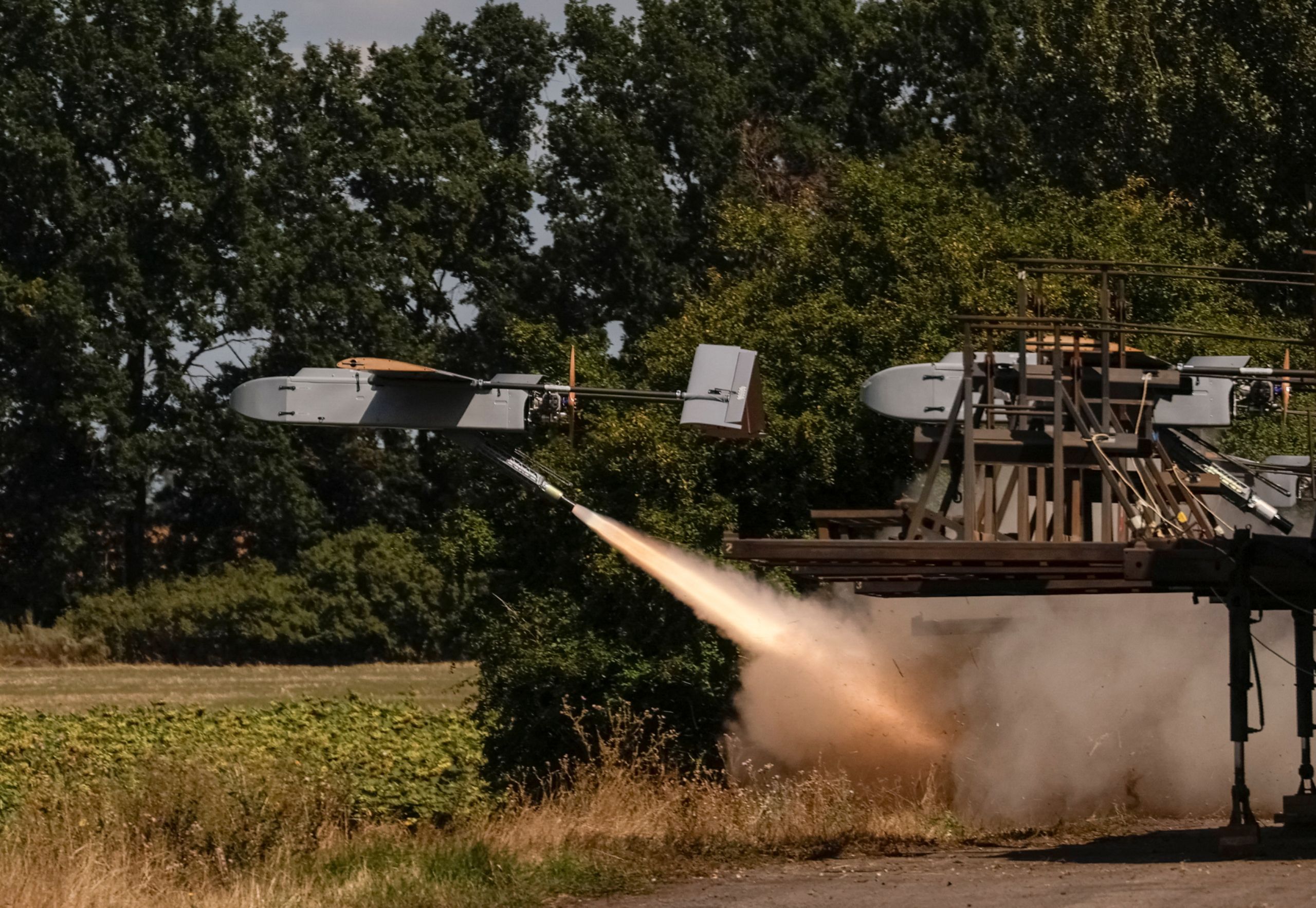
Two British companies are known to have manufactured drones delivered to Ukraine. A military source confirmed to the BBC that UK-built systems featured in recent attacks on Russian territory, operations said to have inflicted more than £35 billion in economic damage.
This is not the first such accusation. Russian foreign ministry spokeswoman Maria Zakharova claimed in 2024 that drones incorporating British components and configurations struck Russian targets, including a fuel depot in the Kamensky district of Rostov region.
Moscow has previously issued warnings to London over drone technology transfers and over Storm Shadow cruise missiles.
A Campaign Aimed at the Economy
Ukraine’s deep-strike effort has intensified considerably, concentrating on oil refineries and on logistics facilities belonging to Wildberries, Russia’s dominant online retailer.
The targeting logic is economic rather than territorial. Refineries feed domestic fuel supplies and export revenue simultaneously, while distribution hubs affect consumer goods reaching Russian households. The current phase of the war has visibly strained fuel availability inside Russia and weighed on the broader economy.
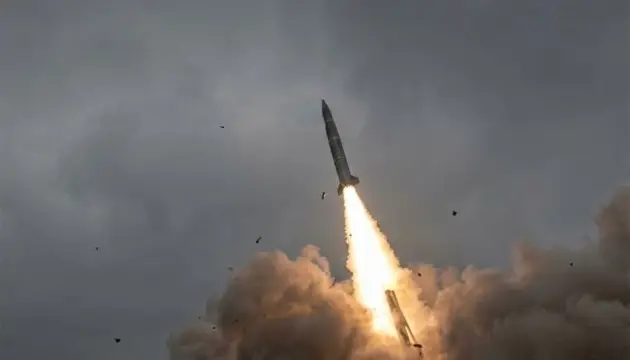
Ukraine is not relying solely on foreign equipment. Domestically developed systems have entered service in recent weeks, including the FP-5 Flamingo cruise missile.
The Scale of Recent Attacks
The exchange rates over the past several days have been substantial in both directions.
Overnight, Russian officials reported roughly 620 drones directed toward the Moscow region. Air defences destroyed more than 180 of them, though several people were wounded. Regional governor Andrey Vorobyov said Tuesday that a 10-year-old girl was injured and a Wildberries warehouse damaged. The company described the damage to its logistics complex as minor.
Saturday night was heavier still. Ukraine launched approximately 822 drones toward Russia, with 600 aimed at Moscow, according to the regional governor, who characterised it as among the most massive drone assaults in recent memory. Seven deaths were reported across Russia.
The Toll Inside Ukraine
Russian strikes continued throughout the same period, and the casualties there were higher.
Seventeen people were killed in the most recent wave. The deadliest incident occurred at Pechenihy in north-eastern Ukraine, where two missiles struck private homes, a cafe and a post office, killing 10 villagers.
Deaths were also recorded elsewhere:
- Three people killed in Sumy
- Two in Zaporizhzhia
- Two in Kherson
- Five wounded in Izium, near the eastern front line
Kyiv endured five separate waves of attack overnight. On Saturday, Russian strikes killed at least seven people and injured more than 39.
Where the War Stands
Russia currently holds roughly a fifth of Ukrainian territory. The front lines have moved comparatively little relative to the intensity of the air campaigns now being waged over both countries.
That imbalance defines the present phase. Neither side is achieving decisive results on the ground, so both are attacking the other’s capacity to sustain the fight — Ukraine targeting Russian energy and logistics infrastructure, Russia targeting Ukrainian cities and power systems.
The Escalation Question
Moscow’s warning to Britain reflects a persistent argument it has advanced throughout the war: that Western-supplied weapons used against Russian territory make the supplying nations parties to the conflict.
Western governments reject that framing, maintaining that assisting a country defending itself against invasion does not constitute belligerence. Britain has acted on that position repeatedly, including an April announcement of tens of thousands of drones for Ukraine — among them long-range strike systems — in what the MoD described as its largest package to date.
The vagueness of the Russian statement is itself notable. Threats without specified content preserve flexibility while still applying pressure. Whether anything follows may depend less on British policy than on how the broader campaign develops in the coming weeks.
Author
-
Lucienne Albrecht is Luxe Chronicle’s wealth and lifestyle editor, celebrated for her elegant perspective on finance, legacy, and global luxury culture. With a flair for blending sophistication with insight, she brings a distinctly feminine voice to the world of high society and wealth.