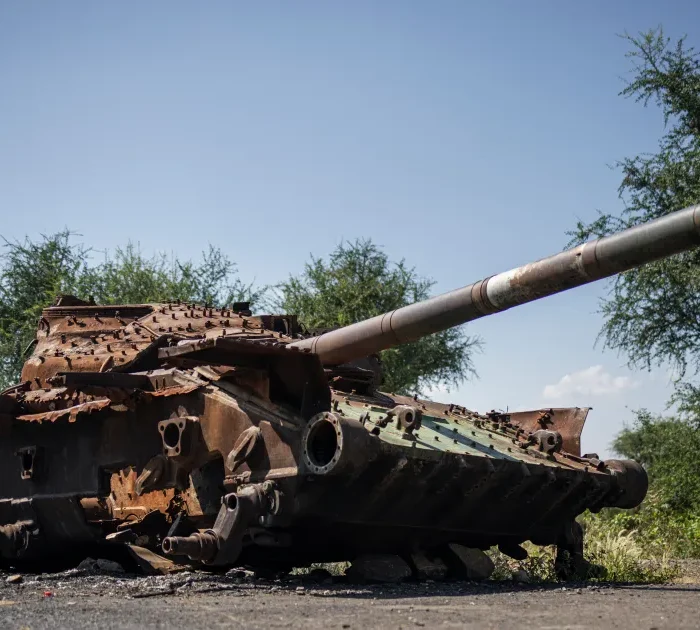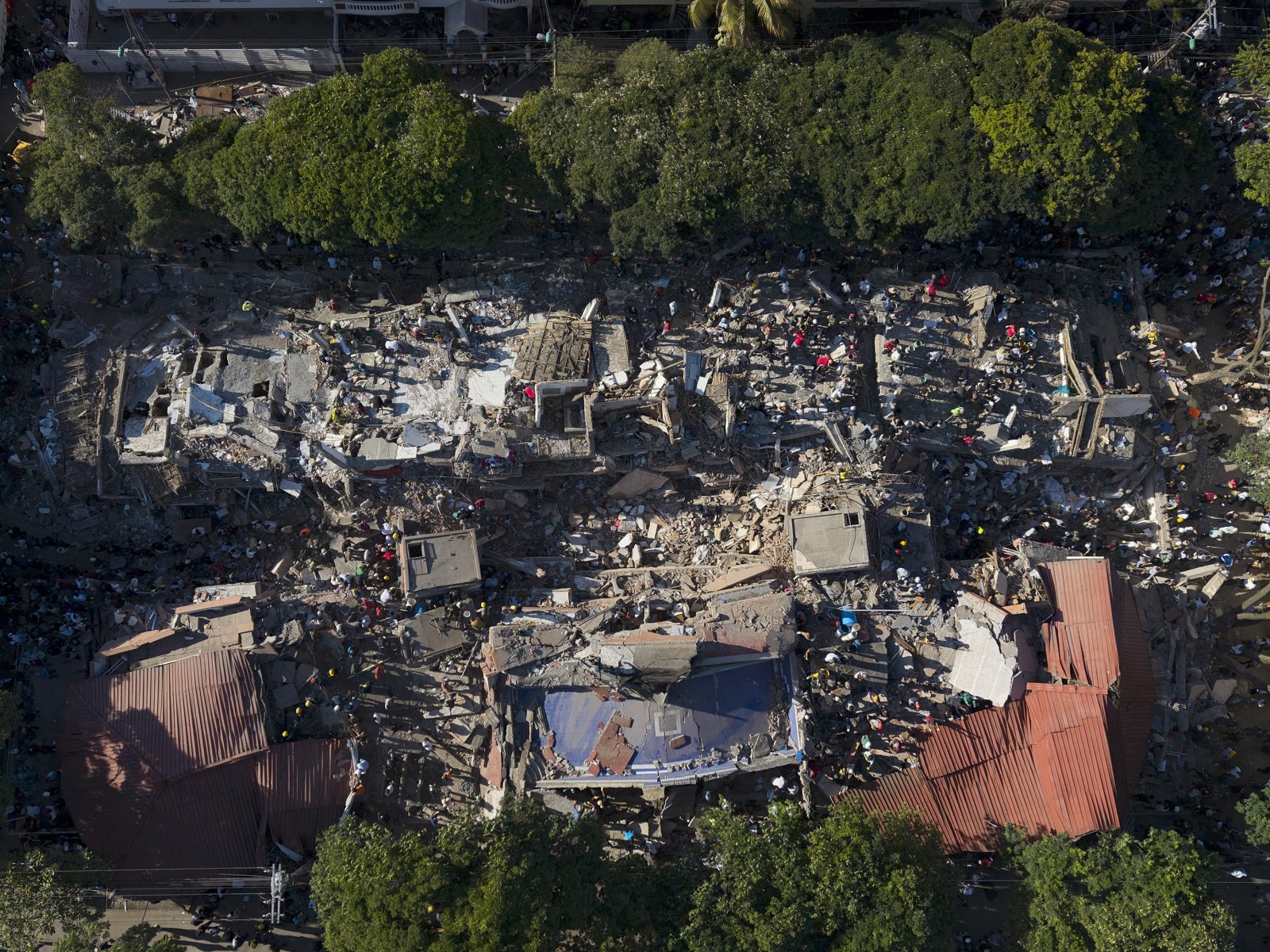
Colombia earthquake losses could reach 30 trillion pesos — roughly $9.58 billion — according to a preliminary estimate delivered Monday by President Abelardo De La Espriella. The figure covers destruction from the 7.4-magnitude quake that struck the country’s west last week, flattening buildings and killing hundreds.
The president was careful to label the number provisional. It will shift, he said, as more information arrives and as assessment teams complete their work across each affected region.
Breaking Down the Estimate
De La Espriella divided the projected losses into two broad categories:
- About 24.5 trillion pesos in damage to buildings
- Roughly 5.5 trillion pesos in damage to infrastructure
The imbalance between those figures is typical of urban earthquakes. Residential and commercial structures absorb the bulk of the destruction, while roads, bridges, water systems and power networks account for a smaller share of the monetary total — though often a larger share of the disruption to daily life.
Asked to characterize the situation, the president urged people to consider the scale of what had happened.
The Human Cost
The quake struck western Colombia, bringing down buildings in multiple areas including the major cities of Cali and Pereira.
The toll stands at 280 dead and more than 4,000 injured. Another 143 people remain missing, a number that typically resolves in one of two directions as search efforts continue — and rarely the better one.
For families waiting on that count, the economic estimates announced Monday are largely beside the point. The recovery they are measuring is not financial.
A Regional Comparison
Colombia’s losses, severe as they are, fall well below those recorded next door. Earthquakes that hit Venezuela on June 24 produced damage to housing and infrastructure estimated at $37 billion, according to an initial assessment published last month by the United Nations Office for Disaster Risk Reduction.
Two major seismic events in neighboring countries within two months underscores a reality the region lives with permanently. The northwestern corner of South America sits where the Nazca, South American and Caribbean plates interact, making it one of the more seismically active zones in the hemisphere.
Comparisons between disasters are imperfect, though. Damage totals reflect not only the strength of a quake but also what was standing where it struck — building age, construction standards, population density and how much of the affected zone was urban.
A New President’s First Test
De La Espriella took office only days before the earthquake struck. He now faces the task of directing relief operations and a reconstruction effort likely to extend across years.
The timing is brutal from a governing standpoint. New administrations normally spend their opening weeks assembling staff, setting priorities and learning how the machinery of government actually functions. Instead his government moved directly into emergency management, working with agencies whose leadership may not yet be fully in place.
Disasters of this magnitude tend to define presidencies. Public judgment usually forms early — in the first days, based on whether aid arrived, whether officials communicated clearly, and whether the response looked organized or improvised.
What Reconstruction Will Require
The path from damage estimate to rebuilt city is long and rarely straightforward. Several challenges typically emerge:
- Funding gaps between what is needed and what is available, often filled through international lending
- Assessment delays as engineers inspect thousands of structures for habitability
- Temporary housing for displaced residents, frequently lasting far longer than intended
- Building code decisions about whether to rebuild as before or to stricter seismic standards
- Coordination between national ministries and local governments with limited capacity
That fourth item carries particular weight. Post-earthquake reconstruction offers a rare chance to replace vulnerable buildings with resilient ones, but it costs more and takes longer — and pressure to restore normal life quickly usually works against it.
Numbers That Will Change
The $9.58 billion estimate should be understood as an opening figure rather than a conclusion. Early assessments after major earthquakes are almost always revised, generally upward, as inspectors reach areas that were initially inaccessible and as hidden structural damage surfaces in buildings that appeared intact.
Damage that is not visible from the street — compromised foundations, cracked load-bearing walls, weakened joints — often accounts for a substantial portion of eventual costs.
De La Espriella acknowledged as much in announcing the total. The number exists to give the country and its potential creditors a sense of scale, not to close the books.
For now, search operations continue for the 143 people still unaccounted for, and thousands of injured remain under medical care. The reconstruction accounting can wait. The immediate work cannot.
Author
-
Lucienne Albrecht is Luxe Chronicle’s wealth and lifestyle editor, celebrated for her elegant perspective on finance, legacy, and global luxury culture. With a flair for blending sophistication with insight, she brings a distinctly feminine voice to the world of high society and wealth.