US Strikes on Iran Reach 13th Consecutive Night as Shipping Grinds Toward a Halt
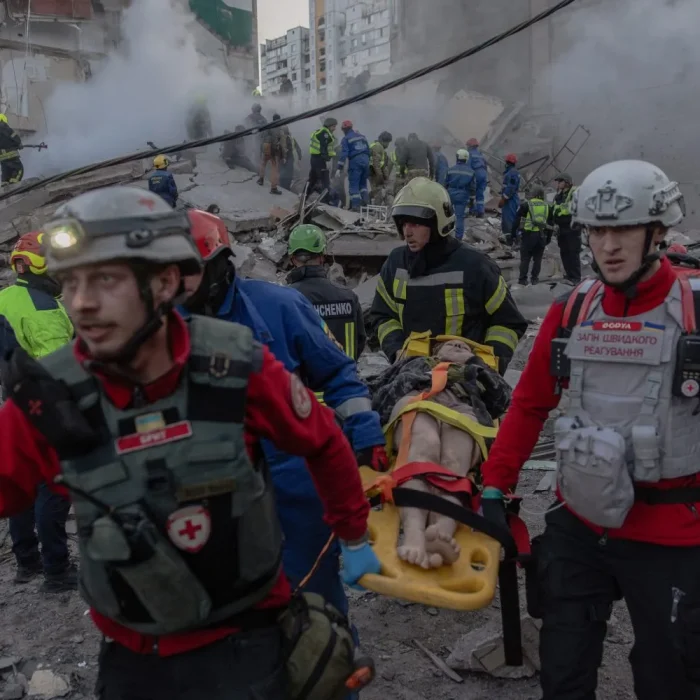
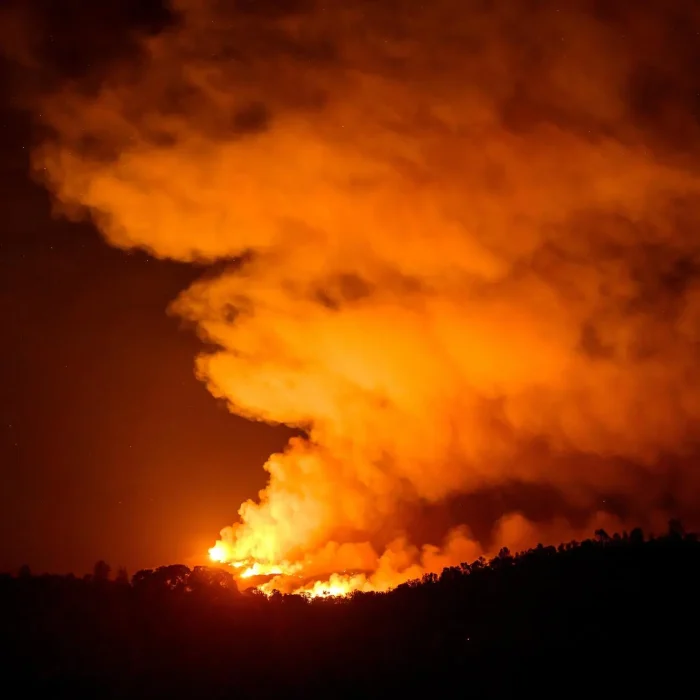
American forces struck Iran for a thirteenth straight night into Friday morning, with explosions reported across multiple Iranian cities as the maritime dimension of the conflict tightened further.
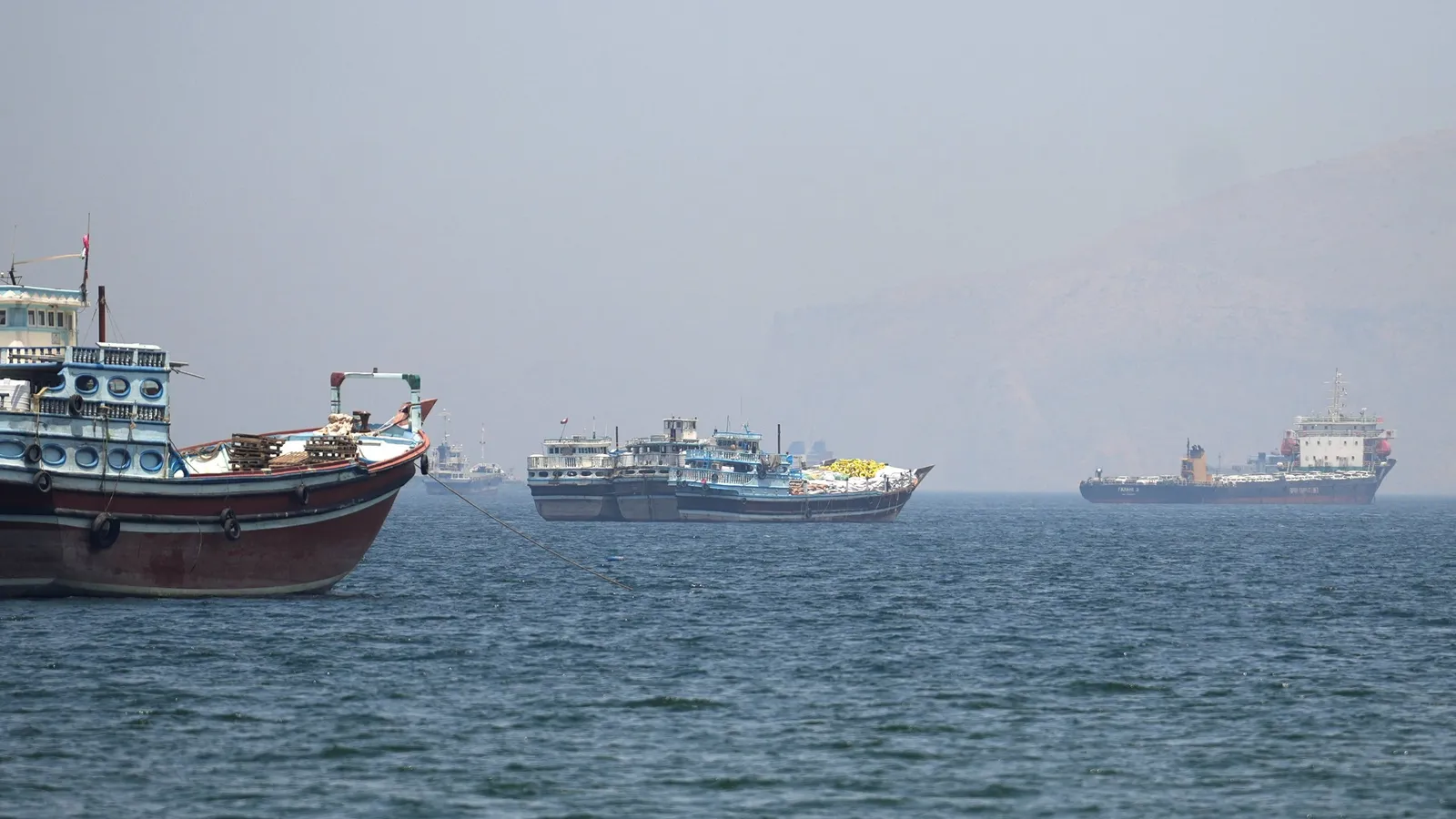
Ship tracking data captured how severe the disruption has become. Only a single tanker made it through the Strait of Hormuz on Thursday — the lowest figure recorded since May 7.
Yet one notable exception emerged. Data from the London Stock Exchange Group shows two Chinese supertankers loaded with Saudi crude exited the Bab al-Mandeb strait on Friday, despite the naval blockade the Houthis declared against Saudi Arabia earlier in the week.
What CENTCOM Targeted
U.S. Central Command announced it wrapped up its latest round of strikes at 01:00 GMT Friday.
According to the command, the operation focused on:
- Iranian military command centres
- Drone storage facilities
- Communication networks
- Coastal surveillance sites
- Maritime capabilities
The emphasis on coastal and maritime infrastructure aligns with Washington’s stated concern over shipping in the Gulf.
Where the Explosions Were Reported
Iranian outlets described strikes spread across a wide geographic area.
State broadcaster IRIB reported explosions in Khondab, Khorramabad, Konarak and Jask.
The semi-official Fars news agency, citing the deputy governor of western Lorestan province, said two people were injured in an early morning drone attack on Khorramabad.
Mehr news agency reported American missile strikes on the cities of Andimeshk and Omidiyeh in Khuzestan province, with no casualties.
Al Jazeera correspondent Tohid Assidi, reporting from Tehran, said explosions were heard on Qeshm island in the Strait of Hormuz.
Additional strikes on the port city of Bandar Abbas injured two people, according to Iranian media.
The heaviest reported toll came near Ahvaz in the southwest, where Tasnim news agency said four people were killed and five injured in a U.S. missile attack.
Iran’s Retaliation Across the Gulf
Tehran has been striking back at American installations hosted by Gulf partners.
In Bahrain, the Iranian army said via Mehr news agency that it used drones against Sheikh Isa Air Base, targeting fuel storage tanks, equipment warehouses and troop accommodation.
In Jordan, the military said it hit aircraft hangars, maintenance facilities and living quarters at the Muwaffaq Salti base at Al-Azraq. The statement carried a warning that any move against Iranian interests would erode both regional security and economic stability.
Iran also struck a telecommunications tower in Kuwait as part of the same wave of retaliation against Gulf states aligned with Washington.
Trump Signals Something Larger
President Trump escalated his language sharply on Thursday.
Speaking to the news site Axios, he said he is weighing a massive attack that would exceed anything carried out so far, adding that a decision is near and that preparations are complete.
Separately, on Truth Social, he introduced a new threat with financial rather than military consequences: if Iran attacks shipping, the United States would draw on Tehran’s frozen assets to fund repairs.
Iran Warns of a Dangerous Precedent
Foreign Minister Abbas Araghchi responded directly to that proposal on Friday.
Writing on X, he argued that seizing another country’s assets to settle unrelated future claims establishes an incendiary precedent.
His warning extended beyond Iran’s own position. He cautioned that anyone celebrating or profiting from such funds should consider what follows — once governments normalise confiscation, no one’s holdings remain secure. The resulting disorder, he said, would be neither pretty nor peaceful.
The Shipping Picture in Detail
The maritime data tells a story that the strike reports do not.
One tanker through Hormuz in a full day represents a near-total shutdown of a corridor that normally handles a substantial share of global oil movement. That figure reflects commercial decisions rather than physical blockade — operators are simply declining the risk.
The Chinese supertankers clearing Bab al-Mandeb are the more interesting data point. The Houthis announced a blockade aimed at Saudi-linked shipping, yet vessels carrying Saudi crude under Chinese ownership passed through without incident.
That suggests the blockade is being applied selectively rather than uniformly — a distinction with real implications for how the disruption plays out and which countries absorb the cost.
Where Things Stand
Two corridors are now compromised simultaneously. Strikes are continuing at a steady tempo without producing any visible shift in Iranian posture. Retaliation is landing on third countries that host American forces, spreading the conflict’s footprint across Bahrain, Jordan and Kuwait.
And the president is publicly describing preparations for something considerably larger than what has occurred so far.
Author
-
Lucienne Albrecht is Luxe Chronicle’s wealth and lifestyle editor, celebrated for her elegant perspective on finance, legacy, and global luxury culture. With a flair for blending sophistication with insight, she brings a distinctly feminine voice to the world of high society and wealth.