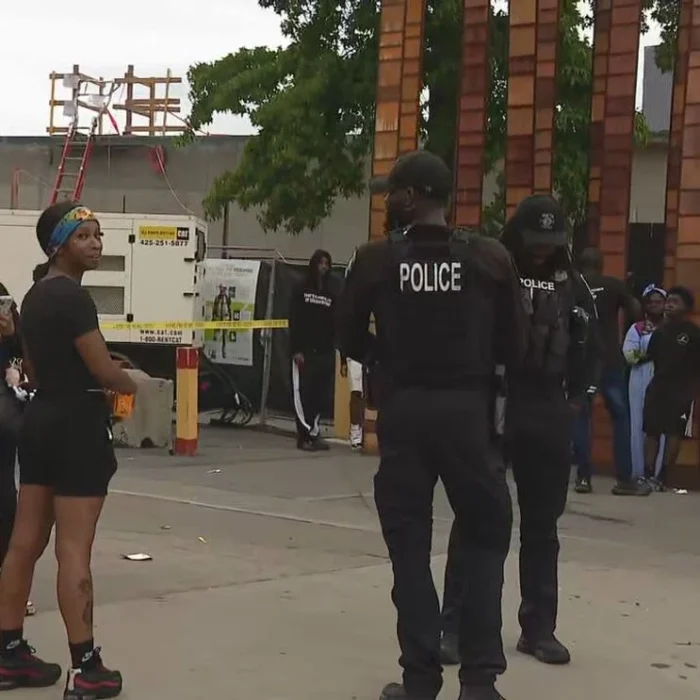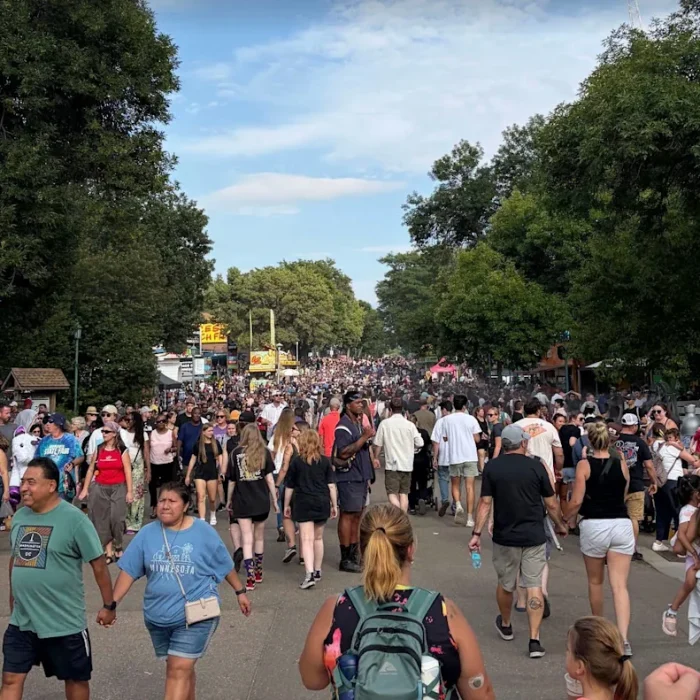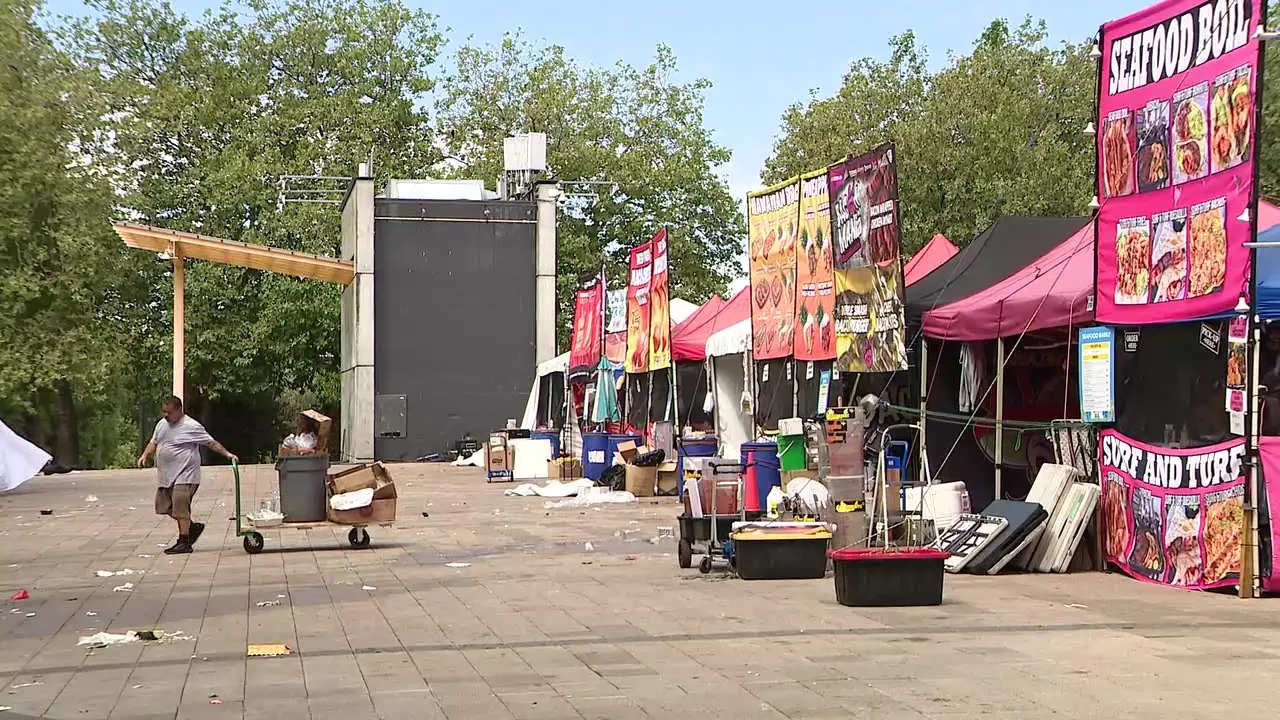
The Seattle Center shooting alert failure became official on Tuesday, when city officials acknowledged that the emergency management department never notified the public while gunfire sent thousands of people scrambling at a crowded food festival two days earlier.
For the families who were there, that admission answered one question and raised several more. Three people were killed and four others wounded at the Bite of Seattle, including a toddler. At no point did a text alert go out.
A Crowd Returns to the Same Grounds
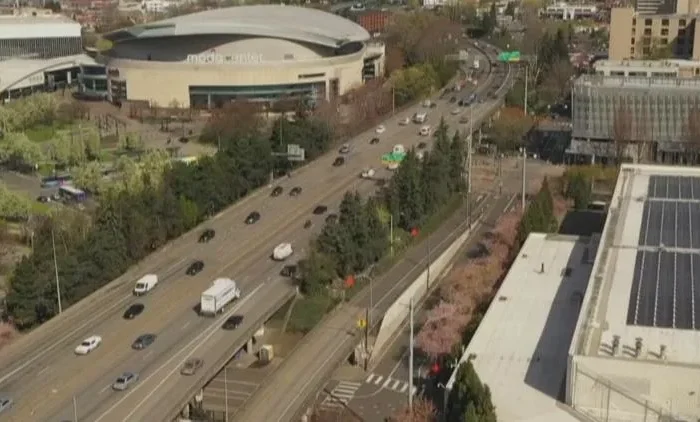
The mood at Seattle Center was unmistakably different by Tuesday evening, when WNBA fans filled Climate Pledge Arena for a Storm game on the same campus where the shooting happened.
People came anyway. But they came with questions.
Lorrie McKay of Seattle said she would like to hear directly from the mayor and the police chief about what is being done to keep the area secure. Her frustration was less about the response itself than about the confusion surrounding it — who was supposed to speak, and when. In her assessment, the mayor’s office, the police chief and the emergency operations center could all have handled the moment better.
Diane Louie, standing outside the arena, was asked whether she believes the city will take the steps necessary to protect people. She said she certainly hopes so, adding that this is precisely why voters choose the officials they choose.
Louie also described a decision many Seattle residents are quietly making right now. She is not letting fear reshape her life. Whatever happens when you walk out the door happens, she said, and she intends to keep going out and enjoying the city.
The Alert That Never Came
Modern emergency notification systems exist to do one thing during an unfolding attack: tell people what is happening and where not to go. Wireless alerts can reach every phone in a geographic area within seconds.
Sunday, that did not happen.
Asked at a Tuesday press conference why no active shooter alert reached the public, Mayor Katie Wilson called the question a fair one. She said the city will work closely with the police department and the Office of Emergency Management going forward to ensure every available channel is used to distribute information faster.
That answer acknowledges the failure without yet explaining it. The details still outstanding are the ones that matter most for preventing a repeat:
Who holds the authority to trigger a public alert during an incident like this one.
Whether that person was reachable and aware in the critical minutes.
Whether the delay came from a technical breakdown, an unclear chain of command, or hesitation about issuing a warning with incomplete information.
Cities across the country have wrestled with this exact tension. Send an alert too early and you risk broadcasting inaccurate information to a panicked crowd. Send it too late, or not at all, and people make decisions in the dark. Most emergency management professionals now lean toward speed, on the reasoning that an imperfect warning still beats silence.
An Investigation Still Taking Shape
Police Chief Shon Barnes offered a picture of an investigation that remains genuinely open rather than nearly closed.
Investigators are still working to develop a physical description of a suspect who fled the scene. More significantly, Barnes pushed back on the assumption that police are searching for a single person.
He said that despite information circulating publicly suggesting one suspect, the department has not made that claim. Additional people may have been involved. Conflicting witness accounts have made it difficult to establish exactly who did what, which is common in chaotic scenes with hundreds of people moving in different directions.
Barnes said investigators believe the shooting is connected to gang violence and are working to identify which groups were involved and how they relate to one another.
That characterization does not diminish the danger to bystanders. A festival crowd contains families, children and tourists, and the victims here included a toddler.
What Changes Now
Barnes said the police department is increasing officer presence at events through the remainder of the summer and will provide assistance and support to Seattle Center staff as needed.
That is the immediate, visible response. The harder work sits on the notification side, and the mayor’s commitment to review it with both SPD and the Office of Emergency Management is where any real fix will originate.
Seattle Center is not an ordinary venue. It hosts a near-continuous calendar of festivals, concerts, sporting events and family attractions, drawing enormous crowds into a compact footprint. That density is what makes the campus appealing and also what makes an alert system essential rather than optional.
For residents, the practical question is simple enough: if something happens on those grounds again, will their phones tell them?
How to Help
Police are asking anyone with information about the shooting, the missing suspect, or any additional suspects to contact the SPD tip line at (206) 233-5000.
Investigators have emphasized that witness accounts remain inconsistent, which means even small details — a description, a direction of travel, a piece of video — could help establish a clearer sequence of events.
The Bigger Picture
There is a version of this story that ends with a policy review nobody reads. There is another version where a city examines a specific failure, identifies exactly where the process broke, and fixes it before the next large gathering.
Which version Seattle gets will be visible in the next few weeks, not the next few years. The summer event calendar is already underway.
In the meantime, people like Diane Louie are doing what urban residents generally do after a tragedy in a public space. They are showing up anyway, filling arenas and walking the same grounds, trusting that the systems built to protect them will function the next time they are needed.
That trust is the thing the city now has to earn back, and an honest accounting of what went wrong on Sunday is the only way to start.
Author
-
Lucienne Albrecht is Luxe Chronicle’s wealth and lifestyle editor, celebrated for her elegant perspective on finance, legacy, and global luxury culture. With a flair for blending sophistication with insight, she brings a distinctly feminine voice to the world of high society and wealth.