Fourteen Weeks, No Good Options: Why Prices Probably Won’t Move Before November
The Trump economy heading into the midterms presents the administration with an awkward arithmetic problem: roughly three months remain until election day, and most of the tools capable of lowering prices take longer than that to work.
That is the consensus among economists surveyed about what can realistically change before voters go to the polls. The verdict is not that nothing can be done — it is that nothing available on this timeline delivers more benefit now than it costs later.
Patrick Harker, a Wharton professor and former president of the Federal Reserve Bank of Philadelphia, put it in exactly those terms: on a 14-week clock, there is very little that does not cost more down the road than it provides in the moment.
What the Data Actually Shows
Thursday’s numbers illustrate why the picture is confusing rather than simply bad.
The economy expanded at a 1.5 percent annual pace from April through June, decelerating from 2.1 percent in the first quarter and coming in below forecasts. A surge in imports, driven substantially by the AI infrastructure buildout, weighed on the headline figure.
Consumer spending, meanwhile, rose at a 3.2 percent clip — up sharply from 0.5 percent in the previous quarter. Americans are still spending, whatever they tell pollsters.
On inflation, the Fed’s preferred gauge rose 3.7 percent year over year in June, down from 4.1 percent in May. Core prices, excluding food and energy, were up 3.3 percent, essentially flat against April’s 3.4. Prices actually declined 0.1 percent from May to June, driven by a 9.2 percent drop in gasoline and other energy costs.
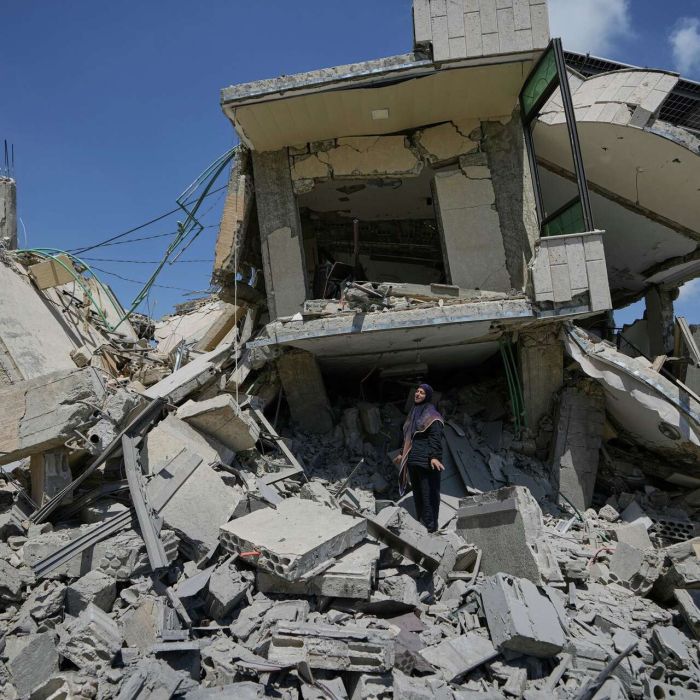
That decline reflected a moment when the Iran war appeared headed toward resolution. It no longer does. As the conflict entered its sixth month, national average gasoline moved back above four dollars a gallon, and Brent crude reached $90 a barrel following new strikes.
The Distinction That Matters Politically
Here is the gap between the data and the sentiment: slowing inflation is not falling prices.
Inflation measures the rate of change. When the rate slows, prices are still rising, just more gradually. The accumulated increases of the past several years remain in place.
Diane Swonk, chief economist at KPMG, framed it directly. Inflation, she noted, has compounded — and so have stock returns, but not everyone owns stock, while everyone encounters prices. What people actually care about is that costs that went up did not come back down, and their wages did not keep pace. Things they used to afford now feel out of reach.
The Fed’s target of 2 percent has not been met for more than five years.
Why Each Available Lever Fails
Cutting tariffs. Even if the administration reversed course tomorrow, tariff reductions take time to filter through supply chains to shelf prices. Harker said this cannot function as a quick fix regardless of the decision.
Rebate checks. Politically appealing and fiscally expensive, with the added complication that injecting cash into a high-price environment can worsen the underlying problem.
Releasing strategic oil reserves. Provides temporary relief while creating a future obligation to refill at whatever prices prevail then.
Raising interest rates. The Fed’s primary anti-inflation instrument. The central bank held rates steady Wednesday, with three dissents. Even a September increase, Harker said, would filter through too slowly to do anything before November.
Trump has pushed in the opposite direction, pressing the Fed to lower rates — which reduces borrowing costs but tends to add to inflation. He criticised the decision publicly, saying the Fed wants to keep rates elevated and that the country will fight through it.
The Variable Nobody Controls
Harker identified energy as the single biggest factor between now and the election, and noted that no economic instrument gives Washington control over events in the Persian Gulf.
Damage to Middle Eastern refining capacity cannot be repaired quickly. Swonk added that spillover effects from the war will extend into the fall harvest and food prices well into 2027, layered on top of persistent service-sector inflation and new tariffs that mean additional paperwork, additional costs and another wave of price increases still working through the pipeline.
Even a negotiated end to the war would not produce immediate relief at the pump, according to economists who have studied the question.
The White House’s Case
Spokesman Kush Desai said economic relief has been a day-one priority and that the administration remains focused on lowering costs, creating jobs, raising wages and accelerating growth. He pointed to investment inflows and reduced prices for certain prescription drugs and groceries, and argued that once the president brings the Iran situation to a successful conclusion, real wage and economic growth will continue accelerating.
Trump has asserted the economy is strong, citing new automobile plants. He has also described affordability concerns as a hoax, and last week rejected the suggestion that electoral considerations should prompt a rethink of his Iran strategy — saying he cannot think about the election in connection with it.
House Speaker Mike Johnson has defended the tariffs while acknowledging some sectors have faced challenges, arguing that things are settling out as the election cycle begins.
The Political Read
The polling is difficult for the governing party. A recent CNN survey found 65 percent believe the president’s policies have worsened economic conditions against 22 percent who say they improved them, with his approval at 34 percent overall and lower on specific issues — 28 percent on Iran, 25 on inflation, 21 on gas prices.
Pew found 24 percent rating economic conditions as excellent or good, 41 percent as only fair, and 35 percent as poor, with voters wanting congressional candidates to talk about the economy.
Jonathan Nagler, an NYU professor who studies economic voting, cautioned that three months is long enough for conditions to shift and that predictions are unreliable. What the data does establish, he said, is that better economies help incumbents — and that gasoline is a non-trivial expense tied unusually directly to presidential decisions. Democrats, he argued, can draw a straight line from the choice to go to war to the price at the pump, and that line is easy to explain persuasively.
House Democratic Leader Hakeem Jeffries has attributed rising costs to tariffs, what he calls a reckless war of choice, and healthcare cuts in last year’s spending package. Vidhya Jeyadev of Majority Democrats said the party’s task is connecting daily experience — rent, groceries, utilities — to specific decisions.
What to Watch
Three things could still move before November: the trajectory of the war, the price of crude, and the September inflation readings that will be the last data most voters absorb.
None of the three sits comfortably within the administration’s control. That, more than any policy disagreement, is the constraint economists keep returning to.
Author
-
Lucienne Albrecht is Luxe Chronicle’s wealth and lifestyle editor, celebrated for her elegant perspective on finance, legacy, and global luxury culture. With a flair for blending sophistication with insight, she brings a distinctly feminine voice to the world of high society and wealth.