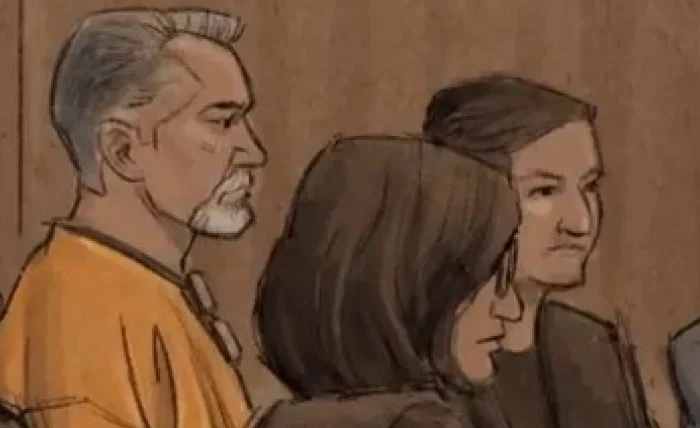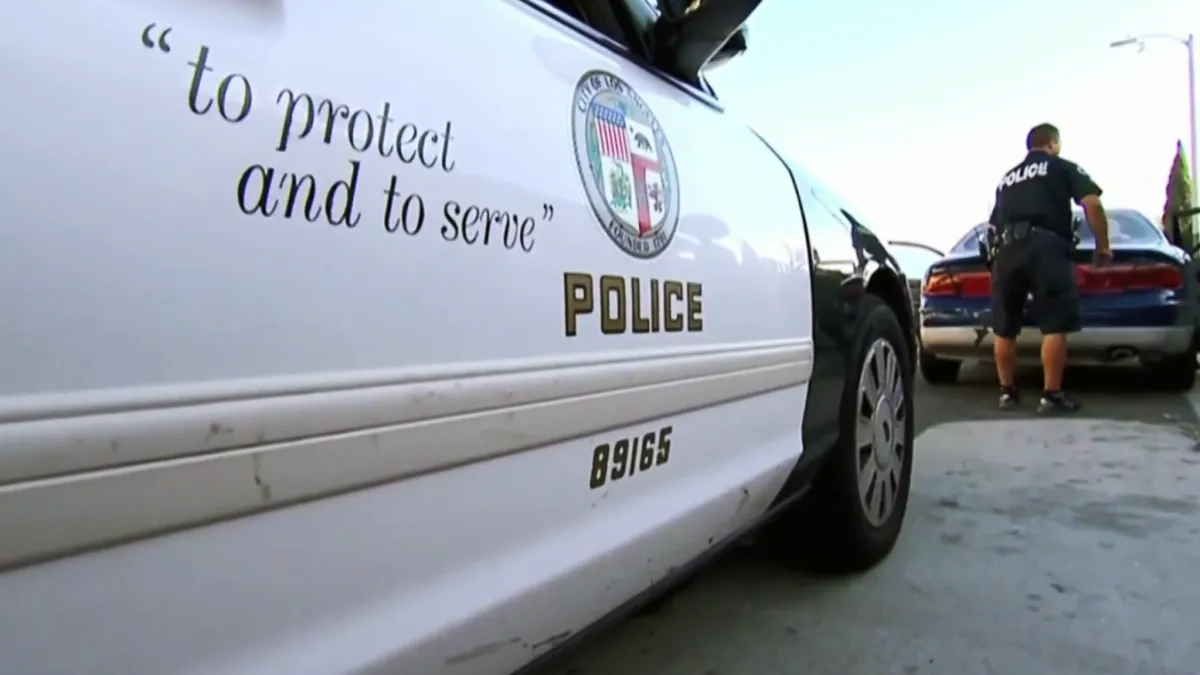
An LAPD officer secret recording case has landed a 43-year-old policeman in serious legal trouble, and the details raise an uncomfortable question about what happens when someone breaks one law while attempting to expose wrongdoing under another.
Daniel Flores was charged on Friday with sixteen felony counts of eavesdropping and recording confidential communications. According to the Los Angeles County District Attorney’s Office, he captured audio of colleagues without their knowledge, and those recordings allegedly contain sexist, homophobic and racist commentary.
If a jury convicts him on every count, Flores could spend as long as thirteen years in state prison.
Where the Recordings Came From
At the time the conversations took place in 2024, Flores was assigned to a unit responsible for conducting background investigations on applicants hoping to join the department. The people he recorded were, in other words, the officers vetting who gets hired by the LAPD.
None of them consented to being taped. That single fact is the entire basis of the prosecution.
The Law at the Centre of the Case
California operates under an all-party consent standard. Every person involved in a private conversation must agree before it can lawfully be recorded. The statute has been on the books for more than five decades, and District Attorney Nathan Hochman was blunt about its reach.
He described the case as a warning to anyone considering recording another person without permission, stressing that the prohibition applies regardless of profession or position. A neighbour, a co-worker, a police officer, the rule does not bend for any of them. Privacy in a confidential exchange is protected, he said, and with only narrow exceptions the recorder’s motive does not change that.
His office, he added, intends to prosecute those who eavesdrop illegally.
Condemning the Remarks, Prosecuting the Recorder
Hochman did not soften his assessment of what was allegedly captured on those tapes. He called the sexist, homophobic and racist statements deplorable and said the employees who made them should answer for them.
That acknowledgment sat alongside an equally firm position on the recordings themselves. California, he noted, has spent more than half a century positioning itself among the strongest states in the country on privacy protection and on discouraging covert surveillance. Nobody, in his framing, gets to set that law aside because they have a cause they believe in.
He laid out the choice in stark terms: obey the law or take no action. Legitimate avenues exist for raising serious concerns, and someone who bypasses them in favour of breaking the law should expect consequences that are both clear and severe.
The Tension the Case Exposes
What makes this prosecution notable is not the legal reasoning, which is fairly settled, but the situation it creates. The recordings appear to document exactly the kind of conduct that internal complaint systems are supposed to catch, made by the very people entrusted with screening new recruits.
Critics of all-party consent laws have long argued that they can shield misconduct rather than privacy, particularly in workplaces where reporting through official channels means reporting to colleagues or supervisors who may be part of the problem. Supporters counter that a rule with exceptions carved out for sympathetic motives quickly becomes no rule at all, and that permitting covert taping whenever the recorder believes the cause is just would gut the statute entirely.
Both arguments will likely feature prominently as this case moves forward.
What Comes Next
Flores is scheduled to be arraigned on 10 August in Department 30 of the Foltz Criminal Justice Center. That hearing will formally present the charges and allow him to enter a plea.
Key facts of the case as it currently stands:
Sixteen felony counts of eavesdropping or recording confidential communications
Recordings made during 2024
Subjects were officers conducting LAPD hiring background checks
Maximum exposure of thirteen years in state prison
Arraignment set for 10 August
Separately, the Los Angeles Police Department’s Internal Affairs Division continues to investigate the matter. That review runs on its own track and could address the content of the recordings rather than the legality of making them.
Unresolved Questions
Several important issues remain open. It is not publicly clear whether any officers heard making the alleged remarks face disciplinary action, or whether Flores had previously raised concerns through official channels before deciding to record.
Also unaddressed is what role, if any, the recordings played in bringing the underlying conduct to the department’s attention in the first place. If internal affairs learned of the remarks because of the tapes, the case takes on an additional layer of complexity.
The Broader Message
For anyone working in California, the practical takeaway from this prosecution is straightforward. Documenting workplace misconduct by secretly recording conversations exposes the person doing the recording to criminal liability, no matter how objectionable the behaviour being captured.
The district attorney’s position is that lawful mechanisms exist for these situations and must be used. Whether those mechanisms function reliably inside a police department, and whether that question will carry any weight in court, are matters this case may end up testing.
Flores has not entered a plea, and the allegations against him remain unproven. The charges filed Friday represent the prosecution’s position, not a finding of guilt.
Author
-
Lucienne Albrecht is Luxe Chronicle’s wealth and lifestyle editor, celebrated for her elegant perspective on finance, legacy, and global luxury culture. With a flair for blending sophistication with insight, she brings a distinctly feminine voice to the world of high society and wealth.