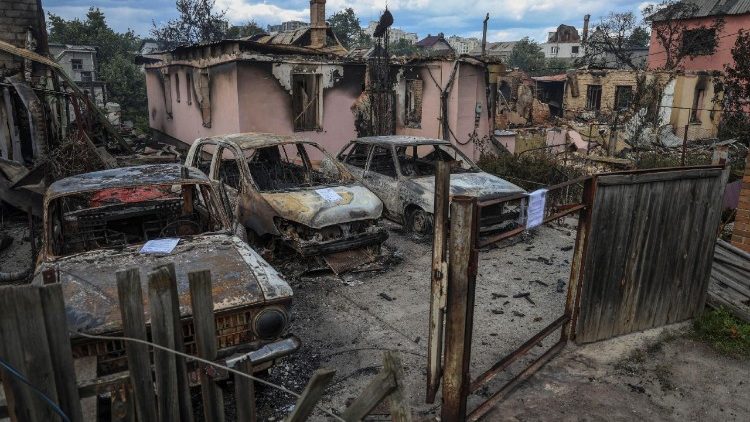
A Russian missile attack on Kyiv and the surrounding region killed 17 people and left dozens wounded, President Volodymyr Zelenskyy said Wednesday, in a strike notable not only for its toll but for what Ukraine failed to do about it.
None of the incoming missiles were intercepted overnight. Not one.
Two Hours Without a Defense
The barrage continued for roughly two hours, part of a pattern that has grown grimly familiar across Ukraine this summer as large-scale Russian strikes shift from exceptional events to near-routine occurrences.
What made this assault different was the complete absence of successful interception. Ukrainian air defense units have been operating under severe constraints for months, and this attack demonstrated what happens when those constraints reach their limit.
Moscow appears to understand the situation precisely and is acting on it. Russian forces have been exploiting Ukraine’s shortage of interceptors for the U.S.-made Patriot system, which remains the only weapon in the Ukrainian arsenal capable of downing ballistic missiles.
That last detail is the crux of the problem. Other systems can address drones and cruise missiles with varying degrees of success. Against ballistic threats, Patriot has no substitute in Ukraine’s inventory.
The Supply Problem Behind the Shortage
Zelenskyy has spent months appealing to partner nations, and particularly to the United States, for additional interceptor rounds.
Those appeals have collided with a global scarcity problem. The war with Iran has consumed enormous quantities of the same munitions, drawing down American stockpiles and creating competition for a supply that was already limited by slow production timelines.
Precision interceptors cannot be manufactured quickly. Production lines are specialized, components require lengthy lead times, and capacity was originally sized for peacetime replacement rather than simultaneous major conflicts.
The result is a queue, and Ukraine is not at the front of it.
Three Paths Ukraine Is Pursuing
Faced with that reality, Zelenskyy has been advancing several alternatives rather than waiting for shipments that may not arrive at sufficient scale.
Direct resupply remains the primary ask. More interceptors delivered from existing stocks, particularly American ones, would address the immediate crisis fastest.
Domestic production is the second option. Ukraine has sought arrangements that would allow Patriot ammunition to be manufactured within its own borders, which would reduce dependence on foreign delivery schedules and political decisions abroad.
The third approach shifts the problem entirely. Rather than intercepting missiles in flight, Ukraine wants to destroy the launchers before they fire. That requires accurate targeting deep inside Russian territory, and Zelenskyy has sought permission from Elon Musk to use Starlink satellite communications to guide such strikes.
Each option carries obstacles. Resupply depends on inventories that are genuinely stretched. Domestic manufacturing requires licensing agreements, technology transfer, and time. The Starlink request depends on a single individual’s decision and raises questions about a private company’s role in wartime targeting.
Why Interception Matters So Much
For readers less familiar with the mechanics, the significance of an interceptor shortage extends well beyond any single night.
Air defense functions as a deterrent as much as a shield. When an attacker knows most missiles will be stopped, large barrages become expensive and inefficient. When interception rates collapse, the calculation inverts and mass strikes become highly cost-effective.
That shift is visible in the current pattern. The frequency and scale of Russian attacks have increased in step with Ukraine’s declining ability to stop them.
There is also a civilian dimension that raw casualty figures understate. Populations living under effective air defense experience air raid alerts as disruptive but survivable. Populations without it experience them as genuine terror, with corresponding effects on daily life, mental health, and willingness to remain in place.
The Broader Squeeze
This attack illustrates how interconnected modern conflicts have become.
Munitions expended in one theater are unavailable in another. Decisions made in Washington about stockpile levels translate into outcomes in Kyiv apartment buildings. A production bottleneck at a single American facility can shape the survival odds of civilians thousands of miles away.
Ukraine has been managing that dependency for years, but the current shortage represents a sharper version of the problem than previous phases of the war.
What Comes Next
The immediate priorities are casualty care, damage assessment, and whatever partial restoration of defensive coverage is possible with remaining stocks.
The longer-term question is whether any of Zelenskyy’s three approaches produces results on a useful timeline. Resupply could arrive within weeks if political decisions align. Domestic production would take considerably longer. The Starlink arrangement could theoretically move fast but depends on approvals outside any government’s control.
Until something changes, nights like this one are likely to repeat, and Ukrainian air defense crews will continue working with less than the situation demands.
Author
-
Lucienne Albrecht is Luxe Chronicle’s wealth and lifestyle editor, celebrated for her elegant perspective on finance, legacy, and global luxury culture. With a flair for blending sophistication with insight, she brings a distinctly feminine voice to the world of high society and wealth.