Sydney Towle had already thought carefully about what she would say if she knew a video would be her last. Months before her death at 26, the influencer answered that question directly during a podcast interview, and her words have circulated widely since her family announced her passing.
Towle died on Wednesday, August 5, after living with a rare cancer for three years.
The Interview That Resurfaced
The exchange took place in November 2025 on Danielle Robay’s Question Everything podcast, in an episode titled around what it meant to face a life-threatening illness at 25.
Asked what she would want to tell people, Towle said she had genuinely considered the question before. She framed it as imagining making one final video and deciding what it should contain.
Her answer was simple and she knew it. She said she would remind people to treat one another with kindness, calling it the single biggest way a person can positively affect someone else’s life.
She acknowledged how familiar the sentiment sounds. Treating people with compassion and empathy, treating them the way you would want to be treated, is close to cliché, and she said so herself.
But she explained why she kept returning to it anyway. We never know what someone else is carrying, she said. A small amount of kindness or positivity can travel much further than the person offering it realizes, potentially changing someone’s day or their week.
That, she said, was the thing she would always say.
Her Diagnosis
Towle was 23 when she was diagnosed with cholangiocarcinoma, a rare cancer of the bile ducts.
The disease predominantly affects people over 50, which made her diagnosis unusual and, in the early stages, harder to anticipate. Rare cancers in young adults frequently go undetected longer than they would in an older patient, simply because the possibility is not initially considered.
She documented her experience publicly, building an audience that followed her treatment, setbacks and daily life across three years.
The Turn Toward Hospice
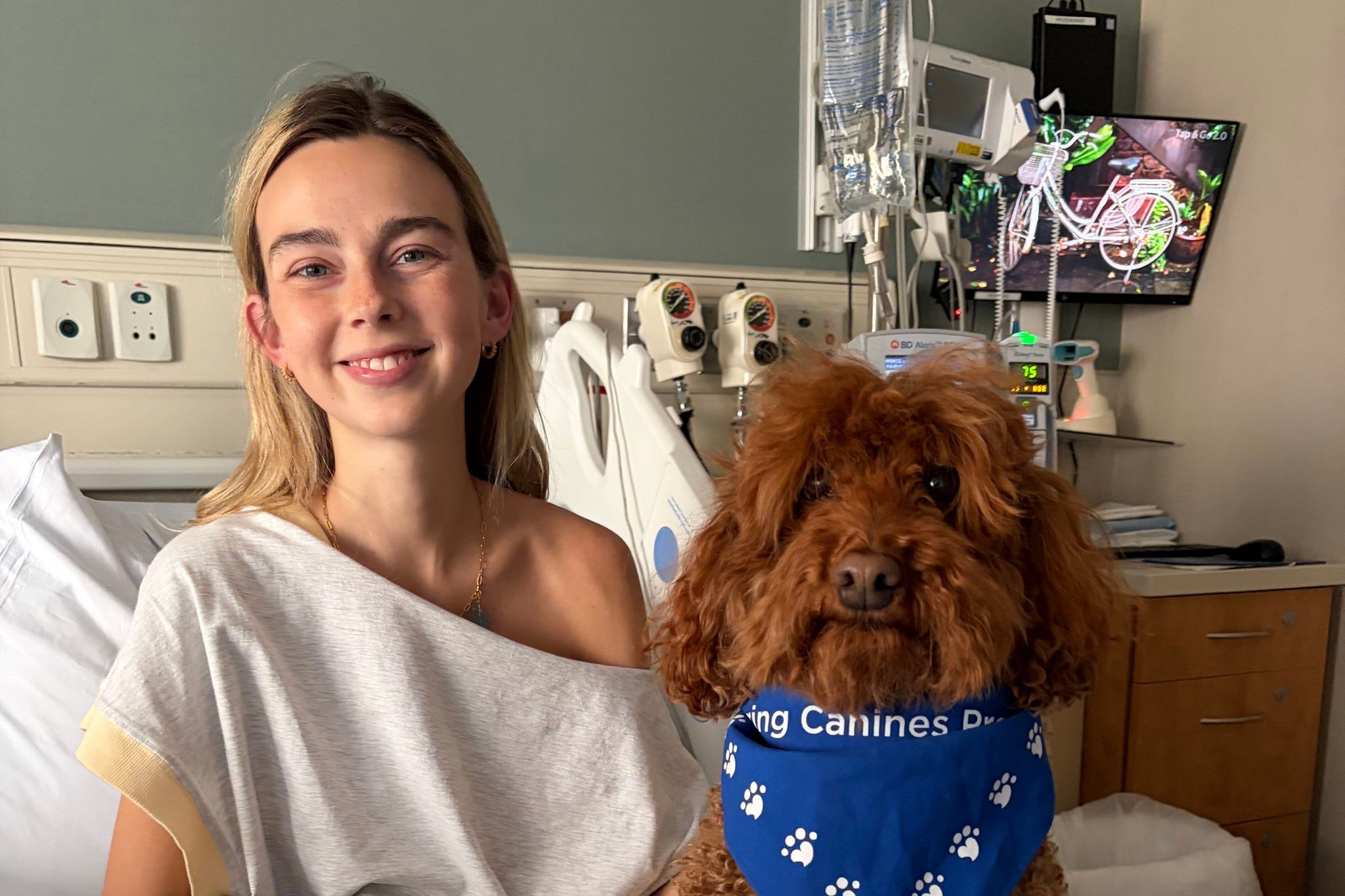
In May, Towle spoke with PEOPLE about a moment that caught her and her family entirely off guard.
One of her doctors declined to continue treating her and suggested it was time to begin end-of-life care. She described being in complete shock, explaining that neither she nor her mother had been told they were heading in that direction. Hospice had never been raised. They had arrived at the appointment expecting a routine conversation about her treatment plan.
That gap between expectation and news is something many families encounter, and it is part of why her account resonated with people well outside her original audience.
Her brother, Austin Towle, offered a different perspective on the same decision when he spoke to PEOPLE a day after her death. From where he stood, hospice had become a necessity focused on keeping her comfortable. The disease was far enough along, he said, that there was no other option.
Her Family’s Announcement
Towle’s family shared the news on social media on Thursday, August 6.
The post included a single photograph of her standing on a mountaintop, smiling, with sunlight behind her. Text over the image read simply: Rest in Peace Sydney Elizabeth Towle. An endless ray of sunshine. A daughter, a sister and friend to so many.
The caption came from a place of pride as much as grief, expressing love for her and admiration for how hard she had fought.
What Her Brother Wants People to Remember
Austin Towle offered a memory he hopes endures, and it is not about the illness.
He said his sister kept fighting throughout, and that he wants people to understand it is never over until it is over. Do not give up hope regardless of circumstance. She never did, he said, until she physically, mentally and emotionally could not continue any longer.
Why Her Story Reached So Many
Towle joined a growing group of young people who have chosen to document serious illness publicly, and the reasons that resonates are worth understanding.
Cancer in a person’s early twenties disrupts assumptions most people hold about how life is sequenced. Watching someone navigate that in real time, without the distance of a finished narrative, is a fundamentally different experience than reading about it afterward.
Her account also drew attention to cholangiocarcinoma specifically, a cancer most people have never heard of and one that is often diagnosed at advanced stages because early symptoms are vague and easily attributed to other conditions.
Awareness of rare diseases largely spreads through individual stories. There is rarely institutional infrastructure behind them, no widely recognized screening campaign, no month set aside. What exists instead are people willing to describe what happened to them.
The Message She Chose
There is something worth noting in what Towle did not say when given the chance to leave a final thought.
She did not talk about medical systems, or fairness, or her own circumstances. Asked what mattered most, she chose something available to anyone listening, requiring nothing but attention to the people around them.
She knew it sounded ordinary. She said it anyway, because she believed the ordinary version was the true one: that people are usually carrying more than they show, and that small kindness costs little and lands heavily.
That is the message she wanted to leave, and it is the one now traveling further than she likely expected.
Author
-
Lucienne Albrecht is Luxe Chronicle’s wealth and lifestyle editor, celebrated for her elegant perspective on finance, legacy, and global luxury culture. With a flair for blending sophistication with insight, she brings a distinctly feminine voice to the world of high society and wealth.