Senate Buys Ten Weeks of Peace on Funding, Then Hands December a Loaded Calendar
The Senate stopgap funding bill that cleared the chamber in the early hours of Saturday accomplished exactly what it was designed to do. It removed the threat of a government shutdown on October 1.
It also loaded an already crowded December with a pile of unfinished business that almost nobody in Washington seems confident can be resolved.
Senators voted 90 to 6 to approve a continuing resolution keeping federal agencies operating through December 11, pushing past the September 30 funding deadline. The bill now goes to the House.
An Unusually Early Vote
The most striking thing about the vote may be its timing.
Congress has developed a habit of resolving funding fights at the absolute last possible moment, often hours before agencies would go dark. Passing a stopgap nearly two months ahead of the deadline breaks that pattern.
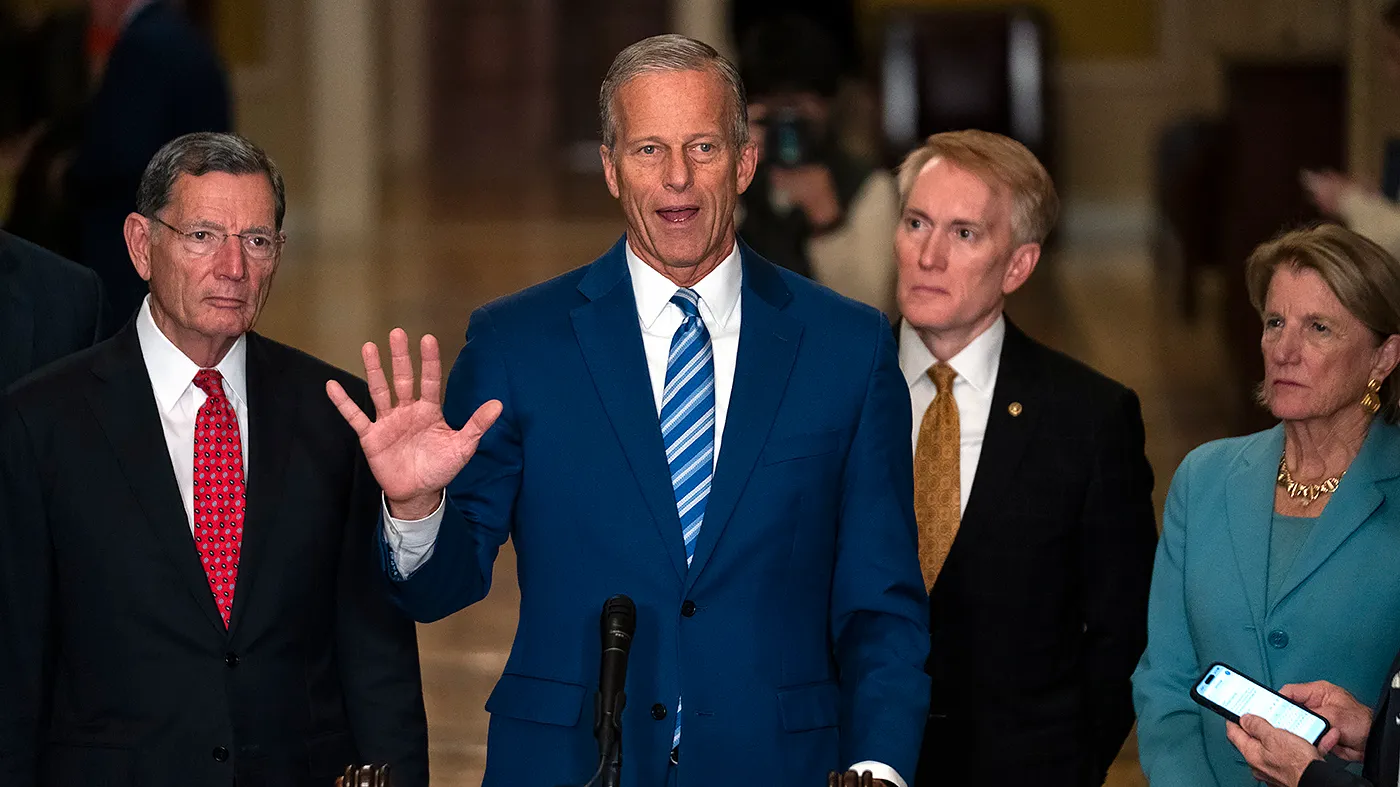
Senate Majority Leader John Thune of South Dakota said the early action was a deliberate response to how badly the past year has gone.
Speaking to reporters on Monday, Thune said there had been more than enough uncertainty over the previous twelve months, pointing to two extended shutdowns, and argued that predictability serves everyone better.
He was not exaggerating the record.
A Brutal Year of Funding Lapses
The past year produced three separate shutdowns, two of them historic in length.
The first ran 43 days across October and November 2025, triggered by a fight over health care subsidies. At the time, it was the longest funding lapse in American history.
That record did not survive long. A second shutdown stretched 76 days from February into late April as lawmakers battled over immigration enforcement money.
Sandwiched between them was a shorter four-day lapse from January 31 to February 3.
Against that backdrop, an early bipartisan vote looks less like routine business and more like institutional exhaustion.
The House Still Has to Act
Saturday’s vote cleared what was widely considered the harder chamber, but the process is not finished.
House members are on recess and will not return until September. The measure needs their approval before it can reach President Donald Trump’s desk.
An October shutdown therefore remains technically possible, though the generous timeline gives the House substantially more room than it usually gets.
What Democrats Extracted
For the most part, the bill keeps agencies running on autopilot at existing levels. But Democrats secured two concessions that were essential to their support, and neither appeared in the version the House passed last month.
The first temporarily blocks an Office of Management and Budget rule that would hand political appointees greater control over federal grant decisions.
The second bars any funding from the bill from flowing to Immigration and Customs Enforcement or Customs and Border Protection.
Senator Patty Murray of Washington, the ranking Democrat on the Senate Appropriations Committee, framed the immigration provision as closing a loophole. She said the Republican version would have permitted money to be transferred to Border Patrol, and described the Democratic position simply: no reforms, no new money.
Why Republicans Accepted the Grant Provision
The OMB restriction might have been expected to draw conservative objections. It largely did not, and the explanation is fairly mundane.
Senator John Kennedy of Louisiana said he phoned OMB Director Russell Vought on Monday morning to check whether Republicans were conceding too much. Vought told him the rule would not have been finalized before December 11 regardless.
Kennedy summarized the exchange bluntly: no harm, no foul.
The Hemp Fight That Nearly Derailed Everything
The bill’s path got complicated over a provision backed by the White House delaying a ban on hemp-derived intoxicating THC products.
The delay would run through December 11. What frustrated a number of lawmakers was the logic of it. They struggled to understand why the president would postpone implementation of a measure he had already signed into law.
An effort to amend the bill and strip the delay, which would have let the ban take effect in November, ultimately collapsed. It was traded away as part of the broader negotiation to get the Senate out of town for August recess.
Senator Mike Rounds of South Dakota explained the calculation plainly. Opponents of the delay did not want to trigger a shutdown over it, so they agreed to resume the argument in December.
The December Pileup
That deferral is the recurring theme, and it is why December now looks daunting.
The new deadline falls in an awkward window: after the November elections but before newly elected members take office. Lame duck sessions are notoriously difficult, combining outgoing members with little incentive to compromise and incoming members with no vote yet.
The issues waiting there include the hemp product dispute, the administration’s politicized approach to federal grants, immigration enforcement funding, and the full-year appropriations bills that remain unfinished.
Skepticism Is Running High
Few on Capitol Hill expect all of that to get resolved cleanly.
Kennedy offered the most colorful assessment of the odds, telling reporters that finishing a budget by December 11 carries whiffs of frozen hell and donkeys flying. He added that it probably will not happen.
That is the mood surrounding a bill that passed 90 to 6.
What It Adds Up To
The Senate did something genuinely useful this week. It acted early, it acted with broad bipartisan support, and it made an October shutdown considerably less likely.
What it did not do is resolve any of the underlying disagreements. Every contested question was postponed rather than settled, packed into a ten-week window that closes in the least productive stretch of the congressional calendar.
The House returns in September. The clock on December 11 is already running.
Author
-
Lucienne Albrecht is Luxe Chronicle’s wealth and lifestyle editor, celebrated for her elegant perspective on finance, legacy, and global luxury culture. With a flair for blending sophistication with insight, she brings a distinctly feminine voice to the world of high society and wealth.