Oil prices moved lower Thursday as traders balanced two opposing forces: shrinking global demand on one side, and continued disruption to Middle East supply routes on the other.
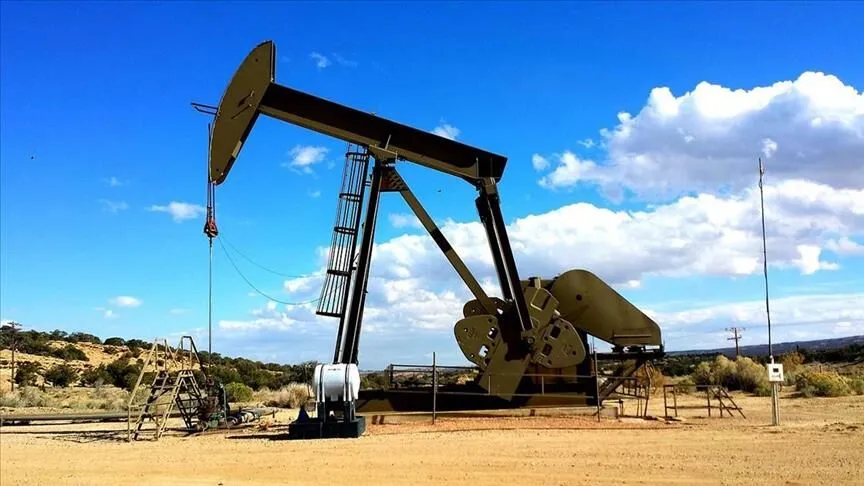
By mid-morning European trading, front-month Brent crude futures had fallen 1.4 percent to 87.66 dollars a barrel. West Texas Intermediate futures were down 1.5 percent at 82 dollars.
The decline reversed gains recorded overnight, a pattern that captures how unsettled the market has become.
The Demand Side of the Equation
The International Energy Agency delivered the bearish signal that shaped Thursday’s trading.
In an assessment released Wednesday, the agency said global oil demand is now expected to fall further this year than previously forecast, driven by the deepening consequences of the Strait of Hormuz closure.
That may sound counterintuitive at first. A supply chokepoint would normally push prices up. But sustained disruption also raises costs across economies, slows industrial activity, and reduces consumption. When demand destruction outpaces supply loss, prices can fall even during a crisis.
The IEA also noted that renewed hostilities and maritime disruptions are undermining efforts to increase global supply, with July output running 6.3 million barrels per day below the same month last year.
That is a substantial shortfall by any historical measure, and it explains why the market remains fundamentally tight despite the price weakness.
Attacks on Shipping
Working against the downward pressure are deadly attacks on vessels in the Gulf of Oman and the Red Sea.
Incidents of this kind affect prices through several channels beyond the immediate loss of cargo. War-risk insurance premiums climb, crews become harder to staff, and some operators reroute entirely, adding weeks to voyages and tying up tonnage.
Those effects accumulate quietly rather than producing dramatic single-day moves, but they raise the floor under prices over time.
An Environmental Crisis Off Oman
A separate situation is developing along Oman’s coastline.
A tanker that ran aground on June 30 carrying an estimated 800,000 barrels of Russian oil has been leaking, and the resulting spill has reportedly begun reaching the mainland. The vessel is under international sanctions.
The location makes it worse. The leak is occurring near a nature reserve that provides habitat for Arabian Sea humpback whales and Socotra cormorants.
The Arabian Sea humpback population is among the most isolated and endangered whale populations anywhere, with numbers estimated in the low hundreds. A significant spill in their habitat carries consequences that will outlast any market move.
The incident also highlights a structural problem with sanctioned oil transport. Vessels operating outside mainstream commercial frameworks often carry inadequate insurance, use ageing hulls, and fall outside normal inspection regimes. When something goes wrong, the response and liability picture becomes murky.
The Hormuz Question
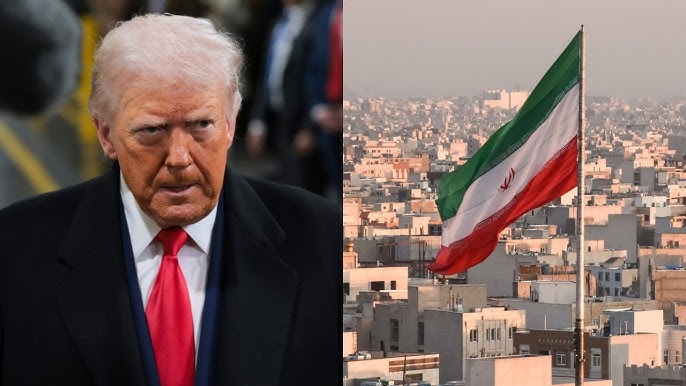
More than five months into the war, the strait remains closed, and the disruption to energy flows continues.
There are indications that diplomatic efforts toward reopening are underway, though nothing conclusive has emerged.
Christopher Tahir, senior market strategist at Exness, framed the risk clearly. He noted that the absence of clarity about whether the waterway will fully reopen leaves prices exposed to the upside in a market that remains tight, and said further setbacks could push crude higher.
That assessment captures the asymmetry traders are working with. Demand weakness is gradual and reasonably predictable. Supply shocks are sudden and difficult to forecast.
Why Prices Are Behaving This Way
Several dynamics are running simultaneously.
Demand forecasts have been revised downward as the economic effects of prolonged disruption become clearer.
Supply is genuinely constrained, sitting millions of barrels per day below last year.
Risk premiums are already embedded in current prices, meaning new incidents need to exceed expectations to move the market further.
Positioning matters as much as fundamentals in the short term, with traders adjusting exposure around headline risk.
The result is a market that can fall on a demand revision while every underlying supply metric points the other way.
What Would Change the Picture
A confirmed reopening of Hormuz would likely trigger a sharp downward move, as the largest single risk premium unwound.
Conversely, an attack on major production or export infrastructure rather than on individual vessels would push prices sharply higher.
Continued escalation in the Red Sea would raise costs incrementally without necessarily producing dramatic price action.
Further demand downgrades from the IEA or other agencies would extend the current weakness.
The Broader Context
For consumers, prices in the high eighties for Brent represent meaningful pressure on fuel costs, transport, and anything dependent on freight, even though the figure sits well below crisis peaks seen in previous supply shocks.
For producers, the tightness is real but the price signal is muddied by demand uncertainty, complicating investment decisions.
And along the Omani coast, a grounded tanker continues leaking into a habitat that cannot be repriced or hedged.
Author
-
Lucienne Albrecht is Luxe Chronicle’s wealth and lifestyle editor, celebrated for her elegant perspective on finance, legacy, and global luxury culture. With a flair for blending sophistication with insight, she brings a distinctly feminine voice to the world of high society and wealth.