Taliban diplomatic engagement is expanding at a pace that would have seemed implausible even two years ago. Five years after seizing Kabul, the movement is steadily converting isolation into contact — and campaigners warn that the international community is giving away leverage without securing anything in return.
The pattern is not one dramatic breakthrough. It is dozens of smaller openings, each defensible on its own terms, adding up to something the Taliban present at home as vindication.
Who Is Talking to Kabul
The list of countries deepening ties has grown substantially.
Russia recognised the government in Kabul just over a year ago and signed a military cooperation agreement last month. India, Qatar, China, Iran and multiple Central Asian states have hosted Taliban officials or opened fresh channels. In June, the European Union held talks with a Taliban delegation in Brussels on returning failed asylum seekers — the first formal encounter of its kind since 2021.
Individual European governments have pursued their own contacts. Britain describes its approach as limited and pragmatic, conducted largely through the UK Mission to Afghanistan based at the British embassy in Qatar. Other Western states have held discreet meetings there as well.
More striking: in Germany and at least four other Western European capitals, key Afghan consulates are now under Taliban control rather than representatives of the former government.
The Rights Situation Has Not Improved
None of this reflects any softening in Kabul.
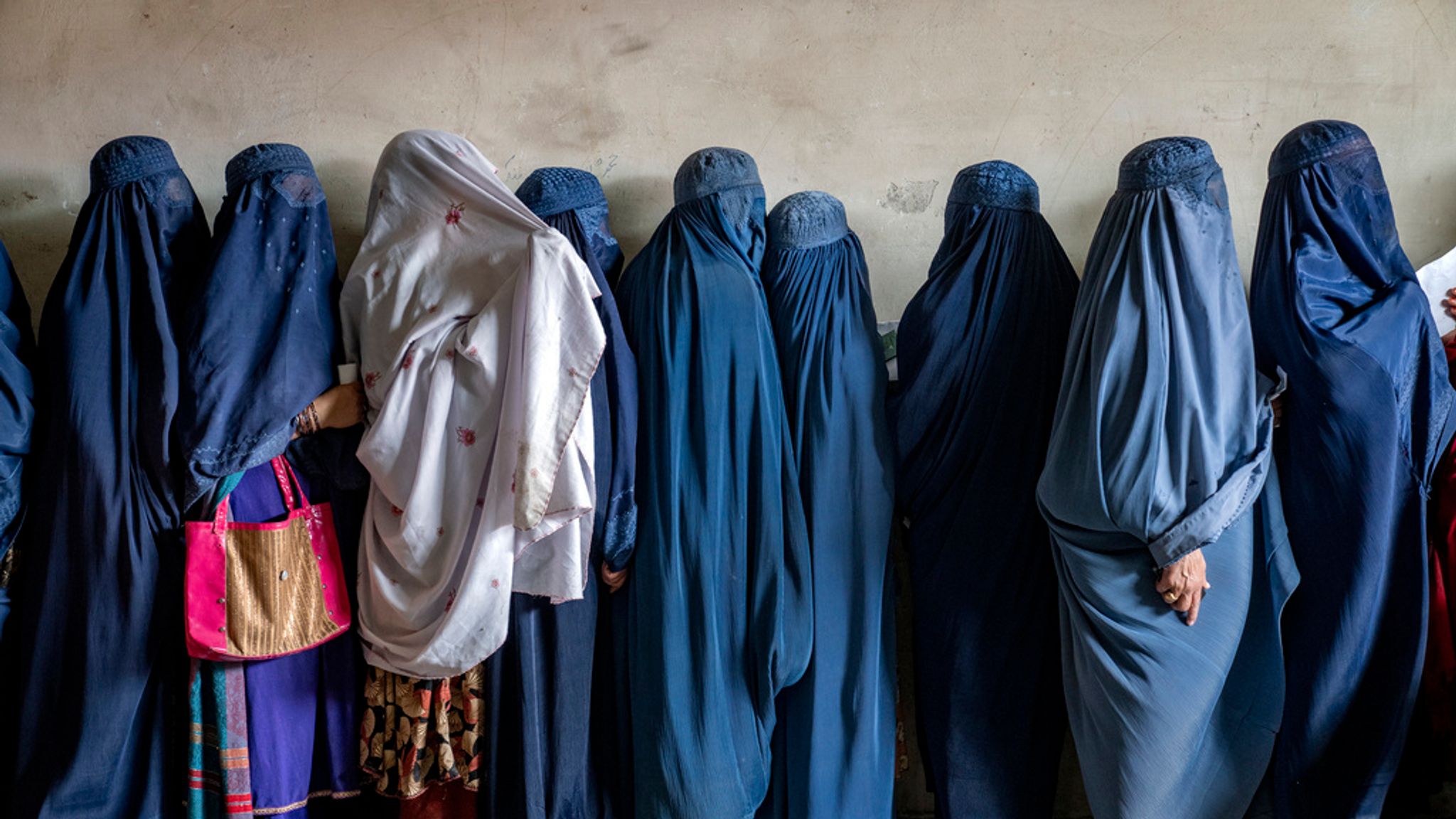
The United Nations has described a cascade of edicts and laws barring women from universities and most employment, denying teenage girls schooling, and imposing rigid dress requirements. Minorities face persecution. Activists and journalists face repression. In March, the UN characterised the country as a graveyard for human rights.
Recent legislation has hardened conditions further. New measures designate many religious minorities, including Shia Muslims, as heretics and impose severe punishments for dissent. Others recognise only “excessive” beating as domestic violence and ease the marriage of girls without their consent.
Why Governments Are Engaging Anyway
Several pressures converge:
- Regional security concerns, particularly around militancy spilling across borders
- Domestic political pressure in Western states to reduce irregular migration
- Landlocked Central Asian states seeking trade corridors and pipeline access to seaports
- Natural resources, with Kabul expanding mining and attracting Chinese and other firms
- A growing assessment that the Taliban will not be removed from power any time soon
Officials from Tajikistan, Turkmenistan, Kyrgyzstan, Uzbekistan and Kazakhstan have all visited Afghan cities this year pursuing exactly these interests.
India has moved deliberately to rebuild a relationship that turned frosty in 2021, partly to exploit friction between the Taliban and Pakistan, its historic sponsor. New Delhi obtained a sanctions waiver allowing Taliban foreign minister Amir Khan Muttaqi to travel there, and in June India’s UN envoy Harish Parvathaneni argued that Afghanistan’s political reality has shifted over five years and that the sanctions regime must reflect that.
How the Taliban Read It
Analysts say the movement understands precisely what it is gaining.
Shivam Shekhawat of the Observer Research Foundation in Delhi said the emirate now occupies a confident position, having recognised it is indispensable to regional states and having worked out how to engage even Europe and the United States. Any contact, she noted, is treated as a diplomatic win and used as evidence of legitimacy.
Taliban spokesman Zabihullah Mujahid framed it plainly, saying the Islamic Emirate seeks relations with all countries, while stressing that regional and neighbouring states carry particular weight because economic interests are closely tied.
The Brussels meeting illustrated the gap in interpretation. The European Commission characterised it as merely technical and limited to returns. A Taliban spokesperson called it historic and a step toward regularising consular relations with EU states.
The Campaigners’ Objection
Fereshta Abbasi, Afghanistan researcher at Human Rights Watch, was careful to say the concern is not engagement itself. Contact is necessary, she noted, if only to allow aid agencies to address the humanitarian crisis. What worries her is the end goal and the substance of the discussions.
Her core argument is about coherence. The international community, she said, should be delivering a consistent message that the Taliban will have no friends without genuine progress on women’s rights and human rights — and that is not what is happening.
She was sharper on Brussels, saying it is impossible to condemn Taliban abuses in one breath and announce immigration talks in the next, because the movement then tells its domestic audience it has been accepted internationally.
Russia’s Calculation
Anna Borshchevskaya of The Washington Institute described Moscow’s motives as unsentimental. Russia wants allies, she said, and Afghanistan matters geographically; an opening appeared and Russia took it.
She characterised the reasoning as cold and cynical, rooted in a zero-sum view that American loss equals Russian gain. From the Kremlin’s perspective, she said, Europe and Afghanistan sit on the same geopolitical board.
No Moderation Expected
The Taliban are not monolithic. Genuine internal disagreement exists, including over the ban on women’s education. But the most conservative factions remain dominant, and supreme leader Hibatullah Akhundzada retains authority.
Ramin Mansoori, a researcher at the University of Pittsburgh and the Carnegie Endowment, said the movement’s priority is domestic. Significant concessions are unlikely, he argued, because most of its leadership simply does not operate with an international perspective.
The Uncomfortable Bottom Line
The policy dilemma is real and does not have a clean answer.
Total isolation for five years did not improve conditions for Afghan women and did little to ease a severe humanitarian situation. That is a serious argument for engagement.
But engagement conducted country by country, each pursuing its own interest, produces no collective leverage at all. The Taliban absorb the legitimacy and concede nothing — which is roughly what the record so far shows.
Author
-
Lucienne Albrecht is Luxe Chronicle’s wealth and lifestyle editor, celebrated for her elegant perspective on finance, legacy, and global luxury culture. With a flair for blending sophistication with insight, she brings a distinctly feminine voice to the world of high society and wealth.