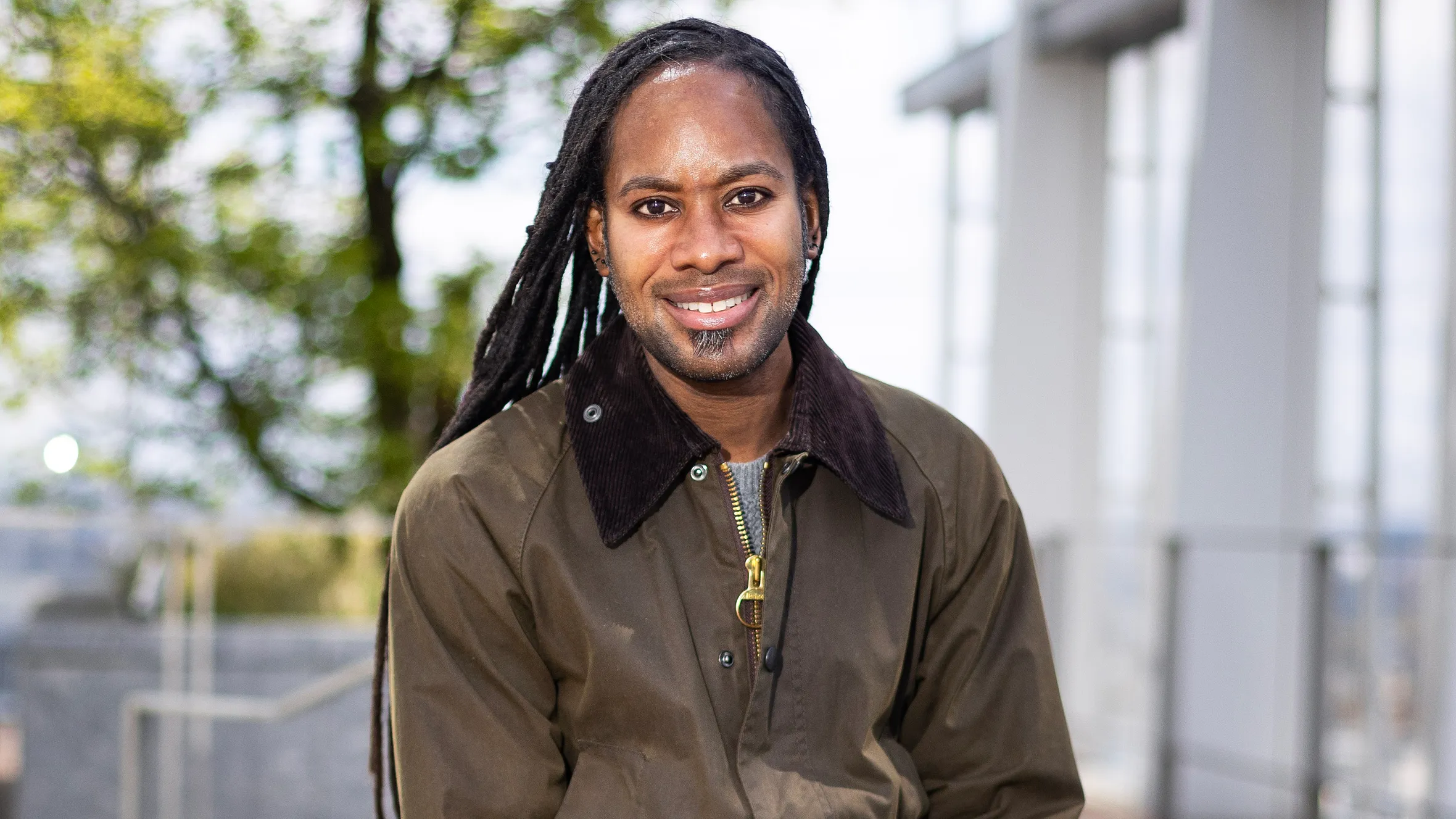
Tributes have come from across British public life following the Jason Arday death, after the former Cambridge professor was found at an address in Battersea, south London, on Friday afternoon. He was 41.
His family, through a statement issued by his publisher Simon & Schuster UK, said they were in shock at losing a man they described as an amazing father, partner, brother, uncle and son. They said a campaign of misinformation had proved too much for him to bear.
A Resignation the Week Before
Arday had stepped down from his position as professor of sociology of education at Cambridge only days earlier, following allegations of plagiarism and questions raised about aspects of his record. He denied the plagiarism claims throughout.
In announcing his departure, he said the personal cost of the scrutiny had become too great. He drew a distinction between ordinary academic criticism, which he accepted as part of the job, and what he had actually experienced — describing relentless accusations, speculation and public commentary that had taken a profound toll on him and on the people close to him.
He was explicit that leaving should not be read as conceding the accusations against him.
Tributes From Cambridge and Government
University of Cambridge vice-chancellor Professor Deborah Prentice said the faculty was desperately saddened by the news and extended sympathies to his family and friends at what she called an incredibly difficult time.
Education Secretary Lucy Powell said she was deeply shocked and saddened, urging people to remember that real individuals with families sit behind stories like this one.
Questions About the Coverage
Several prominent figures went further, directing criticism at how the case had been handled publicly.
London Mayor Sir Sadiq Khan described what Arday endured as unacceptable public hounding and a campaign of abuse, arguing he had been subjected to a form of public shaming that others in comparable positions would not have faced. He called the death a tragedy and said it should serve as a warning.
Shadow communities secretary Sir James Cleverly said he was angered by what happened and stated that a number of people at various academic institutions have serious questions to answer. He wrote that Arday’s entire world had collapsed.
Labour MP Bell Ribeiro-Addy told BBC Newsnight that the volume of media scrutiny directed at an academic was without precedent.
A Conversation on the Final Morning
Professor Simon Baron-Cohen, who directs the Autism Research Centre at Cambridge, said he had spoken with Arday on the morning of his death and that Arday felt unable to leave his home.
Baron-Cohen said Arday had described experiencing a sustained campaign against him over roughly three years, and had told him that they had destroyed his life. He said it was not entirely clear who Arday meant, but believed he was referring to the media.
He described the personal attacks as immense, and said he was not seeking to blame any single outlet. He noted that in the weeks since the resignation he had personally received around a hundred requests to comment on Arday’s life.
Professor of Black Studies Kehinde Andrews, a friend, told Newsnight that Arday had been very down and very upset after resigning, felt there was no way out, had largely stopped leaving the house and had lost a significant amount of weight.
Andrews said the case should prompt reflection on the conditions black academics face within universities.
How the Dispute Began
The controversy started when Nathan Cofnas — an academic who describes himself as a race realist and who was dismissed from his own Cambridge role in 2024 — claimed to have identified numerous instances of plagiarism in Arday’s published work.
Arday acknowledged errors in his output while rejecting the plagiarism characterisation. He said some mistakes in his earlier academic work stemmed from his autism, explaining that he relied on mimicry as a means of processing and organising information. He argued that comparable scrutiny applied to other academics would surface similar issues.
The Investigations
Cambridge initially stated that plagiarism claims concerning Arday’s thesis and certain journal publications had been examined by Liverpool John Moores University and by the journals involved.
Liverpool John Moores, which awarded his doctorate in 2015, concluded that he had not plagiarised.
The Appointment That Made Him Visible
Arday became Cambridge’s youngest ever black professor in 2023, at the age of 37. The appointment was widely celebrated at the time as a marker of progress.
That prominence is inseparable from what followed. Being held up as a symbol places a person under a form of attention that ordinary academics never encounter, and it makes any subsequent challenge to their work a national story rather than a departmental matter.
The Difficult Question Left Behind
There are two things being discussed simultaneously, and they are not the same.
One is whether errors existed in the work and how institutions should investigate such claims. That is a legitimate process question with established procedures.
The other is what happens to a person while that process unfolds in public — the volume, duration and tone of coverage, and whether it bears any proportion to the underlying dispute.
People who knew Arday are arguing that the second question overwhelmed the first, and that the machinery of public scrutiny kept running long after any institutional process could have resolved anything.
That argument will not be settled quickly. But it is now being made by university leaders, MPs and the Mayor of London, which suggests it will not be dropped either.
If you are struggling or in distress, support is available. In the UK, Samaritans can be reached free at any time on 116 123. If you would like help finding services in your own country, I’m glad to point you in the right direction.
Author
-
Lucienne Albrecht is Luxe Chronicle’s wealth and lifestyle editor, celebrated for her elegant perspective on finance, legacy, and global luxury culture. With a flair for blending sophistication with insight, she brings a distinctly feminine voice to the world of high society and wealth.