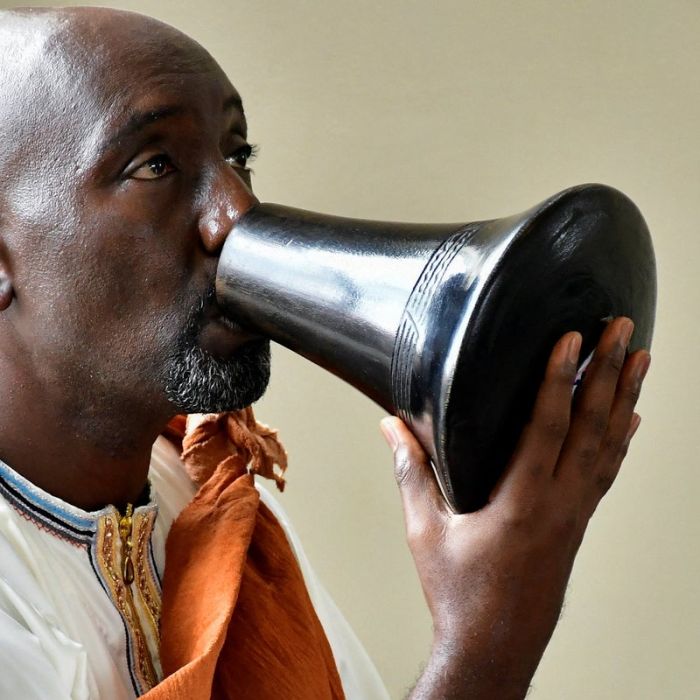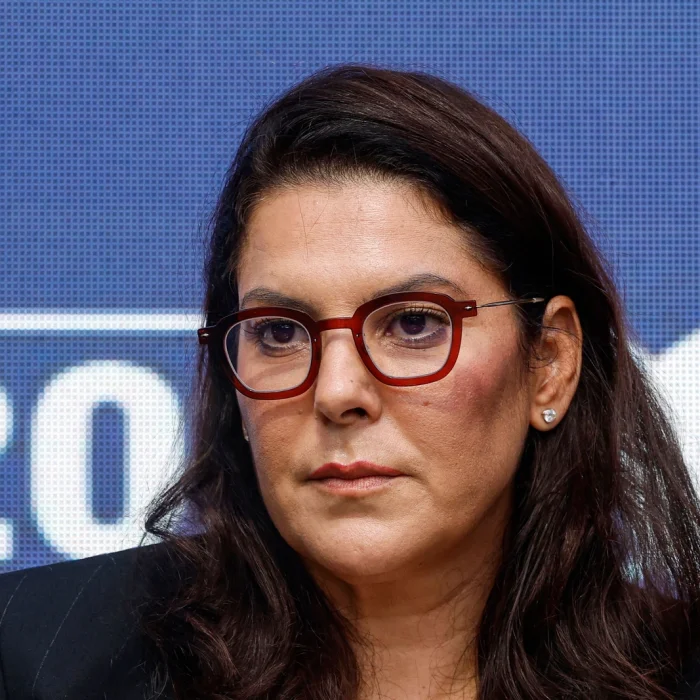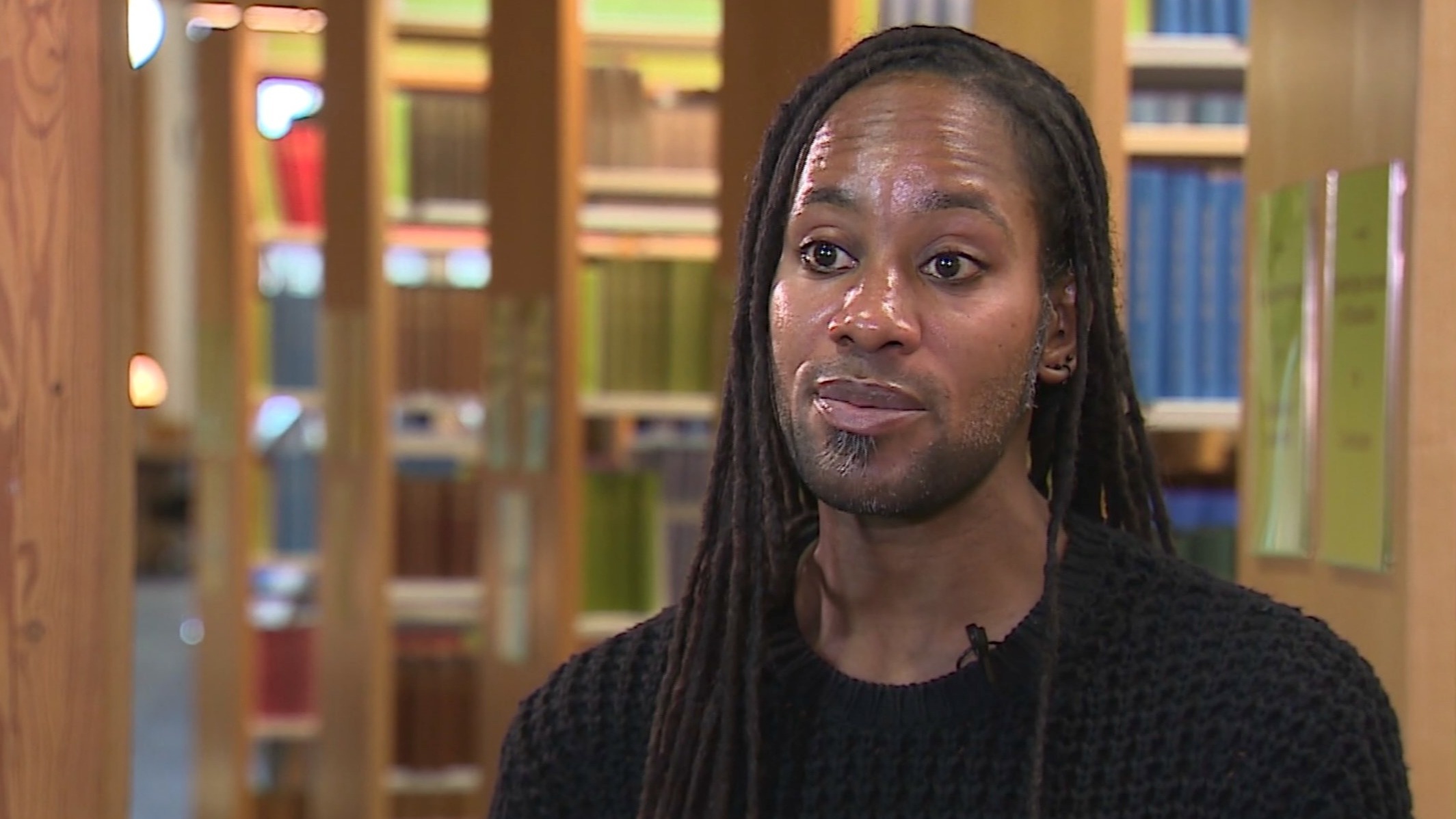
Jason Arday media investigation calls have grown louder after the head of a Cambridge college said the academic endured what he described as a vicious campaign in the press before his death.
Lord Woolley, principal of Homerton College, Cambridge, is now publicly urging that the coverage itself be examined.
What Happened
Arday, 41, was pronounced dead at an address in Battersea, south London, on Friday.
He had resigned the previous week from his post as professor of sociology of education at Cambridge, stepping down amid a dispute over plagiarism allegations.
The university had opened an investigation into his academic qualifications and was separately considering a number of complaints alleging academic misconduct.
The Allegations and the Clearance
The plagiarism claims centred on his doctoral work. The Telegraph reported that analysis of his PhD thesis identified more than 180 passages that were identical or closely similar to another student’s writing.
Liverpool John Moores University, where Arday completed his doctorate, conducted its own investigation and cleared him of wrongdoing. He consistently denied the allegations throughout.
That outcome sits at the heart of Woolley’s argument. In his framing, a man formally exonerated by the institution that awarded his degree was nonetheless subjected to sustained public condemnation.
A Meeting Days Before
Woolley told BBC’s Broadcasting House that he met Arday on Monday alongside several close friends. Among those present were Labour MP Diane Abbott and activist Misan Harriman, both of whom have themselves faced intense press scrutiny.
His account of that gathering was stark. He said Arday used the phrase hounded to death and expressed that he could see no way out. Abbott, Woolley recounted, took his hand and told him they would help him through it.
What struck those present most, according to Woolley, was Arday’s physical state. He described a man reduced to roughly half his body weight and desperate beyond description.
“A Blood Sport”
Woolley repeatedly returned to the same characterisation. He described the treatment as a blood sport rather than legitimate scrutiny, and said the accusations had never involved theft of anything material.
He acknowledged that academia must be rigorous in identifying plagiarism and falsehood. His contention is that what occurred here went well beyond rigour.
He also drew a comparison, noting that questions about research integrity and plagiarism arise regularly, and that a number of individuals have faced such accusations, some with adverse findings against them. None, he argued, experienced anything approaching the intensity directed at Arday.
The Racial Dimension
Woolley placed the episode in a wider context involving black academics in British higher education.
He argued that the entire debate had implicitly positioned black scholars as people who do not belong in senior academic roles, dismissed collectively as diversity, equity and inclusion appointments rather than as qualified professionals.
To illustrate the underlying reality, he cited institutional numbers: of Cambridge’s 975 professors, fewer than 0.5 per cent are black. His conclusion was that no special favours are being extended to black academics entering these institutions.
Arday had been Cambridge’s youngest black professor.
Family and Institutional Response
Arday is survived by his wife and two children. His family paid tribute to him as a gentle man and described him as an outstanding father, partner, brother, uncle and son.
Professor Deborah Prentice, Cambridge University’s vice chancellor, offered her thoughts and deepest condolences to Arday’s family and those close to him.
Andy Burnham, speaking to broadcasters, extended his sympathies and called for a moment of reflection.
The Prime Minister described the situation as a tragedy on multiple levels, with particular thought for those who knew Arday personally. He cautioned against rushing to judgment, suggesting instead that the appropriate response was reflection on how matters reached this point.
A flag was flown at half mast outside Jesus College in Cambridge.
The Questions Now Being Asked
The call for an investigation raises difficult and unresolved issues.
Press scrutiny of academic integrity serves a legitimate function. Research fraud damages public trust and disadvantages honest scholars. Few would argue that allegations of this kind should go unexamined.
The counterargument being made is about proportion and duration rather than principle. When a formal institutional investigation clears someone and coverage continues regardless, the question becomes what purpose that coverage is serving.
There is also the matter of cumulative effect. Individual articles may each be defensible on their own terms while the aggregate produces something no single piece intended.
Whether any formal inquiry follows is unclear. What is certain is that a man is dead, a family is grieving, and a debate about the limits of public scrutiny has been reopened in the harshest possible circumstances.
Author
-
Lucienne Albrecht is Luxe Chronicle’s wealth and lifestyle editor, celebrated for her elegant perspective on finance, legacy, and global luxury culture. With a flair for blending sophistication with insight, she brings a distinctly feminine voice to the world of high society and wealth.