Trump Orders Cutback of US-South Korea Military Drills After Seoul Declines to Join Iran Campaign
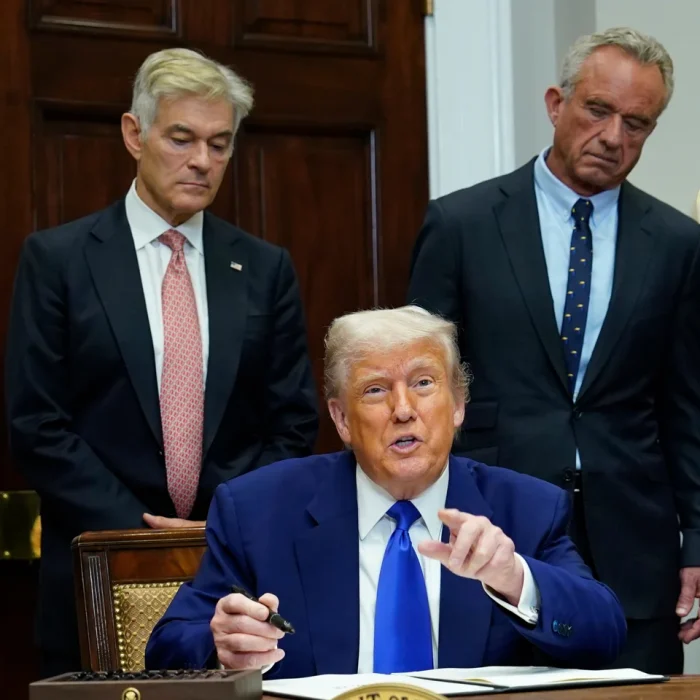
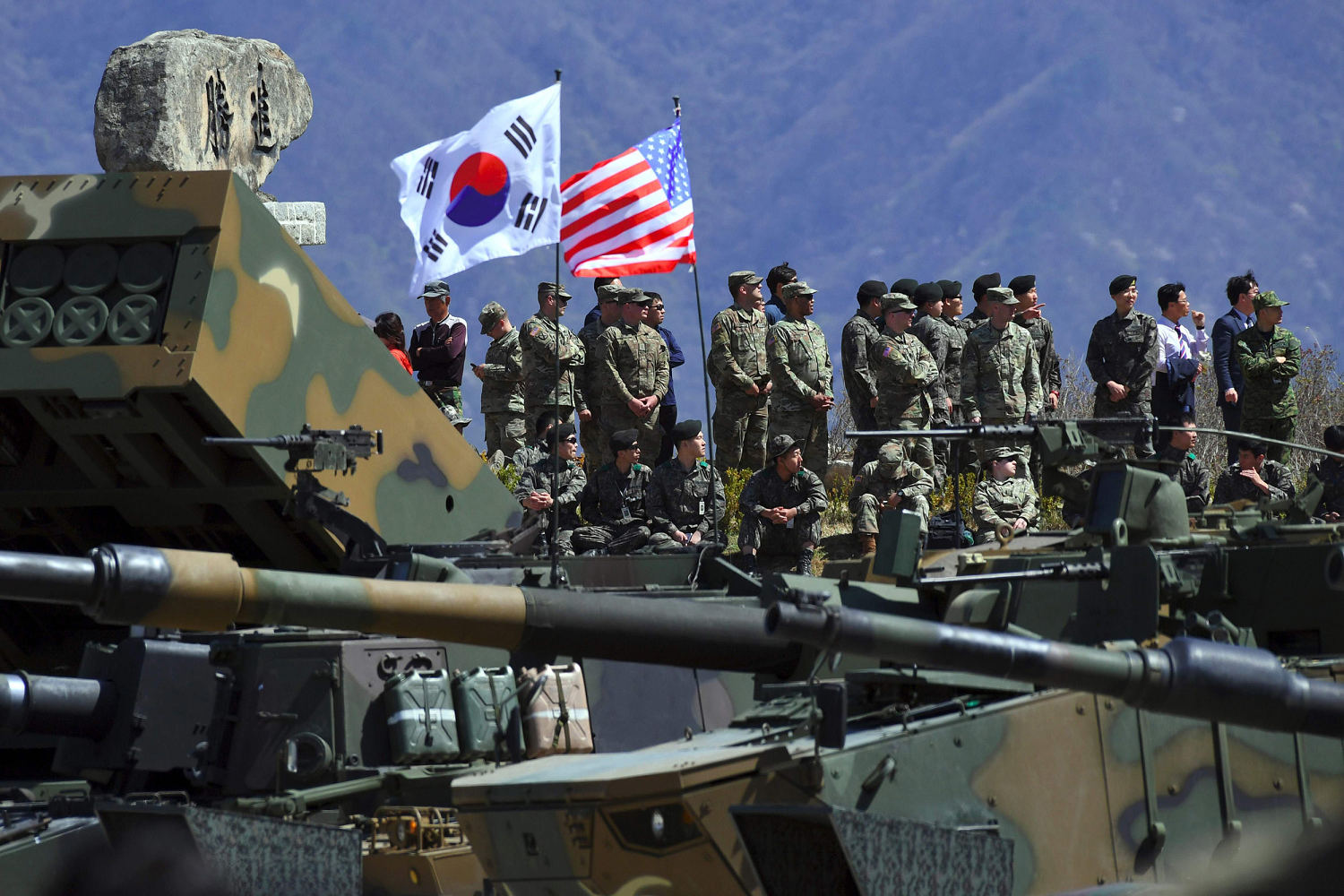
President Donald Trump has directed the Pentagon to significantly scale back the annual US South Korea joint military exercises, tying the decision both to Seoul’s refusal to participate in the Iran campaign and to what he described as an improved relationship with North Korea.
The announcement, delivered through a social media post, arrived on the very day the exercises were scheduled to begin.
The Reasoning Trump Offered
The president raised two objections to the drills. The first was financial, describing the exercises as costly. The second was diplomatic.
According to Trump, the exercises transmit a signal that is entirely inappropriate and hostile toward North Korea. He characterized Pyongyang’s conduct during his time in office as unthreatening and respectful, framing the military drills as an unnecessary provocation directed at a government he believes has behaved reasonably.
Timing constrained his options. Trump acknowledged that cancellation had become impossible at that stage, and said he had therefore instructed Secretary of War Pete Hegseth to substantially reduce the scope of the exercises rather than call them off entirely.
The Iran Connection
The more pointed element of the announcement concerned South Korea’s response to a recent request from Washington.
Trump said he had approached the South Korean president about joining the United States in what he termed the denuclearization of Iran. The answer, according to his account, was a straightforward refusal.
He relayed the response as a two-word rejection, saying Seoul told him no thanks.
That exchange appears to have factored directly into the decision on the exercises, linking a Middle East military campaign to security arrangements on the Korean Peninsula in a way that is unusual in alliance management.
What the Exercises Normally Involve
Annual joint drills between American and South Korean forces have been a fixture of the alliance for decades. They typically involve substantial troop numbers, command-post simulations and field training designed to maintain readiness and interoperability between the two militaries.
North Korea has consistently denounced the exercises as rehearsals for invasion, and Pyongyang has often responded with missile tests or heightened rhetoric during the training periods.
Successive American administrations have generally defended the drills as defensive and essential to deterrence. Trump’s framing departs sharply from that tradition by accepting the premise that the exercises are provocative rather than protective.
Precedent for This Approach
This is not the first time Trump has moved against the exercises. During his earlier engagement with North Korean leader Kim Jong Un, he suspended or reduced joint drills as a gesture intended to support diplomatic momentum, drawing criticism from defense officials who argued that readiness suffers when large-scale training is curtailed.
The current decision follows similar logic, though it adds a new element by explicitly connecting the reduction to a grievance about allied participation in a separate conflict.
Implications for the Alliance
The announcement raises questions that extend well beyond a single training cycle.
Allies typically expect security commitments to remain insulated from disagreements over unrelated military operations. Linking the two suggests a more transactional approach in which support for American initiatives in one theater affects arrangements in another.
For South Korea, which faces an immediate and permanent security challenge across the demilitarized zone, that linkage introduces uncertainty into planning assumptions that have held for generations.
For North Korea, the reduction may be read as a unilateral concession, potentially strengthening Pyongyang’s calculation that pressure and patience yield results without reciprocal steps on its own weapons programs.
Questions Left Unanswered
Several details remain unclear from the announcement itself.
The scale of the reduction has not been specified, leaving open whether it affects troop numbers, the duration of the drills, the types of scenarios rehearsed, or all three. It is also unknown whether South Korean officials were consulted before the decision was made public or learned of it alongside everyone else.
Whether the change applies only to this year’s exercises or signals a longer-term shift in how the alliance conducts training has likewise not been addressed.
The Broader Context
The decision lands during a period of considerable strain in American alliance relationships, with the Iran conflict producing divergent responses among partners who have historically aligned with Washington on major security questions.
South Korea’s refusal reflects a calculation many governments are making about the costs of involvement in that campaign. Trump’s response suggests those calculations will carry consequences.
For now, the exercises will proceed in reduced form, and both Seoul and Pyongyang will be assessing what the change indicates about American commitments on the peninsula going forward.
Author
-
Lucienne Albrecht is Luxe Chronicle’s wealth and lifestyle editor, celebrated for her elegant perspective on finance, legacy, and global luxury culture. With a flair for blending sophistication with insight, she brings a distinctly feminine voice to the world of high society and wealth.