A Penn State fraternity drug ring allegedly moved substantial quantities of cocaine into State College over roughly two years, and prosecutors announced Aug. 17 that 14 people now face charges as a result. Nearly all of them are current or former students at Pennsylvania State University.
The Pennsylvania Attorney General’s Office says the operation ran through members of Delta Upsilon and Sigma Chi. According to prosecutors, the drugs were driven in from Philadelphia and New York between 2023 and 2024, then processed and sold within the campus social scene.
Where the Work Was Done
Investigators concluded that the cutting and packaging happened primarily inside the two fraternity houses, both located off campus.
Attorney General Dave Sunday was specific on that point at a news conference. He said no evidence surfaced of packaging occurring on university property. The preparation took place at the off-campus houses, and the selling happened through personal networks — friend to friend, brother to brother, acquaintance to acquaintance — often at the houses themselves or during parties and social gatherings.
That distribution model helps explain how the operation ran for as long as it did. Sales conducted entirely within a closed social circle leave far fewer openings for outside detection than street-level dealing.
The Two Men at the Top
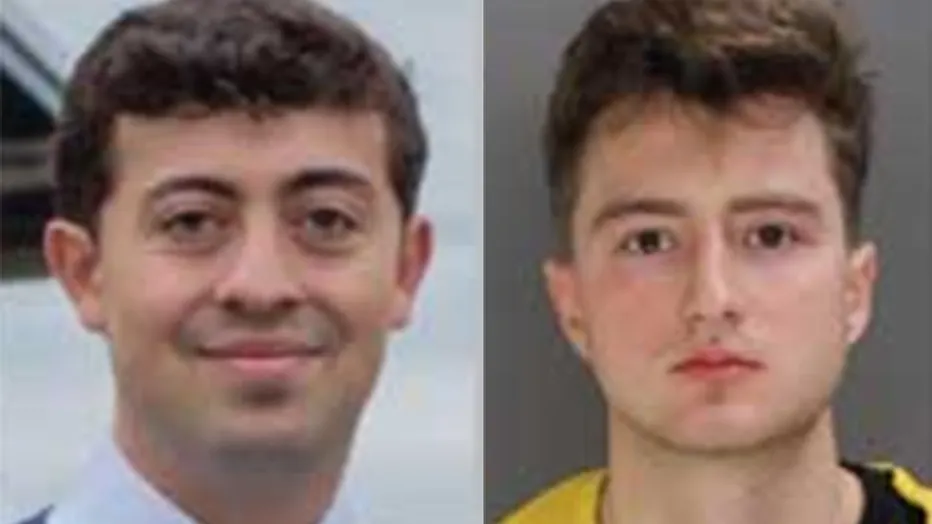
Prosecutors identified Agostino Abbatiello and Thomas Robinson as the primary suppliers, describing both as senior members of the fraternities involved. Sunday placed them at the top of the chain.
The pair allegedly made routine trips to Philadelphia and New York to pick up bulk cocaine before returning it to State College for processing.
Sunday characterized the enterprise as organized and lucrative, built around those two figures along with other fraternity members and pledges.
Pledges and an Ugly Allegation
One detail from the announcement stands apart from the standard trafficking narrative. Sunday said the evidence indicated that for some pledges, cutting and packaging cocaine functioned as a form of initiation into the fraternity.
That framing turns a drug case into something closer to a coercion case. Pledges occupy a position of near-total social dependence during the initiation period, and tasks assigned to them are rarely optional in any meaningful sense.
The university explicitly condemned any hazing connected to the allegations in its response.
Who Faces What
Thirteen of the 14 defendants were Penn State students during or around the period in question, and at least four remain enrolled. The exception is Paul Robinson, father of Thomas Robinson.
The charges break into tiers:
- Abbatiello, Thomas Robinson, Mohammed Hurabi and Lars Zeepvat face felony corrupt organizations counts, conspiracy, dealing in proceeds of unlawful activity and additional related offenses.
- Robert Zanolla is charged with felony conspiracy and criminal use of a communication facility.
- Eight others face misdemeanor counts involving drug possession and paraphernalia.
- Paul Robinson is charged with felony tampering and hindering apprehension.
Prosecutors allege the elder Robinson worked to hide evidence, including a safe holding drugs and cash, and interfered with the investigation.
How Investigators Built the Case
Authorities said they used a combination of methods to trace the operation from acquisition through processing to final sale. Financial patterns played a role as well: many of the transactions were allegedly settled in cash or routed through payment apps.
Digital payment records have become a recurring weakness in cases of this type. Peer-to-peer apps feel casual and private to users, but they generate timestamped, traceable records connecting specific individuals to specific amounts.
The University’s Response
Penn State released a statement the same day saying it was horrified by the allegations against current and former students. The university said it is cooperating with law enforcement and denounced both the alleged criminal conduct and any hazing tied to it.
Delta Upsilon has been placed on interim suspension while the Office of Student Accountability and Conflict Response investigates. The chapter will separately face review under the university’s organizational conduct rules.
Students currently enrolled who have been charged will go through the student conduct process, which operates independently of the criminal case and can result in sanctions regardless of how the courts rule.
The Sigma Chi Complication
The university drew a clear line around one of the two groups. Sigma Chi, it noted, is not a recognized Penn State organization and functions outside university oversight entirely.
That distinction limits what the school can do. Recognized chapters can be suspended, placed on probation or shut down through university channels. Unrecognized groups continue operating as private off-campus entities, answerable to landlords, national organizations and law enforcement — but not to the administration.
It is a gap that has surfaced repeatedly at large universities. When a chapter loses recognition, it often keeps its house, its members and its parties while shedding the supervision that came with official status.
What Happens Next
The criminal cases will proceed through Centre County courts, where the felony corrupt organizations counts carry the most serious exposure. Those charges are designed for coordinated enterprises rather than individual dealers, and they signal how prosecutors intend to frame the case.
All defendants are presumed innocent unless convicted. Meanwhile, the university’s parallel investigation continues, with Delta Upsilon’s status on campus hanging on the outcome.
Author