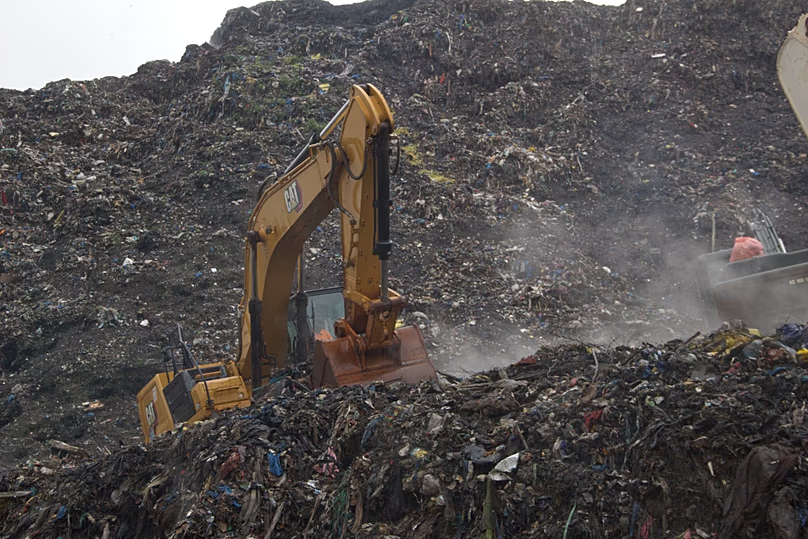
A Guinea landslide waste dump disaster has killed at least 30 people in the capital, Conakry, after heavy overnight rain triggered a collapse that buried tents and makeshift shacks built near the site.
The government confirmed the death toll Sunday, along with six people seriously injured and sixteen others with lighter injuries.
A Disaster Foreshadowed Days Earlier
The tragedy struck less than a week after officials announced plans to shut down the very site that collapsed. On Thursday, Guinea’s minister of territorial administration, Djénabou Touré Camara, said the government would close the landfill because it posed a safety risk and would relocate the waste outside Conakry entirely.
That announcement came too late to prevent Sunday’s disaster, underscoring how quickly dangerous conditions can turn deadly once seasonal rains arrive.
How the Landslide Happened
The collapse occurred around 2 a.m. local time in the Gbessia commune of Conakry, according to a government statement. Heavy rainfall overnight is believed to have destabilized the massive waste mound, sending it down onto nearby dwellings while residents slept.
Witnesses described the scale of the collapse as substantial enough to bury an entire apartment building along with the more fragile makeshift shelters clustered nearby. Rescue crews responded with excavators and other heavy equipment to begin clearing debris and searching for survivors.
A Mother’s Loss
Among those affected was Cire Diallo, a woman who told reporters at the scene that all five of her children were killed in the collapse.
Her words captured the raw scale of personal loss involved: she said she had lost every one of her children, and that placing her trust in God was the only response she had left.
A Recurring Threat in West African Cities
This disaster fits a grim pattern common across parts of West Africa. During the rainy season, landslides and flash floods regularly claim lives in crowded, underdeveloped urban areas where housing has expanded into unstable or hazardous terrain.
Rapid, often unplanned urbanization has pushed informal settlements closer to dangerous sites, including waste dumps, floodplains and unstable slopes, precisely the kind of locations where seasonal rain turns routine infrastructure failures into fatal disasters.
A Country of Contrasts
Guinea’s economic situation adds a stark layer of context to the tragedy. The country holds the world’s largest bauxite reserves and the richest untapped iron ore deposit at Simandou, where a major mining project launched in November.
Yet that mineral wealth has not translated into broad prosperity. According to a World Bank report published in April, roughly 3.7 million of Guinea’s 15.1 million people live on less than $4.20 a day. That gap between resource wealth and everyday poverty helps explain why informal settlements persist in hazardous locations like the Conakry landfill, residents often have few safer alternatives available.
Government Response
Prime Minister Amadou Oury Bah traveled to the landfill Sunday to assess the damage firsthand and oversee the emergency response, according to the government statement.
Officials urged residents to remain calm, show solidarity with one another, and strictly follow instructions from rescue services and relevant authorities as recovery operations continue.
What Comes Next
The immediate priority remains search and rescue, as crews continue working through the debris field in hopes of locating additional survivors or recovering remains.
Longer term, the disaster is likely to intensify pressure on the government to follow through quickly on its relocation plans, not just for this particular site but for similar hazardous waste locations elsewhere in Conakry and other Guinean cities. The timing, a fatal collapse occurring within days of an official pledge to close the site, will likely draw scrutiny over why action wasn’t taken sooner given the known risks tied to the rainy season.
For families like Cire Diallo’s, however, any future policy changes come far too late. The immediate reality is a community grappling with sudden, devastating loss, and a rescue operation still working to determine the full human cost of a disaster that officials themselves had already identified as preventable.
Author