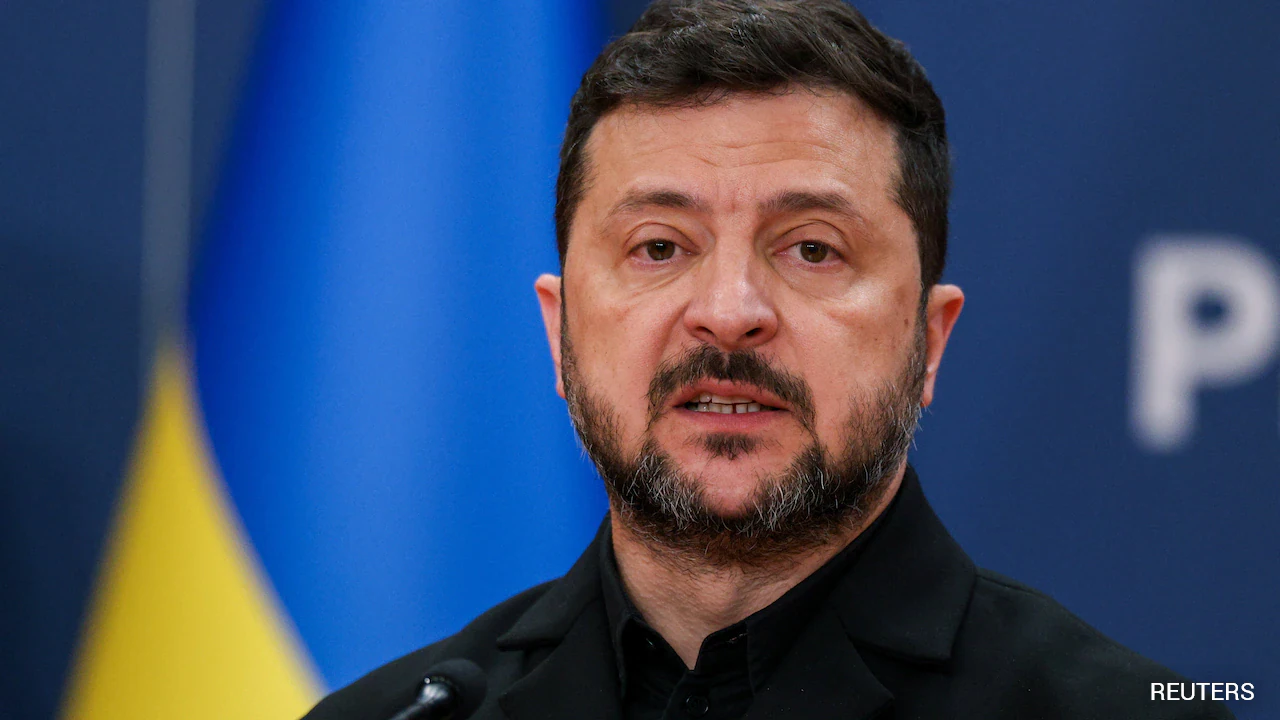
Zelensky wartime elections concerns took center stage this weekend as the Ukrainian president delivered his most forceful rejection yet of calls to hold a vote while the country remains at war with Russia.
Speaking to journalists during a two-hour meeting Saturday, with portions released publicly Sunday, Volodymyr Zelensky argued that proceeding with elections under current conditions would tear the country apart.
Zelensky’s Warning
He described elections held during active conflict as an enormous risk, using vivid language to make his point: he called the prospect a tsunami that would split Ukraine apart rather than a legitimate exercise of democracy.
Pressed further, he framed the stakes starkly, saying that pursuing elections under these circumstances would amount to deliberately destroying the country.
Where the Pressure Is Coming From
The renewed push for elections gained momentum from Mykhailo Fedorov, Zelensky’s former defense minister, who argued in a video posted online last week that democracy cannot be held hostage by Russia.
The relationship between the two men has grown openly adversarial. Zelensky fired Fedorov, once a close and longtime ally, in July following disagreements over how to manage the war effort.
A Leadership Shakeup Behind the Scenes
Zelensky’s term technically expired in May 2024, but he continues serving under wartime rules that suspend elections during martial law, a legal mechanism common in nations facing active invasion.
His political position has grown more complicated recently. He dismissed a senior aide amid a corruption scandal involving members of his office, though Zelensky himself has not been personally implicated in the matter.
For the first time, Zelensky addressed the Fedorov situation directly with journalists Saturday, characterizing his former minister’s recent actions as misguided.
The Syrsky Connection
Zelensky’s comments extended to a related leadership dispute involving former Armed Forces commander-in-chief Gen. Oleksandr Syrsky, whom Zelensky replaced last month following unrest triggered by Fedorov’s earlier removal.
That unrest included significant protests both within the military and on the streets of Kyiv. The underlying tension reflected a generational and philosophical divide: Syrsky was widely regarded as representing more traditional military thinking, while Fedorov had pushed aggressively for adopting modern warfare technology, particularly drone capabilities.
Zelensky insisted that no conflict of that magnitude should exist between senior leaders, while expressing continued personal warmth toward Fedorov despite their professional break. He acknowledged the two had been through significant experiences together, but suggested Fedorov was either drifting toward, or being pushed toward, the wrong path.
A Growing Budget Crisis
Beyond the political turbulence, Zelensky revealed a serious financial strain facing Ukraine’s Ministry of Defense: a $27 billion shortfall.
According to Zelensky, the ministry made an early decision this year to spend funds originally allocated for the second half of the year during the first half instead, directing that money toward drone production and other urgent needs. That decision now requires the government to compensate for and replenish those funds during the remainder of the year.
International Support Continues
Zelensky raised the budget shortfall during a summit with Nordic and Baltic leaders held in Kyiv on Sunday. Leaders from Denmark, Estonia, Finland, Iceland, Latvia, Lithuania, Norway and Sweden reaffirmed their commitment to continued military and financial support for Ukraine.
Adding to the diplomatic activity, U.K. Prime Minister Andy Burnham is scheduled to visit Ukraine Monday, marking his first international trip since taking office. In a statement, Burnham emphasized Britain’s resolve, stating that Russia should have no doubt about continued support and that the U.K. will not back down until a just and lasting peace is achieved.
What Ukrainians Actually Think About Elections
Public opinion data offers useful context for Zelensky’s position. According to the Kyiv International Institute of Sociology’s most recent survey, conducted between July 20 and Aug. 3, 57% of Ukrainians believe elections should wait until after fighting ends. That figure has actually declined from 69% in March, suggesting growing consensus around postponement rather than mounting pressure to proceed.
Experts have long argued that the 2022 Russian invasion, ordered by President Vladimir Putin, effectively eliminated the possibility of holding elections that could be considered safe and secure under current conditions.
Zelensky has repeatedly pushed back against suggestions that he is delaying elections to remain in power, telling reporters Saturday that holding a vote is simply impossible under present circumstances, particularly given that Putin has shown no willingness to accept any ceasefire arrangement.
Looking Ahead to Russian Mobilization
In the same conversation, Zelensky offered a stark prediction about Russia’s military plans. He said he expects Russia to draft an additional 300,000 troops following its own parliamentary elections, scheduled for Sept. 18-20.
He further suggested Russia could conduct additional troop drafts in 2027, with most reinforcements likely directed toward the Donetsk region in eastern Ukraine, where fighting remains ongoing and intense.
What This Means Going Forward
Taken together, Zelensky’s weekend remarks paint a picture of a leader managing simultaneous pressures: internal political fractures over war strategy, a serious defense budget gap, public skepticism about wartime elections, and the looming prospect of renewed Russian mobilization.
How he navigates these overlapping challenges, while maintaining both domestic stability and the continued support of Western allies, will likely shape Ukraine’s trajectory through the coming months of the conflict.
Author